How Hobbies Help Reduce Loneliness in Seniors?
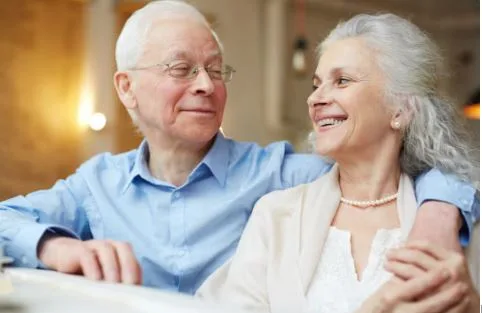
Seniors are truly assets. After spending years serving their families, they get tired and are unable to live a life full of joy, purpose, and wellness.
At that stage of life, they often feel lonely. To overcome this feeling, numerous fun-filled, solo and group hobbies are worth considering.
Hobbies help reduce loneliness in seniors by providing daily structure, fostering new social connections, and restoring a sense of purpose.
Active engagement in leisure activities addresses isolation and loneliness through several distinct pathways. Some of them are mentioned below, so check them out…
1. Building Social Connections
Being a part of hobby-based groups, such as book clubs, community choirs, or gardening circles, places seniors alongside like-minded peers. This natural dynamic does wonders at fostering meaningful friendships and a strong sense of community. As a senior, if you engage in a specific, structured activity to discuss or work on, there will be little to no pressure of small talk. This makes it much easier to form bonds, even for those who might otherwise be introverted.
2. Fostering a Sense of Purpose
Elderly individuals who pursue new skills, such as learning a foreign language, digital photography, or playing an instrument, report that their cognitive abilities are sharpened. At Rivaria El Camino – one of the most well-known assisted living communities – elderly people experience supportive, independent, and fulfilling lifestyles. Successfully completing a task and advancing a skill can boost one’s self-esteem and provide a tangible daily goal. Yes, you heard that right. To put it another way, both of which are powerful antidotes to the stagnation that can cause loneliness.
3. Creating a “State of Flow”
Even if you don’t have a social network, hobbies can considerably reduce feelings of loneliness. When you engage in an immersive activity, whether it’s painting, model building, or intricate crafting, you can reach a state of flow. The moments when elderly people are fully focused on what they enjoy inevitably, time passes pleasantly. This reduces their awareness of being alone.
4. Improving Physical and Mental Health
Hobbies involving physical activities, such as walking, gentle dancing, and yoga, can all reduce stress. Beyond that, they release natural mood-enhancing endorphins. Online, multiple studies, including research from the Harvard Study of Adult Development, indicate that sustained engagement in varied, meaningful activities is directly correlated with a higher quality of life. Not just that, this can improve seniors’ self-reported health and increase lifespan.
Conclusion
Whether through community groups or solo-focused activities that induce a “state of flow,” meaningful pastimes alleviate social isolation and improve overall emotional well-being.
If you’re in your 50s or 60s and want to feel valued, cared for, and connected, explore senior living communities to find the best one, where you can get a sense of belonging and stay socially active. Even if you stay at home, look around at what hobbies other seniors often engage in and how they have improved and enriched their lives.