Roughly 4 million residential window replacements occur across the United States every year as aging home envelopes fail to maintain internal climate control. Most homeowners don’t realize their windows have degraded until utility bills spike during peak weather.
A window unit is an engineered barrier system comprised of glass, gas fills, seals, and frame materials. Over time, physical stress, ultraviolet exposure, and thermal expansion wear down these components. Identifying early symptoms of window degradation helps protect structural integrity, prevent water damage, and reduce heating and cooling energy loss.
The Mechanics of Thermal Envelope Degradation
When glass seals remain intact, insulating glass units contain non-reactive gases like argon or krypton sealed between double or triple panes. Over years of seasonal expansion and contraction, sealants lose flexibility and crack. This breakdown lets atmospheric air and ambient moisture enter the seal chamber.
Once the inert gas escapes, thermal resistance drops dramatically. Homeowners often notice a distinct chill near glass surfaces in winter or excessive solar heat gain in summer. When thermal conductivity increases, smart HVAC units cycle continuously to maintain set temperatures, increasing mechanical wear on furnaces and air conditioners.
Physical draft air currents occur when weatherstripping dries out, shrinks, or detaches from sashes. Placing a hand near frame joints during windy weather reveals whether perimeter seals remain functional.
Visible Indicators of Glass Unit Failure
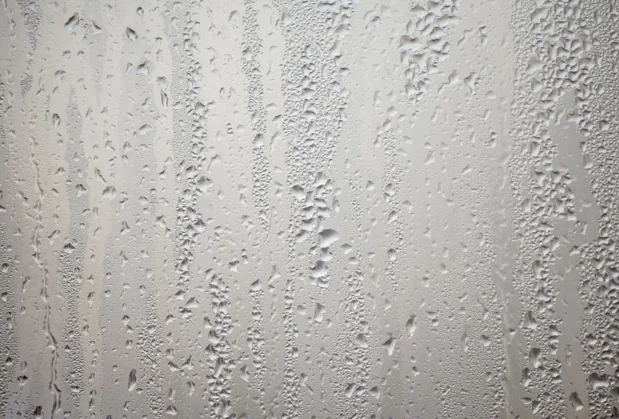
Distinguishing surface condensation from seal failure is essential to diagnosing window health. Interior condensation on the glass surface often stems from high indoor humidity. Condensation trapped inside the sealed glass unit indicates permanent seal failure.
An interior moisture film or cloudy residue between panes means the desiccant material within the spacer bar has reached total saturation. When trapped moisture impairs visibility, the glass unit can no longer deliver its rated U-factor performance.
Homeowners evaluating unit condition in older properties can review technical details themselves or ask experts for help. In the latter case, it’s a good idea to discover more about Best Buy Windows & Siding to understand modern replacement standards and frame technologies via a specialist supplier and fitter. Contacting a specialist as soon as you notice a failed glass unit can prevent all sorts of problems down the line.
Operational friction serves as another clear sign of structural decay. Frame materials shift over decades due to settling, moisture intrusion, and warping. Modern window assemblies should operate smoothly without requiring excessive physical force.
The following signs highlight operational breakdown in residential frame assemblies:
- Sashes binding or sticking inside frame tracks during normal operation
- Hardware locks failing to align correctly without force
- Frame material showing visible rot, soft spots, or paint peeling
Ignoring operational binding often leads to frame warping, leaving perimeter gaps wide open to drafts and pest intrusion.
Acoustic Breakdown and Material Degradation Factors
Double-pane windows with intact gas fills effectively block noise from traffic, lawn equipment, and neighborhood activity. When seals fail and the gas dissipates, acoustic dampening and thermal performance drop. If outdoor noises sound uncomfortably loud inside living spaces, the window assembly has lost structural mass or sealed air-space efficiency.
Frame materials also govern long-term performance lifespan. Single-pane wood frames are vulnerable to moisture decay if sealant coats peel, while early vinyl formulations lack internal reinforcement and warp under intense sunlight exposure. Aluminum frames without thermal breaks conduct outside temperatures straight into interior drywall assemblies.
Updating frame materials and Low-E glass technology cuts heat transfer significantly compared to clear glass units manufactured decades ago. Modern coatings reflect infrared energy away from living spaces while letting visible light pass through unobstructed.
Silent Thermal Drift from Degraded Low-E Coatings and Micro-Fractures
Not every failing window announces its decline through obvious water pooling or severe frame rotting. A subtle performance leak occurs when microscopically thin Low-E metallic oxide layers oxidize and degrade within an older window unit.
When seal integrity fluctuates during intense temperature shifts, microscopic amounts of ambient oxygen enter the pane chamber. This exposure oxidizes the silver or microscopic metal coating on the glass. Solar radiant heat passes straight through instead of bouncing back outside, creating uncomfortable hot spots in west-facing rooms in summer.
Thermal imaging cameras or handheld non-contact infrared thermometers reveal these hidden failures long before visual fogging appears. Reading surface temperature variance exceeding five degrees across the same pane points directly to microscopic seal venting or localized coating breakdown. Catching these early thermal variances gives homeowners the data they need to plan structured envelope upgrades before peak-season utility bills arrive.
Evaluating Repair Options Versus Full Unit Replacement
Some minor window issues don’t require full frame replacement. Replacing worn weatherstripping, adjusting sash hinges, or swapping damaged hardware can restore operation and stop minor air leaks around moving parts.
If glass seals fail, you can sometimes replace only the glass unit if the frame remains square and the structural wood or vinyl shows no decay. However, replacing glass in an old frame leaves aged frame insulation and sash joints untouched.
When wood frames show rot, vinyl tracks crack, or sashes bind permanently, a complete tear-out replacement is necessary. Installing an updated window package ensures proper installation, modern perimeter insulation, and long-term thermal efficiency for the entire home envelope.
Homeowners seeking energy-efficiency improvements can review utility bill patterns alongside physical window inspections to decide whether targeted repairs or full replacements make financial sense. Check out more of our home maintenance posts if you have any other problems with your property that need fixing.