How Hybrid Power Projects Bridge the Gap Between Renewable and Non-renewable Energy Sources
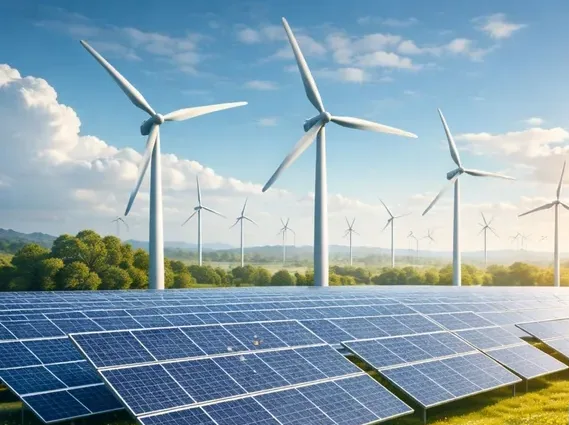
The global demand for electricity continues to grow as industries expand, infrastructure develops, and digital technologies become more widespread. Countries are also increasing the use of cleaner energy to reduce emissions and strengthen long-term energy security. Meeting both objectives requires energy systems that balance reliability with sustainability. Hybrid power projects address this need by combining different energy sources into a single system. As a result, renewable and non-renewable resources can work together to provide a more dependable and balanced energy supply.
Why Renewable and Non-renewable Energy Sources Need to Work Together
Renewable energy comes from naturally replenished sources such as sunlight, wind, water, and biomass. These resources help reduce greenhouse gas emissions and lessen dependence on fossil fuels. However, renewable energy generation depends on environmental conditions. Solar panels produce electricity only when sunlight is available, while wind turbines require suitable wind speeds to operate efficiently.
Non-renewable energy comes from finite resources such as coal, natural gas, and oil. These sources can generate electricity whenever required, making them reliable for meeting continuous demand. However, they produce higher carbon emissions and rely on resources that will eventually become depleted.
Depending entirely on either renewable or conventional energy presents challenges. Renewable energy alone may not always meet demand because of changing weather conditions, while non-renewable energy raises environmental concerns. Combining both creates a practical approach that improves reliability without slowing the transition toward cleaner electricity.
What Are Hybrid Power Projects?
Hybrid power projects combine two or more power generation sources and, in many cases, energy storage technologies within a single system. Their purpose is to improve electricity reliability while making better use of renewable energy whenever it is available.
Many hybrid systems combine renewable energy with battery storage, while others integrate renewable generation with conventional power generation. Energy management systems continuously monitor electricity production and demand to determine the most efficient source of power at any given time. This coordinated operation helps maintain a steady electricity supply while reducing unnecessary fuel consumption.
Depending on project requirements, hybrid systems can be designed in different ways. Common configurations include solar with battery storage, wind and solar, or renewable energy paired with natural gas generation to provide backup during periods of lower renewable output.
How Hybrid Power Projects Maintain a Stable Power Supply
One of the biggest challenges in renewable energy generation is variability. Electricity production changes throughout the day because sunlight, wind, and seasonal conditions naturally fluctuate. At the same time, electricity demand continues regardless of weather conditions.
Hybrid power projects solve this challenge by allowing multiple energy sources to complement one another. When renewable generation decreases, battery storage or conventional generation supplies additional electricity to maintain uninterrupted service. When renewable output increases again, the energy management system automatically shifts to maximize the use of clean energy.
Advanced monitoring and control technologies make this possible by balancing electricity supply and demand in real time. These systems continuously evaluate generation levels, storage capacity, and consumption patterns to ensure stable and efficient operation.
Where Hybrid Power Projects Are Making the Biggest Impact
Hybrid power projects can support different sectors because they adapt to varying operational and energy requirements. Some of the most common applications include:
- Utility-scale power generation: Large electricity providers use hybrid systems to strengthen grid stability while increasing renewable energy capacity and reducing dependence on conventional generation.
- Industrial facilities: Manufacturing plants, processing units, and heavy industries benefit from reliable electricity that minimizes production interruptions and improves operational efficiency.
- Remote and rural communities: Areas with limited access to the main electricity grid can combine renewable energy with storage or backup generation to improve energy availability while reducing fuel transportation costs.
- Commercial campuses: Business parks, office complexes, and large commercial facilities use hybrid systems to improve energy reliability and support long-term operational planning.
- Healthcare and educational institutions: Hospitals, universities, and research centers require continuous electricity for critical operations, making hybrid systems a practical solution for dependable power.
These applications demonstrate that hybrid power projects can support reliable electricity generation across diverse operating environments while increasing the contribution of cleaner energy sources.
Factors That Determine the Success of a Hybrid Power Project
The performance of a hybrid power project depends on several technical and operational considerations. The most important factors include:
- Resource availability: Local solar radiation, wind conditions, water availability, or other renewable energy resources influence the amount of clean electricity the system can generate.
- Energy demand patterns: Understanding when electricity consumption rises and falls helps determine the right combination of renewable generation, storage, and backup power.
- Battery storage capacity: Properly sized battery systems improve energy availability by storing excess electricity for use when renewable generation declines.
- Grid connectivity: Grid-connected and off-grid projects require different operating strategies, making system design an important planning consideration.
- Monitoring and maintenance: Regular inspections, performance monitoring, and preventive maintenance help maintain efficient operation throughout the project’s life cycle.
Careful planning and ongoing system management allow hybrid power projects to deliver dependable performance while adapting to changing energy requirements.
Why Hybrid Power Projects Support the Energy Transition
Hybrid power projects provide a practical way to increase clean energy adoption without compromising electricity reliability. Instead of replacing conventional power immediately, they allow renewable energy to expand alongside existing infrastructure. This gradual approach supports energy security while reducing dependence on fossil fuels over time.
Advances in battery storage, digital monitoring, and energy management technologies continue to improve the performance of hybrid systems. As these technologies continue to evolve, hybrid projects are expected to become increasingly important in national and regional energy strategies.
Companies such as Hero Future Energies are contributing to the development of hybrid energy solutions that support cleaner electricity generation. Their work reflects a broader industry effort to strengthen the integration of renewable and non-renewable resources to meet growing energy demand while supporting a more resilient power system.
Conclusion
Hybrid power projects demonstrate that reliable electricity and cleaner energy goals can progress together. By combining renewable generation with energy storage or conventional power sources, these systems overcome many of the limitations associated with relying on a single source of energy. They improve reliability, support greater use of renewable electricity, and help meet growing demand across industries and communities. As energy systems continue to evolve, hybrid power projects are expected to remain an important part of building a stable, efficient, and more sustainable energy future.