
How Localised Early Education Fosters Social Success for Young Children
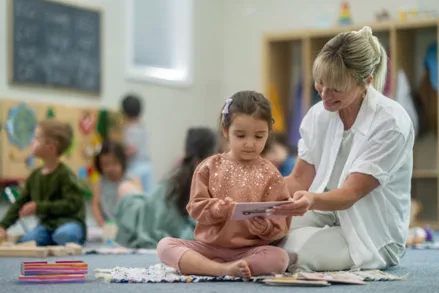
The early years of a child’s life are widely recognised as the most critical period for cognitive and social development. For modern working parents, choosing the right environment for this development is a major decision. Families often weigh the differences between standard daycare vs. early childhood education to determine which is best for their child. While standard supervision keeps children safe, a structured early learning environment focuses on social-emotional growth, school readiness, and lifelong cognitive benefits.
Thanks to recent policy shifts in 2026, such as the Australian Government’s new Three Day Guarantee reform to the Child Care Subsidy, families now have better access to consistent, subsidised care. Furthermore, with the maximum subsidy rate extended to cover more middle-income families, the financial barriers to high-quality early education have significantly decreased. This shift allows parents to focus less on simply finding affordable supervision and more on finding a centre that actively integrates their child into the local community.
Building Neighbourhood Bonds Early On
When parents choose an early learning centre close to home, they are doing more than just simplifying their morning commute. They are helping their children establish roots. A community-based approach allows young learners to interact with peers from their own suburb, forming friendships that will likely carry over into local primary schools.
For example, parents in Western Sydney looking for a community-focused daycare Granville are actively setting their children up to form bonds with neighbourhood peers. These early friendships provide a crucial sense of continuity. The Australian Children’s Education and Care Quality Authority heavily prioritises these transitions. When local centres collaborate with nearby primary schools, children can move into kindergarten alongside familiar faces, which significantly reduces separation anxiety and builds immediate confidence.
National data tracked by the Australian Early Development Census consistently demonstrates that regular participation in high-quality, community-integrated early childhood education actively mitigates developmental vulnerability. Children who feel connected to their physical surroundings simply show greater resilience when facing new academic or social challenges.
The Social and Emotional Benefits of Community Integration
Industry frameworks, including Version 2.0 of the Early Years Learning Framework, explicitly highlight the importance of supporting children to become active and informed members of their communities. This localised focus has immediate and measurable impacts on a child’s emotional wellbeing.
According to the NSW Department of Education, early learning environments that foster strong community connections help children thrive by developing a powerful sense of self and belonging. When educators build culturally safe and inclusive programs that reflect the local area, children feel far more secure. This underlying security empowers them to take healthy social risks, such as initiating play with a new friend, sharing toys, or speaking up during group activities.
Real-World Experiences That Shape Development
A truly localised early education program extends well beyond the walls of the classroom. High-quality centres actively integrate the surrounding neighbourhood into their daily programming. This hands-on approach helps toddlers physically map their world and understand various social roles.
Some of the most effective community-integrated learning experiences include:
- Collaborations with local figures: Many centres partner with local Aboriginal Elders to introduce children to native plant textures and traditional stories, fulfilling mandates for localised First Nations perspectives.
- Neighbourhood excursions: Supervised walking trips to community gardens, local bakeries, or the post office allow children to observe and practice everyday social interactions in a real-world setting.
- Community incursions: Visits from local emergency workers, such as police or the fire brigade, provide crucial safety knowledge in a familiar and non-threatening environment.
- Intergenerational initiatives: Organised visits to local nursing homes build empathy, boost social confidence, and bridge the social gap between generations.
Ultimately, early childhood education is about much more than minding children while parents work. It is about laying the groundwork for a successful, socially engaged life. By choosing a centre that values neighbourhood ties and active community participation, parents give their children the tools they need to navigate the world with empathy and confidence. When young learners feel connected to their local environment, they do not just learn about the community around them. They discover their own unique place within it.