How Malaysian Businesses Use Accounting Software in Daily Operations
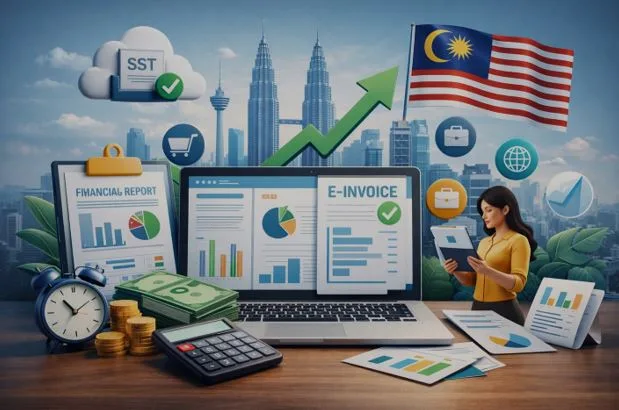
Accounting software becomes easier to understand when you connect it to the day-to-day challenges businesses face in Malaysia. While the core purpose stays the same, local companies often need stronger control over invoicing, cash flow, tax records, and multi-location reporting. This is also why many businesses now compare different automated accounting software options before choosing the right automated accounting system Malaysia for their needs.
To better illustrate these advantages, we will now look at how accounting software specifically addresses the unique operational and financial needs of key business sectors in Malaysia.
Benefits for Retail Businesses
A retail business in Malaysia, for example, may process a high volume of daily transactions across physical stores, online channels, and marketplaces. When sales records, supplier bills, and bank transactions are still handled manually, finance teams often struggle to close accounts quickly and reconcile payments accurately. Accounting software helps by centralising sales data, tracking inventory-related costs, and generating reports faster, so management can review performance without waiting too long for month-end updates.
Solutions for Wholesale and Distribution Businesses
Wholesale and distribution businesses face a different pressure. Many of them deal with frequent stock movement, customer credit terms, supplier invoices, and branch-level operations at the same time. In Malaysia, this often creates cash flow pressure because collections may come in later while supplier obligations still need to be paid on time. With accounting software, businesses can track receivables and payables more clearly, monitor outstanding balances, and improve visibility across purchasing, inventory, and financial reporting.
Cost Control in Manufacturing Companies
Manufacturing companies in Malaysia usually need tighter cost control because raw material prices, production overhead, and operating expenses can shift over time. If the company still relies on spreadsheets, management may find it difficult to see the true cost of production, compare actual spending against budget, or identify which products are affecting margins. Accounting software makes this easier by organising production-related expenses, supporting cost allocation, and giving decision-makers a clearer picture of profitability.
Practical Advantages for Service-Based Businesses
Service-based businesses also benefit in a practical way. Agencies, consultants, IT firms, and professional service providers often manage project fees, recurring invoices, and client payment schedules at the same time. Without a proper system, billing delays, missed follow-ups, and inconsistent expense records can slowly weaken cash flow. Accounting software helps these businesses keep invoicing organised, monitor unpaid bills more closely, and prepare financial reports with less manual effort.
Relevance in the Malaysian Context: Compliance and Cash Flow
The Malaysian context makes these benefits even more relevant. Businesses are not only trying to improve efficiency, but also preparing for stronger digital compliance expectations. Since Malaysia’s e-Invoice framework continues to push companies toward more structured financial records, many business owners now see an automated accounting system Malaysia solution as part of their broader compliance and reporting strategy. At the same time, many SMEs still face longstanding cash flow pressure, which means slow invoicing, weak receivables tracking, and delayed reporting can quickly become bigger financial problems.
These examples show that accounting software is not limited to one type of business. Instead, it helps Malaysian companies reduce manual work, improve financial visibility, and respond faster to compliance and cash flow demands. Because of that, businesses should choose software based not only on general features, but also on how well it fits their industry workflow and local reporting requirements.
Conclusion
Accounting software is a crucial tool for Malaysian businesses navigating complex operational and financial challenges. By centralizing data and automating processes, it helps companies across various sectors from high-volume retail and logistics to cost-sensitive manufacturing and service-based agencies to gain stronger control over their finances.
Ultimately, implementing the right automated accounting system enables Malaysian companies to reduce manual effort, enhance financial visibility, and strategically meet critical local demands for compliance (like the e-Invoice framework) and sustained cash flow management.
Selecting a solution should be based on how well it aligns with a specific industry’s workflow and reporting needs.