How Medical Silicone Tube Is Used in Modern Healthcare
Introduction
Modern healthcare depends on many tools that help doctors, nurses, and patients receive safe and effective care. Some of these tools are large and complex, while others are small but play an important role. Medical tubing is one example. It is used in many healthcare devices and systems to move fluids, gases, and other materials safely.
Among the different types of tubing available today, medical silicone tubing is widely valued for its flexibility, strength, and clean surface. Silicone can handle a wide range of temperatures and can be made for different medical applications. From hospital equipment to laboratory systems, a medical silicone tube can support many important healthcare processes.
This article explains how silicone tubing is used in modern healthcare, its main benefits, common applications, and what to consider when selecting the right type.
What Is Medical Silicone Tubing?
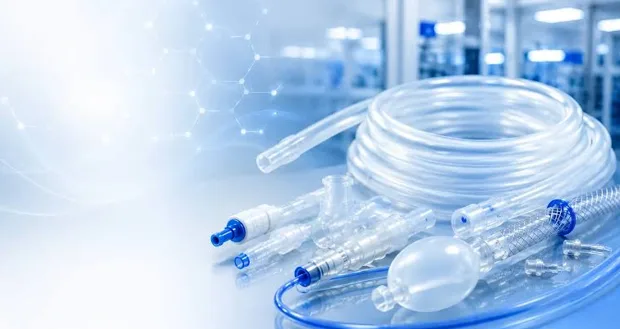
Medical silicone tubing is a flexible tube made from silicone that is designed for use in healthcare and medical environments. Silicone is a synthetic material known for its flexibility, durability, and ability to remain stable under different conditions.
Unlike ordinary industrial tubing, medical grade tubing is produced under controlled conditions and may be designed to meet specific medical or regulatory requirements. Depending on its intended use, it can be manufactured in different sizes, wall thicknesses, shapes, and levels of flexibility.
The tube may be used to transport liquids, gases, medicines, or bodily fluids. Its smooth inner surface can also help support efficient fluid movement and easier cleaning in suitable applications.
Why Silicone Is Useful in Healthcare
Healthcare environments require materials that are dependable and easy to work with. Silicone offers several properties that make it useful for medical tubing.
One major benefit is flexibility. A silicone tube can often bend around equipment or fit into compact medical devices without easily becoming damaged. This is useful when tubing needs to follow a particular path.
Silicone also performs well across a broad temperature range. Certain medical silicone products can withstand sterilization processes, depending on their design and specifications. This makes them useful for equipment that must be cleaned or sterilized regularly.
Another important feature is durability. High-quality silicone tubing can resist cracking and maintain its shape during repeated use. It can also be made with smooth surfaces that support cleaning and handling.
Common Uses of Medical Silicone Tube
A medical silicone tube can be found in many types of healthcare equipment. One common use is fluid transfer. Tubing may help move liquids between containers, machines, or other parts of a medical system.
Silicone tubes are also used in respiratory equipment. Some breathing and oxygen-related devices require flexible tubing to move air or gases. The exact type of tube depends on the equipment and application.
Another important use is in feeding systems. Certain medical feeding devices use flexible tubing to deliver nutrition to patients. Tubing designed for these applications must meet the required safety and performance standards.
Silicone tubing can also be used in drainage systems, pumps, laboratory equipment, and specialized medical devices. Its flexibility makes it suitable for systems where rigid pipes would be difficult to install or use.
Medical Silicone Tubing in Fluid Management
Fluid management is an important part of healthcare. Hospitals and medical facilities use equipment to move, collect, measure, or deliver fluids. Tubing is often a key part of these systems.
For example, pumps may use flexible tubing to move fluids through a controlled path. Silicone is useful in some pump systems because it can flex repeatedly while maintaining its basic structure.
The smooth surface of properly manufactured medical grade tubing can also help reduce areas where material may collect. However, the correct tubing must always be selected based on the specific fluid, pressure, temperature, and medical application.
Different healthcare systems have different requirements. A tube that works well for one application may not be suitable for another. Manufacturers therefore offer many silicone tubing options with different sizes and performance characteristics.
Use in Respiratory and Breathing Equipment
Breathing support is another area where flexible tubing is important. Medical devices may need to transport air, oxygen, or other gases between different components.
Silicone is often considered for these applications because of its flexibility and temperature resistance. A tube can be designed to bend without taking up too much space, which can help medical equipment remain compact and practical.
In respiratory systems, tubing performance can affect how air or gas moves through the device. For this reason, healthcare equipment manufacturers must choose tubing that matches the required flow, pressure, flexibility, and connection type.
Proper material selection is especially important when tubing comes into contact with patients or is used in critical equipment.
Role in Laboratory and Diagnostic Equipment
Medical silicone tubing is not limited to hospitals and patient-care devices. It also has a role in laboratories and diagnostic equipment.
Laboratories often use pumps, analyzers, and fluid-handling systems that require small tubes. These systems may need to move samples, chemicals, or other liquids in a controlled manner.
A flexible silicone tube can make equipment easier to design because it can be routed through small spaces. Its durability can also support repeated operation in suitable systems.
In diagnostic equipment, accuracy and cleanliness are important. The tubing selected for a device must match the system’s technical and safety requirements.
Benefits of Using Medical Grade Tubing
There are several reasons why healthcare manufacturers may choose medical grade tubing for their products. First, medical-grade materials are developed for applications where material quality and consistency are important.
Silicone tubing can offer excellent flexibility compared with many rigid materials. This allows designers to create equipment with movable or curved fluid paths.
It can also provide good resistance to many environmental conditions. Depending on the formulation, silicone can handle heat, moisture, and repeated cleaning processes.
Another benefit is its availability in many designs. Manufacturers can produce silicone tubes with different internal diameters, outer diameters, wall thicknesses, lengths, and levels of firmness. This makes it easier to find a tube for a specific device.
However, medical-grade does not mean that every silicone tube is suitable for every medical application. The tubing must meet the requirements of the final device and its intended use.
How to Choose the Right Silicone Tubing
Choosing the correct medical silicone tubing requires careful attention to the application. One of the first factors to consider is tube size. The inside diameter affects how much fluid or gas can move through the tube.
Pressure is another key factor. Some systems require tubing that can handle higher pressure, while others operate at very low pressure.
Temperature should also be considered. If tubing will be exposed to heat, sterilization, or cold conditions, its temperature range should match the application.
Chemical compatibility is equally important. The tube must be able to work safely with the fluid or substance being transported.
Manufacturers should also consider flexibility, transparency, hardness, connection methods, cleaning requirements, and applicable standards. Working with a reliable supplier can help ensure that the selected tube meets the technical needs of the device.
The Future of Medical Silicone Tubing
Healthcare technology continues to develop, and medical tubing is evolving with it. New medical devices are becoming smaller, more portable, and more advanced. These changes create demand for tubing that can fit into compact systems while still providing reliable performance.
Manufacturers are also working on improved materials, manufacturing methods, and customized tubing designs. These developments can help medical equipment makers create products that are easier to use and maintain.
As healthcare systems continue to adopt advanced devices, flexible tubing will remain an important component in many fluid and gas management systems.
Conclusion
Medical tubing may look simple, but it performs important jobs in modern healthcare. From fluid transfer and feeding systems to respiratory equipment, laboratory devices, and specialized machines, tubing helps medical systems operate efficiently.
Medical silicone tubing is especially useful because of its flexibility, durability, temperature performance, and range of available designs. A medical silicone tube can be customized for many applications, while medical grade tubing can provide material options designed for demanding healthcare environments.
The right tubing should always be selected according to the application’s pressure, temperature, fluid compatibility, size, sterilization needs, and safety requirements. With careful selection and quality manufacturing, silicone tubing can continue to support safer and more reliable medical technology.