How Modern Households Can Build Better Drinking Water Habits
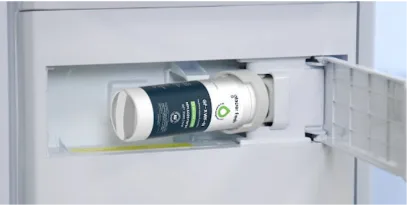
Drinking enough water is an important part of maintaining a balanced daily routine. Whether people are working from home, preparing meals, exercising, or managing busy family schedules, convenient access to drinking water can make hydration easier. Modern refrigerators with built-in water dispensers provide a practical way to keep chilled water available throughout the day. Maintaining a compatible ge mwf water filter can also help households manage selected water quality concerns while supporting the regular use of their refrigerator’s filtration system.
Make Clean Drinking Water Easily Accessible
One of the simplest ways to encourage better drinking habits is to make water convenient to access.
When drinking water is readily available, family members may find it easier to choose water throughout the day instead of relying exclusively on sugary beverages. A refrigerator dispenser can provide chilled water without requiring separate countertop equipment or frequent trips to another room.
For households using compatible GE appliances, a suitable ge xwfe water filter can help maintain the refrigerator’s intended filtration system when installed and replaced according to the manufacturer’s instructions.
Families can also keep reusable water bottles in convenient locations, such as the kitchen, office, or refrigerator. This simple arrangement makes it easier to remember to drink water during daily activities.
Accessibility is particularly useful in busy households where people have different schedules and hydration needs.
Understand What Refrigerator Water Filters Actually Do
Refrigerator water filters are designed to reduce specific substances as water passes through their filtration media.
Many cartridges use activated carbon to reduce chlorine taste and odor. Other filters may include additional materials designed to address particular contaminants.
However, filtration performance varies between products. Homeowners should review the manufacturer’s specifications and any relevant independent certification before choosing a replacement.
It is also important to understand that a refrigerator filter is not automatically a complete water purification system. Standard carbon filters may not remove dissolved salts, all microorganisms, or every chemical substance.
If a household has concerns about a particular contaminant, water testing can help identify the issue and determine whether additional treatment is necessary.
Understanding these limitations allows consumers to make informed decisions rather than relying on broad claims about filtered water.
Develop a Consistent Refrigerator Filter Replacement Routine
A refrigerator filtration system requires regular attention to maintain its intended performance.
Every cartridge has a rated capacity and recommended replacement interval. Many refrigerator filters are designed for approximately six months of use, but the exact schedule depends on the product and household water consumption.
Families that use their refrigerator dispenser frequently may reach the filter’s rated capacity sooner than households with lower consumption.
An easy way to manage replacement is to record the installation date whenever a new cartridge is fitted. A calendar notification can serve as a reminder when the recommended service period approaches.
If the refrigerator includes a filter status indicator, homeowners should monitor it according to the appliance instructions. However, the indicator should be considered alongside the filter’s actual rated capacity and replacement guidance.
Encourage Family Members to Drink More Water
Healthy drinking habits are easier to maintain when they become part of everyday family routines.
Parents can encourage children to drink water by keeping age-appropriate bottles accessible and offering water regularly during meals and activities.
Adults can also develop simple habits, such as drinking a glass of water after waking up, keeping a bottle nearby while working, and choosing water with meals.
These practices do not need to involve strict schedules or complicated targets. Individual fluid requirements vary according to factors such as age, activity, climate, and health conditions.
The goal is to make water a convenient and familiar part of daily life rather than treating hydration as an occasional task.
Keep Water Dispensers and Containers Clean
Maintaining clean drinking water equipment is another important household responsibility.
Reusable bottles should be washed regularly, particularly when they are used throughout the day. Bottles with removable lids, straws, or narrow openings may require extra attention because moisture and residue can collect in less accessible areas.
Refrigerator dispensers should also be cleaned according to the manufacturer’s instructions. Wipe accessible surfaces and pay attention to areas around the water outlet and dispenser controls.
The drip tray should be removed and cleaned periodically if the appliance design allows it. This helps prevent the accumulation of water and residue.
For refrigerators with ice dispensers, follow the recommended cleaning procedure for the ice storage container. Avoid using cleaning chemicals that are not approved for food-contact surfaces.
Reduce Dependence on Single-Use Plastic Bottles
Households looking to reduce everyday waste can consider using reusable drinking bottles.
Single-use plastic bottles can create unnecessary packaging waste when purchased frequently. Reusable alternatives provide a practical option for carrying drinking water to work, school, or outdoor activities.
A refrigerator dispenser can make refilling reusable containers convenient, particularly when the appliance provides chilled filtered water.
However, the environmental impact of reusable bottles depends on how they are produced, maintained, and used. Choosing a durable bottle and washing it properly can help extend its useful life.
Families should also follow local recycling guidelines for packaging and replace damaged containers when necessary.
Understand the Importance of Water Source Quality
A refrigerator filter is only one part of a household drinking water arrangement. The quality of incoming water also plays an important role.
Municipal water systems generally use treatment processes designed to meet applicable drinking water standards. Private wells and other independent sources may require additional monitoring and testing.
Water characteristics can vary according to location, plumbing conditions, and the original source. A change in taste, color, or odor may justify further investigation, particularly if it appears suddenly.
Homeowners who rely on private water supplies should follow appropriate testing recommendations. Households using municipal supplies can review available water quality reports from their local provider.
If testing identifies a specific concern, the treatment system should be selected according to that result rather than assuming that an ordinary refrigerator cartridge will address every issue.
Make Informed Decisions When Purchasing Replacement Filters
Choosing a replacement filter should involve more than comparing prices.
Start by identifying the exact refrigerator model and checking the required cartridge designation. GE refrigerators use several filter types, including MWF, XWF, XWFE, and RPWFE, which have different compatibility requirements.
Review the product’s rated capacity, replacement interval, installation instructions, and documented filtration claims.
Certification information can also help consumers compare products. NSF/ANSI 42 relates to aesthetic effects such as chlorine taste and odor reduction, while NSF/ANSI 53 covers certain health-related contaminant reduction claims.
Check the specific certification and performance claims for the cartridge being considered. Do not assume that all products meet the same standards or reduce identical substances.
Create a Practical Daily Hydration Station
A simple hydration station can help organize drinking water supplies for the entire household.
Choose a convenient location near the kitchen or refrigerator where clean reusable bottles and drinking glasses can be stored. Keep the area organized and make sure containers are washed and dried properly.
Families can also prepare chilled water in reusable pitchers when additional convenience is needed. Store water in clean, covered containers and follow appropriate food safety practices.
For busy mornings, having bottles ready for school or work can reduce the temptation to skip drinking water during the day.
These small organizational changes can make healthy routines easier to maintain without requiring expensive equipment or complicated planning.
Conclusion
Better household drinking water habits begin with convenient access, clean containers, and consistent maintenance of available filtration equipment. Refrigerator water dispensers can make everyday hydration easier, while compatible replacement cartridges help maintain the filtration system’s intended performance. Homeowners should understand the limitations of their filters, check water quality when necessary, and replace cartridges according to manufacturer recommendations. By combining these practices with reusable bottles and simple daily routines, families can create a more organized and practical approach to drinking water at home.