How Modern Technology Is Transforming Outdoor Hobbies and Recreational Exploration
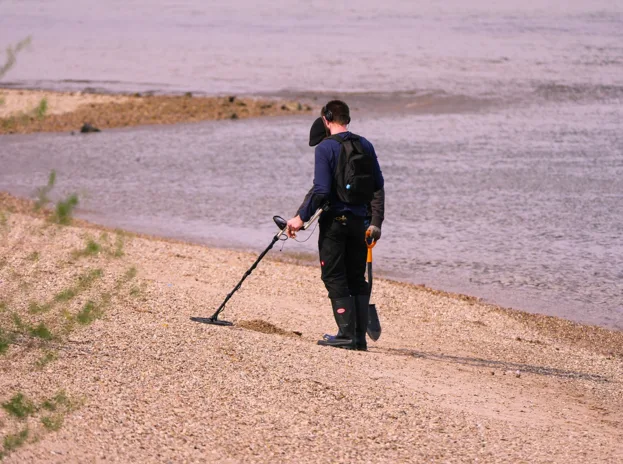
Modern technology can help you navigate a trail, interpret a buried target, recognize a bird you cannot see and much more. The best tools make outdoor hobbies more rewarding without replacing the skills that make them enjoyable.
From GPS to machine learning, several technologies have changed how people explore outdoors. Each offers a different benefit, whether you want to plan a more flexible hike or photograph the wildlife beneath the water’s surface.
GPS and Digital Mapping Bring Modern Tech to Hiking
GPS positioning helps hikers establish where they are, while digital mapping puts that location into a useful visual context. Together, the technologies make it easier to follow routes and understand how nearby trails connect.
A position marker alone cannot tell you which path suits your plans. Digital maps add the surrounding information you need to compare routes, identify junctions and prepare for an unfamiliar area.
Apple Maps features, for instance, include national park hikes, custom walking routes and offline access. For recreational hikers, those features support more flexible planning before departure and access to downloaded information beyond cellular coverage.
You might build a short walk around an overlook rather than follow a longer established loop. Having that route available offline also means you do not need to depend on a live internet connection to consult it.
Preparation remains part of the hobby, however. Download the information before leaving, check official trail guidance and carry a backup navigation method rather than relying entirely on one device.
Multi-Frequency Signal Processing Improves Metal Detecting
Metal detectors interpret electromagnetic responses from objects hidden beneath the surface. Multi-frequency technology gives a detector more signal information to analyze than a single operating frequency alone.
Minelab’s Multi-IQ+ technology uses multiple frequencies simultaneously. For the hobbyist, the practical value lies in having more information available when interpreting targets across different ground conditions.
For instance, the Manticore metal detector pairs Multi-IQ+ with a 2D target-identification display that plots ferrous and conductive characteristics together.
Rather than relying only on a single target number, you can assess a visual signal alongside the detector’s audio response.
At an iron-heavy site, for example, that additional detail can help you evaluate a confusing target before digging. A promising signal still requires interpretation, so the technology supports your judgment rather than guaranteeing a valuable find.
Digital Imaging Transforms Underwater Photography
Digital image sensors let underwater photographers capture pictures and review them during the same dive or snorkeling session. Unlike film photography, the process gives you immediate feedback rather than leaving you waiting to discover whether a shot worked.
A quick review can reveal an out-of-focus subject, an awkward composition or an exposure that needs adjusting. When conditions allow, you can change your settings and try again before leaving the scene.
Digital cameras with compatible underwater housings also give hobbyists control over how they capture unfamiliar environments. Learning to adjust exposure and focus becomes part of the exploration, whether you are photographing a reef or documenting life in a local freshwater spot.
RAW image files provide additional flexibility when editing photographs afterward. Adjusting white balance can help address underwater color casts, although editing cannot fully replace light and detail that were never captured.
The result is a shorter learning cycle between taking a photograph and understanding how to improve it. Rather than collecting disappointing images across several outings, beginners can use feedback from each session to develop their skills.
Machine Learning Helps Birdwatchers Recognize Calls
Machine learning allows software to find patterns in recorded information, including bird sounds. Identification tools use those patterns to suggest which species may be calling nearby.
The technology helps with one of birdwatching’s most frustrating moments: hearing something interesting without getting a clear view. Instead of starting with no clues, a beginner can investigate a suggested species.
Cornell Lab describes how Merlin’s sound-identification technology helps people connect bird calls with species in real time. For someone learning the hobby, that creates an accessible starting point for closer observation.
You can listen again, search for the bird and compare what you see with the suggestion. Repeating that process turns an identification tool into a learning aid rather than simply a source of answers.
Suggested identifications should still be checked against the available evidence. The most rewarding use of machine learning is to strengthen your attention and knowledge, not replace the experience of watching and listening.
Let Modern Technology Deepen Your Outdoor Experience
Modern technology is most useful when it helps you engage more closely with your surroundings. Better navigation, clearer detector signals, immediate photographic feedback and sound recognition each address a different challenge.
Choose equipment that suits the activity you already enjoy, then learn its strengths and limits before relying on it outdoors. Whether you are hiking, photographing underwater wildlife or exploring metal detecting, the goal remains the same: a more informed adventure.
Has this article been helpful? If so, be sure to explore some of our other interesting posts.