How Modern Therapies Are Supporting Cognitive Health in 2026
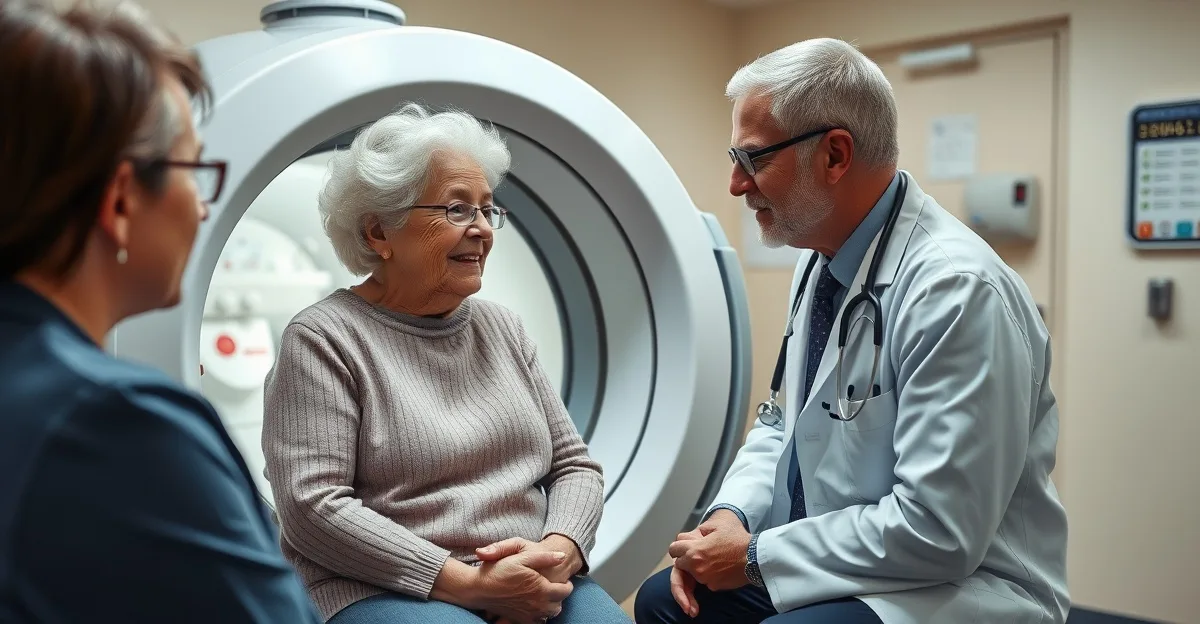
Cognitive health has become a growing concern in recent years, especially as more people begin to recognize the importance of memory, focus, and overall brain function in daily life. Whether it is due to aging, stress, or increasingly demanding lifestyles, many individuals are looking for ways to maintain and improve their mental clarity. In 2026, this shift is more visible than ever, with both awareness and solutions expanding rapidly.
Rather than relying solely on traditional approaches, people are now exploring modern, non-invasive therapies that aim to support brain health in more targeted ways. Wellness-focused platforms such as BaricBoost are also helping increase awareness around oxygen-based cognitive support therapies.
Why Cognitive Health Is More Important Than Ever
Cognitive health affects nearly every aspect of life, from decision-making and productivity to emotional balance and daily functioning. When memory or focus begins to decline, even simple tasks can become more challenging. This is why more people are paying attention to their brain health earlier, rather than waiting for noticeable issues to arise.
Modern lifestyles also play a role. Long working hours, digital overload, and lack of proper rest can all impact how the brain performs. As a result, maintaining cognitive health is no longer just a concern for older adults. Younger individuals are also becoming more aware of the need to support their mental performance and long-term brain function.
Traditional vs Modern Approaches to Brain Health
For years, the foundation of brain health has been built on simple but effective habits. Regular exercise, a balanced diet, quality sleep, and mental stimulation have all been proven to support cognitive function. Activities like reading, learning new skills, and staying socially active continue to play a key role in keeping the mind engaged.
However, while these methods are essential, they may not always be enough on their own, especially for individuals looking for more targeted support. This has led to the rise of modern therapies that focus on enhancing brain function through scientific and technological advancements.
These newer approaches are designed to work alongside traditional habits, creating a more comprehensive strategy for maintaining cognitive health.
Emerging Therapies That Are Changing the Landscape
In recent years, a variety of innovative therapies have gained attention for their potential to support brain function. These approaches often focus on improving circulation, reducing inflammation, and enhancing the brain’s ability to recover and perform efficiently.
Many of these therapies are non-invasive and designed to fit into a broader wellness routine. They aim to provide support without disrupting daily life, making them more accessible to a wider audience.
Oxygen-Based Therapies and Brain Function
One approach gaining attention is hyperbaric oxygen therapy for memory support, which focuses on improving oxygen delivery to the brain to support cognitive function.
Oxygen plays a critical role in how the brain operates. It fuels the processes that allow neurons to communicate and helps maintain healthy brain activity. By improving oxygen flow, therapies like this aim to create an environment where the brain can perform at its best.
While research is still ongoing, the growing interest in oxygen-based therapies highlights how modern science is exploring new ways to support cognitive health beyond traditional methods.
Lifestyle Habits That Still Play a Key Role
Despite the rise of advanced therapies, lifestyle habits remain a crucial part of maintaining cognitive health. No treatment can fully replace the benefits of consistent, healthy routines.
Sleep is one of the most important factors. The brain uses sleep to recover, process information, and maintain balance. Poor sleep can quickly impact memory and focus.
Nutrition also plays a vital role. Foods rich in antioxidants, healthy fats, and essential nutrients support brain function and overall health. Regular physical activity improves blood flow, which benefits both the body and the brain.
Mental exercises, such as puzzles, reading, or learning new skills, help keep the brain active and engaged. These simple habits continue to be the foundation of long-term cognitive health.
Combining Therapy With Daily Habits for Better Results
The most effective approach to cognitive health often involves a combination of modern therapies and consistent daily habits. Rather than relying on a single solution, individuals are finding better results by integrating multiple strategies.
For example, someone may focus on improving sleep and nutrition while also exploring non-invasive therapies that support brain function. This balanced approach allows for both immediate support and long-term benefits.
Consistency is key. Small, regular efforts tend to produce more sustainable results than short-term changes. By combining different methods, individuals can create a routine that supports both their current needs and future well-being.
What to Consider Before Trying New Therapies
While modern therapies offer promising possibilities, it is important to approach them thoughtfully. Not every method will be suitable for every individual, and results can vary based on personal health conditions and goals.
Researching options, understanding how they work, and seeking professional guidance can help ensure a safe and informed decision. It is also important to maintain realistic expectations and view these therapies as part of a broader wellness strategy.
Taking a balanced and informed approach helps individuals make choices that align with their needs and lifestyle.
The Future of Cognitive Health in 2026 and Beyond
As awareness continues to grow, the future of cognitive health looks increasingly focused on personalization and accessibility. Advances in technology and research are expected to bring more targeted solutions, allowing individuals to better understand and support their brain function.
At the same time, the integration of lifestyle habits with modern therapies will likely become the standard approach. Rather than choosing between traditional and advanced methods, people will continue to combine both for more effective results.
This shift reflects a broader understanding that cognitive health is an ongoing process, not a one-time solution.
Conclusion
Cognitive health is becoming a priority for people of all ages, driven by the demands of modern life and a growing awareness of its importance. While traditional habits remain essential, modern therapies are opening new possibilities for supporting brain function in more targeted ways.
By combining healthy routines with emerging treatments, individuals can take a proactive approach to maintaining memory, focus, and overall mental clarity. As 2026 continues to bring new advancements, the focus remains clear: supporting the brain in ways that are both practical and sustainable for long-term well-being.