How Modern Workplace Amenities Are Improving Employee Experience and Satisfaction
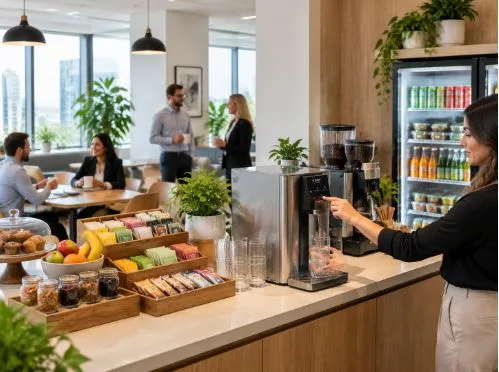
The modern workplace is no longer defined only by desks, technology, and physical office space. Businesses are increasingly recognizing that the environment employees work in has a direct connection with engagement, productivity, and long-term satisfaction.
As companies compete to attract and retain skilled professionals, employee experience has become a major focus for workplace leaders. Organizations are investing in thoughtful workplace amenities that support daily needs, encourage collaboration, and create a more comfortable working environment.
From improved break areas to wellness-focused programs and convenient food solutions, workplace amenities are changing how employees interact with their offices. These improvements are not simply about adding benefits; they are about creating workplaces where employees feel supported throughout their workday.
Why Employee Experience Has Become a Business Priority
Employee experience refers to the overall perception employees develop from their interactions with a company, including workplace culture, tools, environment, support systems, and daily routines.
A positive employee experience can influence how employees engage with their roles and connect with their organizations. While salary and career opportunities remain important factors, many professionals also consider workplace quality, flexibility, and available resources when evaluating an employer.
Businesses are therefore looking beyond traditional workplace setups and exploring ways to improve everyday experiences. This includes creating comfortable collaboration areas, offering wellness resources, and providing convenient workplace services.
The Growing Role of Workplace Amenities
Workplace amenities are becoming an important part of modern office strategy because they address practical employee needs while supporting a positive company culture.
Traditional offices often focused mainly on basic facilities. Today, organizations are considering how spaces and services can improve employee satisfaction and encourage stronger workplace connections.
Creating More Comfortable Work Environments
Employees spend a significant portion of their day at work, making comfort an important part of workplace design. Features such as flexible seating areas, employee lounges, refreshment stations, and collaborative spaces can help create a more welcoming atmosphere.
A well-designed workplace can also encourage employees to take meaningful breaks. Short breaks throughout the day can help employees recharge, communicate with colleagues, and return to tasks with renewed focus.
Supporting Workplace Wellness
Workplace wellness has expanded beyond traditional health programs. Companies are now considering how everyday workplace choices can support healthier routines.
Access to better food options, hydration solutions, comfortable spaces, and employee-focused services can contribute to a workplace environment that prioritizes well-being.
Wellness-focused amenities also demonstrate that companies understand employee needs beyond their immediate job responsibilities.
How Workplace Amenities Influence Employee Engagement
Employee engagement is closely connected with how employees feel about their workplace. When organizations provide resources that make daily work easier and more enjoyable, employees often develop a stronger connection with their work environment.
Amenities can support engagement by:
- Making employees feel valued and supported
- Encouraging interaction between teams
- Improving workplace convenience
- Creating opportunities for informal collaboration
For example, a well-equipped office break room can become more than a place to grab a drink or snack. It can serve as a social space where employees connect, exchange ideas, and build stronger workplace relationships.
The Evolution of the Modern Office Break Room
The traditional office break room has changed significantly. In many organizations, it has evolved from a basic utility area into an important part of workplace culture.
Modern break rooms often include improved coffee options, healthier snack choices, hydration solutions, and self-service conveniences designed around employee preferences.
Businesses are also looking for solutions that reduce administrative responsibilities while improving employee access to refreshments. Managed workplace programs allow companies to provide better experiences without requiring internal teams to manage every detail.
Solutions such as an office pantry service help organizations create organized and convenient refreshment areas that support employee needs while maintaining operational efficiency.
Technology and Convenience in Workplace Solutions
Technology has also influenced how companies approach employee amenities. Digital payment systems, smart inventory management, and self-service options are helping businesses create more flexible workplace experiences.
Modern solutions allow employees to access refreshments and workplace essentials with greater convenience while helping organizations better understand usage patterns.
One example is the growth of the office micro market, which provides a self-service retail-style experience within workplaces. These spaces allow employees to choose from a wider variety of products while offering companies a modern alternative to traditional refreshment setups.
Workplace Amenities as Part of Employee Retention Strategies
Employee satisfaction is influenced by many factors, but the daily workplace experience plays an important role. Organizations that invest in meaningful workplace improvements show employees that their comfort and needs matter.
Workplace amenities can support retention efforts by helping companies create environments where employees enjoy spending time. They also contribute to employer branding by demonstrating a commitment to workplace quality.
However, successful workplace improvements require more than simply adding new features. Companies should consider employee preferences, workplace size, usage patterns, and long-term maintenance requirements when selecting solutions.
What Businesses Should Consider When Improving Workplace Amenities
Before investing in workplace improvements, companies should evaluate several factors.
Understand Employee Needs
Every workplace is different. A manufacturing facility, corporate office, and hybrid workplace may require different solutions based on employee schedules, work styles, and expectations.
Gathering employee feedback can help businesses identify which amenities will provide the most value.
Focus on Accessibility and Convenience
The best workplace solutions are those employees can easily use during their daily routines. Convenience plays an important role in whether an amenity becomes a valuable workplace resource.
Choose Scalable Solutions
Businesses should consider solutions that can grow alongside their workforce. Flexible workplace programs allow organizations to adjust offerings as employee needs change.
The Future of Employee Experience
As workplace expectations continue to evolve, businesses are likely to place even greater emphasis on employee-centered environments.
Future workplaces will focus on creating spaces that support productivity, wellness, and connection. Amenities will increasingly become part of a broader workplace strategy rather than separate employee benefits.
Organizations that understand this shift can create environments that support both employee satisfaction and business goals.
Conclusion
Employee experience has become a key consideration for businesses looking to build stronger workplace cultures and improve employee satisfaction. Modern workplace amenities provide practical ways to support employees while creating more engaging and productive environments.
From wellness-focused improvements to convenient refreshment solutions, companies are finding new ways to make everyday work experiences better.
Businesses looking to improve workplace experiences are increasingly adopting professional refreshment solutions that support employee needs. Bfoods helps organizations create more convenient and engaging workplaces through solutions such as office pantry programs, micro markets, coffee services, and break room solutions. These workplace services allow companies to provide employees with better daily experiences while maintaining operational efficiency.
FAQ
What are workplace amenities?
Workplace amenities are services, facilities, and features designed to improve employee comfort, convenience, and overall workplace experience. Examples include break room improvements, wellness programs, refreshment solutions, and collaborative spaces.
How do workplace amenities improve employee satisfaction?
Workplace amenities can improve employee satisfaction by making daily routines easier, supporting wellness, and creating a more comfortable working environment.
Why is employee experience important for businesses?
Employee experience influences how employees interact with their workplace. A positive experience can support engagement, workplace culture, and employee retention efforts.
What role does a modern break room play in employee experience?
A modern break room provides employees with a space to recharge, connect with colleagues, and access convenient workplace resources during the workday.