How Monitoring Gaps Can Lead to Anesthesia Malpractice Claims
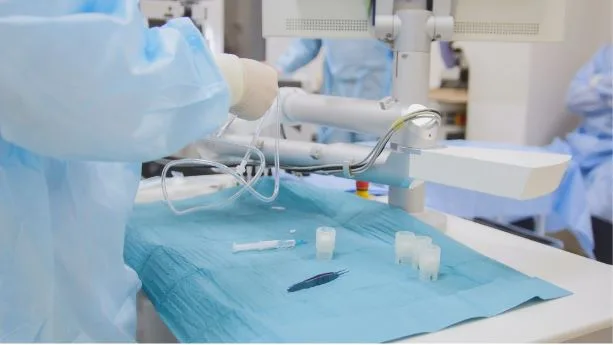
Operating rooms are often quieter than people expect. Beyond the movement of surgical teams and equipment, there is a steady rhythm of monitoring happening in the background. Machines track oxygen levels, breathing patterns, blood pressure, heart activity, and countless small changes occurring second by second while the patient remains completely unaware of what is happening around them.
Most patients enter surgery believing every detail will be watched continuously from start to finish. In many cases, that trust is well placed. But when communication lapses, delayed responses, or monitoring disruptions occur during anesthesia care, the consequences can become serious very quickly. Families are sometimes left searching for answers long after the procedure ends, and some eventually begin speaking with anesthesia malpractice attorneys while trying to understand whether preventable mistakes contributed to the harm.
Anesthesia-related injuries are not always tied to dramatic surgical errors. In some situations, complications develop through smaller gaps in oversight that initially go unnoticed inside fast-moving medical environments.
Why Continuous Monitoring Matters During Anesthesia
Patients under anesthesia lose the ability to communicate distress in real time. They cannot explain breathing difficulties, sudden pain, confusion, or physical reactions while a procedure is taking place. Because of this, anesthesia care depends heavily on continuous observation and rapid interpretation of changing conditions throughout surgery.
Monitoring during anesthesia involves far more than simply watching numbers on a screen. Medical professionals must constantly evaluate whether oxygen levels remain stable, medications are responding as expected, and the patient’s body is tolerating the procedure safely.
Even subtle changes can matter during surgery. A delay in recognizing complications involving breathing, blood pressure, or airway function may allow problems to escalate quickly if intervention does not happen in time.
Most patients never see this process firsthand, which is why many people underestimate how dependent surgical safety becomes on communication, attention, and coordination inside the operating room.
The Small Disruptions That Can Quietly Affect Surgical Oversight
One of the more overlooked aspects of anesthesia malpractice claims is that serious complications are not always caused by one catastrophic mistake. In some cases, harm develops through smaller monitoring gaps that build over time.
Operating rooms are fast-paced environments where several professionals may be managing overlapping responsibilities simultaneously. During procedures, communication can become vulnerable to:
- Delayed responses to warning signs
- Assumptions between providers
- Brief handoff miscommunication
- Divided attention during busy moments
- Incomplete updates regarding patient conditions
- Confusion surrounding medication timing or dosage changes
These situations may appear minor individually, but anesthesia care relies heavily on constant awareness. When communication slows down or monitoring becomes fragmented, small delays can carry larger consequences for patients who are fully dependent on medical teams during surgery.
In many cases, families do not realize how quickly routine disruptions inside operating rooms can become medically significant until unexpected complications begin appearing afterward.
Why Families Often Struggle To Understand What Happened
After anesthesia-related complications occur, patients and families are often left trying to piece together an experience they never directly witnessed. Recovery may involve confusion, breathing difficulties, memory problems, cognitive changes, or physical symptoms that do not immediately seem connected to anesthesia care.
What makes these situations especially difficult is that explanations can initially feel incomplete or fragmented. Different providers may focus on different parts of the procedure, recovery process, or underlying medical conditions. Families may hear medical terminology they do not fully understand while still trying to process unexpected outcomes emotionally.
In some situations, complications are not recognized immediately because symptoms appear gradually after surgery. Patients may assume fatigue, dizziness, or disorientation are simply part of normal recovery before realizing the situation may be more serious.
This uncertainty often becomes one of the most frustrating parts of the experience. Families are left searching for clarity while trying to understand whether the complication was unavoidable or whether something inside the monitoring process may have gone wrong.
Why Monitoring Breakdowns Can Be Difficult To Reconstruct Later
Surgical procedures move quickly, and many important decisions happen in real time. Conversations between providers may occur verbally without families ever hearing them. Critical moments inside operating rooms are also difficult for patients to reconstruct later because they were unconscious throughout the procedure itself.
Medical records may document treatment details, but they do not always capture every moment of concern, hesitation, or delayed response exactly as families imagine it afterward. When several professionals participate in anesthesia care, responsibility can also become more difficult to untangle clearly.
This is one reason why anesthesia malpractice claims often require careful review of timelines, monitoring records, medication administration, and communication patterns during surgery.
For families attempting to understand whether monitoring failures contributed to serious complications, speaking with anesthesia malpractice attorneys may help clarify how surgical oversight and anesthesia-related care are evaluated after unexpected harm occurs.
Why Some Anesthesia Malpractice Cases Reflect Larger System Pressures
Anesthesia malpractice claims are often connected to broader healthcare system pressures rather than one reckless decision by a single individual. Hospitals and surgical centers operate in environments where providers manage demanding schedules, overlapping responsibilities, and high-pressure procedures every day.
Under those conditions, communication becomes especially important. Surgical safety depends not only on technical skill but also on teamwork, coordination, and continuous awareness throughout every stage of care.
Even brief lapses in monitoring or delayed recognition of warning signs can become serious when patients are unable to communicate for themselves during surgery. Many anesthesia malpractice claims ultimately reveal how vulnerable patients become when communication and oversight fail to function as seamlessly as expected.
Conclusion
Most patients never think about the monitoring happening around them once anesthesia begins. They trust that someone is paying attention to every shift in breathing, every change in heart rate, and every sign that something may need immediate attention. That trust is built into the experience of surgery itself.
When complications occur, families are often left looking back at moments they never witnessed firsthand, trying to understand how routine medical care became something far more serious. In many anesthesia malpractice cases, the issue is not always a single dramatic mistake, but rather smaller breakdowns in communication, delayed responses, or monitoring gaps that quietly unfolded during critical moments.
These situations can leave lasting questions long after the surgery ends. They also serve as a reminder that behind every successful procedure is a constant process of observation, coordination, and attention that patients rely on completely while they are at their most vulnerable.