How Multi-Factor Authentication Is Evolving Beyond SMS Codes
The Changing Landscape of Multi-Factor Authentication
In the ever-evolving cybersecurity landscape, multi-factor authentication (MFA) has become a critical line of defense for businesses. Traditionally, SMS codes were the go-to method for MFA, offering a simple way for users to verify their identity beyond just a password. However, as cyber threats become more sophisticated, the limitations of SMS-based authentication have become apparent, prompting organizations to seek more secure and efficient alternatives.
SMS codes, while convenient, are vulnerable to interception, SIM swapping, and phishing attacks. According to a 2023 report, 30% of breaches involving MFA were due to compromised SMS verification methods, highlighting the need for more robust solutions. This shift is driving businesses to explore newer authentication technologies that provide enhanced security without sacrificing user experience.
For companies looking to protect their digital assets while maintaining operational efficiency, it’s essential to manage IT with 917 Solutions as part of a comprehensive security strategy. Managed IT services providers like 917 Solutions specialize in integrating advanced MFA methods that go beyond traditional SMS codes, ensuring that companies remain resilient against emerging threats.
Why SMS Codes Are Losing Ground
The primary appeal of SMS codes lies in their simplicity and wide accessibility-most users can receive text messages on their phones without additional setup. However, this simplicity comes with significant security trade-offs. Attackers can exploit weaknesses in the mobile network infrastructure to intercept SMS messages or perform SIM swap attacks, effectively hijacking the victim’s phone number to bypass authentication.
Moreover, SMS codes can cause friction among users, especially in regions with unreliable cellular service or international users who may incur roaming charges for text messages. This can lead to decreased adoption of MFA or increased support costs for IT teams managing authentication issues.
Recognizing these challenges, many organizations are turning to alternative MFA methods. One such approach is IT management by ISTT, where providers offer advanced authentication solutions that leverage hardware tokens, biometrics, and authenticator apps. These methods provide stronger security guarantees and improved usability compared to SMS-based MFA.
Emerging Alternatives to SMS-Based Authentication
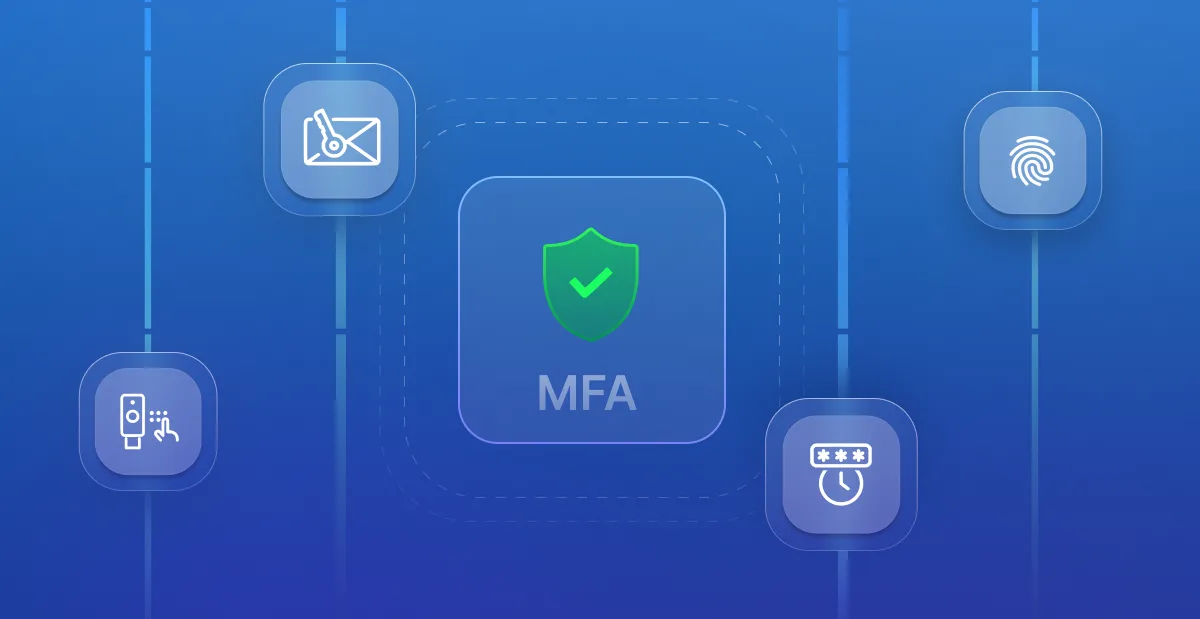
The evolution of MFA is marked by the adoption of methods that combine security with user convenience. Some of the prominent alternatives include:
– Authenticator Apps: Apps like Google Authenticator, Microsoft Authenticator, and Authy generate time-based one-time passwords (TOTPs) that are valid only for a short duration. These apps operate independently of cellular networks, reducing the risk of interception.
– Hardware Tokens: Physical devices such as YubiKeys or RSA SecurID tokens provide a robust layer of security by requiring the user to physically possess the token to authenticate. These devices often use cryptographic protocols that are resistant to phishing attacks.
– Biometric Authentication: Facial recognition, fingerprint scanning, and other biometric methods leverage unique personal characteristics to verify identity. This approach not only enhances security but also streamlines the user experience by eliminating the need to remember codes.
– Push Notifications: Some MFA solutions send a push notification to the user’s mobile device, prompting them to approve or deny the login attempt. This method reduces the risk of man-in-the-middle attacks and is generally faster than entering a code manually.
According to Gartner, by 2025, more than 50% of enterprises will use passwordless or biometric authentication to improve security and user experience, up from less than 10% in 2021. This trend underscores the growing recognition that SMS codes are no longer sufficient for modern security needs.
Integrating Advanced MFA with Managed IT Services
Transitioning to these advanced MFA methods requires not only selecting the right technology but also ensuring seamless integration with existing IT infrastructure. This is where managed IT services play a vital role. Providers that specialize in can help businesses assess their security posture, implement multi-factor authentication strategies, and provide ongoing support to adapt to evolving threats.
Similarly, companies benefit from gaining access to expert guidance on deploying MFA solutions that align with their operational goals and compliance requirements. Managed IT teams can configure authentication protocols, monitor access logs for suspicious activity, and train staff on best practices to maximize security effectiveness.
Adopting advanced MFA solutions is also a key factor in regulatory compliance. For instance, the Payment Card Industry Data Security Standard (PCI DSS) mandates MFA for all personnel with non-console administrative access, and the Health Insurance Portability and Accountability Act (HIPAA) requires safeguarding access to electronic protected health information. Organizations that fail to implement adequate MFA risk not only breaches but also substantial fines and reputational damage. Research shows that companies that implement strong MFA reduce the risk of account compromise by up to 99.9%, emphasizing the importance of these measures.
Challenges and Considerations in MFA Adoption
While advanced MFA methods offer significant security benefits, their adoption is not without challenges. Organizations must consider factors such as user convenience, cost, and compatibility with existing systems. For example, hardware tokens provide strong security but may involve higher upfront costs and logistical considerations in distribution and management.
Biometric authentication can improve user experience but raises privacy concerns, as biometric data is sensitive and must be stored securely to prevent misuse. Additionally, biometric systems may face issues with false positives or negatives, requiring fallback authentication options.
Authenticator apps and push notifications strike a balance between security and usability, but depend on users having smartphones and reliable internet connectivity. This can be a limitation in certain environments or user demographics.
A survey conducted in 2023 found that 68% of organizations cited user resistance as a major barrier to MFA deployment, underscoring the need for effective communication and training during implementation. Ensuring that users understand the benefits and how to use new authentication methods is crucial for success.
The Road Ahead for Authentication Security
As cybercriminals continue to innovate, the arms race in authentication technologies will intensify. Future developments may include expanded use of artificial intelligence for behavioral biometrics, continuous authentication that verifies identity throughout a session, and decentralized identity frameworks that give users more control over their data.
Behavioral biometrics analyzes patterns such as typing rhythm, mouse movements, and device usage to continuously authenticate users without interrupting their workflow. This approach can complement traditional MFA by adding an invisible layer of security.
Decentralized identity models, leveraging blockchain or distributed ledger technologies, aim to reduce reliance on centralized identity providers and enhance privacy. Users maintain control over their credentials and selectively share information, potentially transforming how authentication is managed.
For forward-thinking businesses, staying ahead requires a proactive approach to security. This involves regularly evaluating MFA methods, leveraging managed IT expertise, and fostering a security-aware culture within the organization.
It is also important to recognize that no single authentication method is foolproof. A layered approach that combines multiple factors-something you know (password), something you have (token or device), and something you are (biometric)-offers the strongest defense against unauthorized access.
Conclusion
The evolution of multi-factor authentication beyond SMS codes marks a significant milestone in the ongoing effort to secure digital environments. While SMS-based MFA served as a valuable stepping stone, its vulnerabilities have paved the way for more secure and user-friendly options. By embracing advanced authentication methods and leveraging managed IT services, businesses can enhance their security posture and protect critical assets from increasingly sophisticated cyber threats.
Implementing these changes is not just a technical upgrade but a strategic imperative. As the statistics show, organizations that invest in stronger authentication mechanisms significantly reduce their risk of data breaches and comply with regulatory standards, ultimately fostering trust among customers and partners.
In this dynamic landscape, partnering with experienced IT management providers ensures that businesses can navigate the complexities of MFA adoption smoothly and effectively, positioning themselves for resilient growth in a digital-first world.