How OEM/ODM AI Edge Computers Are Enabling Smarter Event and Exhibition Infrastructure?
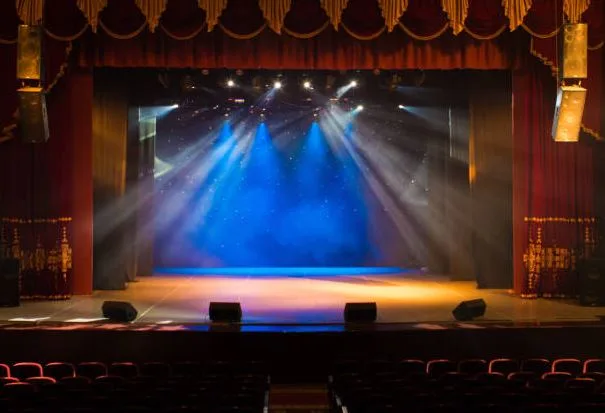
Events and exhibitions are becoming increasingly technology-driven, with organizers seeking smarter ways to manage displays, lighting, security, and visitor experiences. An OEM/ODM AI edge computer can process data close to where it is generated, supporting responsive event technologies. At the same time, a triangular lighting truss provides a structural framework for lighting and equipment.
Together, these solutions can create more connected and adaptable event infrastructure. Now that we’ve set the stage, let’s dive into the details.
The Growing Role of OEM/ODM AI Edge Computers in Smart Event and Exhibition Infrastructure
Modern exhibitions generate large amounts of data through cameras, interactive displays, sensors, digital signage, and connected devices. Sending every piece of information to a remote server can create delays and increase network demands. An OEM/ODM AI edge computer processes data locally, allowing applications to respond more quickly while reducing dependence on centralized computing resources.
This capability is particularly useful for interactive exhibition environments. AI edge computers can support computer vision, visitor counting, object recognition, content management, and real-time analytics. Organizers can use these capabilities to understand visitor behavior and improve how digital installations respond to audiences.
Customization is another reason edge computing is becoming valuable in B2B projects. Event technology providers may require different processors, connectivity options, operating systems, storage capacities, or enclosure designs. OEM/ODM manufacturing allows these specifications to be adapted according to the intended application.
As exhibitions become more interactive, computing equipment must also fit into increasingly complex physical environments. Compact edge computers can be positioned near displays, cameras, sensors, and other devices. This proximity can help reduce communication delays while simplifying certain system architectures.
Integrating OEM/ODM AI Edge Computers with Triangular Lighting Truss Systems
The connection between computing and structural infrastructure becomes important when technology is deployed across large exhibition spaces. A triangular lighting truss can provide a stable framework for lighting fixtures, displays, cameras, speakers, and other event equipment. When paired with edge computing, the truss becomes more than a structural element within a technology-rich environment.
For example, cameras mounted on a truss can capture visitor movement or monitor specific exhibition areas. An AI edge computer positioned nearby can process that visual information locally. The resulting data can then support automated displays, audience analytics, or operational monitoring without requiring every video stream to travel to a distant server.
This arrangement also highlights the importance of practical equipment placement. Computing devices need appropriate locations, power connections, ventilation, and network access. The triangular lighting truss can help organize equipment within a defined event structure, while the edge computer provides the processing capability behind selected applications.
Such integration can make exhibition systems more coordinated. Instead of treating lighting, displays, cameras, and computing as separate installations, event planners can consider them as parts of one infrastructure. This approach can simplify system planning and create more opportunities for intelligent event experiences.
How Triangular Lighting Truss Supports AI-Powered Event and Exhibition Technology?
A triangular lighting truss provides structural support for equipment used in concerts, exhibitions, trade shows, stage productions, and promotional events. Its geometric structure can offer a practical framework for distributing lighting and other equipment across event spaces. This makes it particularly useful when organizers need flexible overhead or suspended installations.
When AI-powered technology is added to an event, the truss can support cameras, sensors, screens, lighting systems, speakers, and networking equipment. These devices can work alongside nearby edge computers to create responsive environments. For instance, sensors can collect information while an AI system analyzes it and triggers an appropriate digital or lighting response.
The modular nature of truss systems can also support changing event layouts. Exhibition spaces often differ in size and configuration, while temporary events may require rapid setup and dismantling. A suitable truss system can be configured according to the venue and equipment requirements.
OEM/ODM AI Edge Computers and Triangular Lighting Truss: Key Considerations for B2B Projects
B2B buyers should begin by defining the event’s technical objectives. An AI edge computer may be required for video analytics, interactive displays, audience measurement, or automated control. The required computing performance, connectivity, storage, and operating environment should be established before selecting equipment.
Physical integration is equally important. The computing system should have suitable dimensions and mounting arrangements for the event environment. The triangular lighting truss should also provide sufficient structural capacity for all attached equipment. Planning these requirements together can reduce installation complications.
Reliability should also be considered because event equipment often operates under demanding schedules. A technical failure during a trade show or live event can affect presentations, visitor engagement, and business outcomes. Components should therefore be selected according to their expected operating environment and workload.
Customization can provide another advantage for specialized projects. OEM/ODM AI edge computers can be configured around specific hardware and software requirements. Truss systems can similarly be selected according to span, structure, configuration, and equipment needs. These customized approaches allow B2B buyers to develop infrastructure around actual event requirements rather than forcing applications into generic solutions.
Company Spotlight: TWOWIN Technology and ITSCtruss for OEM/ODM AI Edge Computers and Triangular Lighting Truss
TWOWIN Technology focuses on AI computing solutions, including OEM/ODM AI edge computers for specialized applications. Its expertise supports businesses that require customized computing hardware for intelligent systems. In event and exhibition environments, such technology can provide local processing capabilities for cameras, sensors, interactive displays, and other connected equipment.
ITSCtruss specializes in truss solutions, including triangular lighting truss systems for event and exhibition applications. Its products can provide structural frameworks for lighting and other equipment. This type of infrastructure can help organizers create organized and adaptable event installations.
Although TWOWIN Technology and ITSCtruss operate in different product categories, their solutions can complement one another in smart event projects. Edge computers provide the processing capability, while truss systems provide physical infrastructure for connected event equipment. Bringing these elements together can support more integrated event technology planning.
For B2B buyers, this combination demonstrates the value of selecting specialized suppliers for different project requirements. Intelligent event infrastructure requires both reliable computing and dependable physical structures. By combining appropriate technologies, organizers and event technology providers can create environments that are more interactive, adaptable, and operationally efficient.
Conclusion:
Smart event infrastructure increasingly depends on the integration of computing, connectivity, and physical equipment. OEM/ODM AI edge computers can provide localized processing for interactive displays, cameras, sensors, and intelligent event applications. Triangular lighting truss systems provide the structural framework needed to position many of these technologies effectively.
TWOWIN Technology and ITSCtruss demonstrate complementary expertise in these areas. Together, these solutions can help B2B event projects move toward more intelligent, flexible, and connected exhibition environments.