How Online Forklift Training Helps Improve Workplace Safety
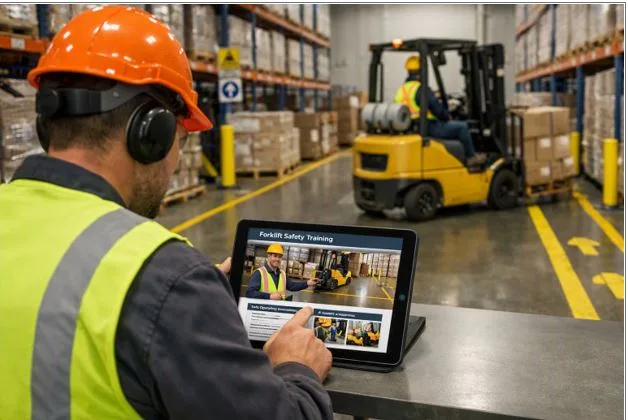
Forklifts are essential in many Canadian workplaces, including warehouses, distribution centres, manufacturing facilities, construction sites, and industrial operations. However, operating a forklift requires more than knowing how to move materials from one location to another. Proper training helps operators understand workplace hazards, equipment limitations, and safe operating practices.
Online Forklift Training can provide a convenient way for workers and employers to build foundational safety knowledge before applying those principles in the workplace. When combined with appropriate practical instruction and workplace-specific requirements, online learning can support a stronger overall forklift safety program.
Why Forklift Safety Training Matters
Forklifts can present significant risks when they are operated incorrectly. Common hazards include collisions, unstable loads, tip-overs, pedestrian interactions, and operating in areas that are unsuitable for the equipment.
Effective training helps operators recognize these hazards and understand how their decisions can affect themselves, coworkers, inventory, equipment, and the workplace environment.
For Canadian employers, forklift training should be approached as part of a broader occupational health and safety program. Requirements can vary depending on the province or territory, workplace conditions, equipment type, and applicable legislation. Employers should always ensure their training practices meet the requirements that apply to their specific workplace.
How Online Forklift Training Supports Safer Workplaces
- Makes Safety Education More Accessible
One of the biggest advantages of Online Forklift Training is accessibility. Employees can complete theoretical learning from a convenient location rather than always needing to attend a traditional classroom session.
This can be particularly useful for businesses with multiple shifts or locations. Training can be incorporated into an existing employee development schedule while reducing the need to coordinate everyone around a single classroom timetable.
Greater accessibility can also make it easier for employers to provide consistent safety information to employees who need forklift-related training.
- Teaches Important Safety Principles
Online courses can introduce operators to fundamental topics such as forklift components, workplace hazards, load handling, stability, inspections, pedestrian awareness, and safe operating procedures.
Learning these concepts before practical equipment operation can give workers a stronger understanding of why particular safety procedures matter.
For example, understanding how load weight, height, positioning, and centre of gravity can affect stability helps operators make safer decisions when handling materials.
- Allows Employees to Learn at Their Own Pace
People do not always learn at the same speed. Online training can give learners an opportunity to review important concepts and revisit material when necessary.
If an operator needs additional time to understand a particular safety topic, online educational material may allow them to review it before moving forward.
This flexibility can support better knowledge retention and encourage employees to take an active role in their safety education.
- Reinforces Consistent Safety Practices
Consistency is important when developing a workplace safety culture. When employees receive standardized training material, employers can establish a common foundation of knowledge across their workforce.
Online learning can help reinforce expectations around pre-operational inspections, safe travel, load handling, pedestrian awareness, parking procedures, and reporting unsafe conditions.
However, training should not stop with an online course. Workers also need to understand how general safety principles apply to the specific forklifts, facility layout, traffic patterns, loads, and hazards present in their workplace.
Online Learning Is Only One Part of Forklift Training
While online education can be valuable, safe forklift operation involves more than completing a digital course. Operators need appropriate practical instruction and evaluation before they independently operate equipment, according to the requirements applicable to their workplace and jurisdiction.
Employers should also consider workplace-specific hazards. A warehouse with narrow aisles and heavy pallet traffic may present very different risks from a construction environment or manufacturing facility.
Refresher training may also be appropriate when an operator demonstrates unsafe behaviour, is involved in an incident or near miss, operates different equipment, or when workplace conditions change.
Choosing the Right Online Forklift Training
When evaluating an online course, employers should look beyond convenience. Training should provide clear, relevant safety information and be designed around recognized forklift operating principles.
It is also important to understand what the course includes and what additional practical training or evaluation may be required. Employers should verify that the training approach aligns with applicable Canadian occupational health and safety requirements.
Build a Stronger Forklift Safety Culture
Forklift safety starts with knowledgeable operators, but it depends on the entire workplace. Employers, supervisors, pedestrians, and equipment operators all have a role in reducing hazards.
Online Forklift Training can make safety education more accessible, reinforce essential operating principles, and provide a useful foundation for further practical training. When online learning is combined with hands-on instruction, workplace-specific procedures, supervision, and ongoing safety awareness, businesses can take a more comprehensive approach to forklift safety.
A 1 Forklift Certification can help organizations and workers understand the importance of proper forklift education and develop safer operating practices. The right training approach can help employees work with greater awareness while supporting a workplace culture where safety remains a priority.