How P2P Crypto Trading Is Changing the Way Indians Access Digital Assets
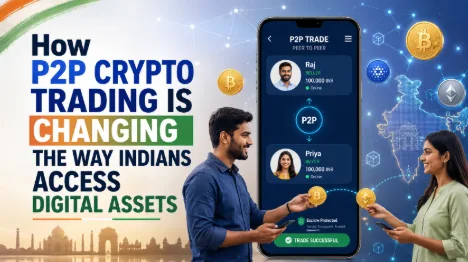
Crypto has moved beyond being a niche interest. In India, more people are exploring digital assets. Alongside this growth, peer-to-peer trading has become a way for users to buy and sell crypto with other individuals. Instead of depending on a conventional exchange order book, P2P trading gives users more control over payment methods and offers.
For anyone researching crypto P2P trading in India, P2P is not simply another way to buy Bitcoin or USDT. It is a marketplace model built around direct transactions between verified users, supported by platform controls that help make the process more organized. The model is especially useful for people who want access to digital assets using INR with flexibility over pricing and settlement.
The Basic Idea Behind Peer-to-Peer Crypto Trading
Peer-to-peer crypto trading connects a buyer and a seller directly. One user wants to purchase a digital asset, while another wants to sell it. The platform helps the two sides find each other and provides structure to complete the transaction.
A P2P marketplace allows sellers to create offers showing the digital asset, price, payment method, minimum and maximum order size. Buyers can compare those offers and choose one that suits them.
This differs from a standard exchange trade where an automated order book matches buy and sell orders. In P2P trading, users have more visibility into the available counterparty, payment conditions, and settlement terms.
Why INR Users Look Toward Direct Marketplace Transactions
Users may want to buy crypto with INR. P2P marketplaces can provide multiple offers, allowing buyers to compare prices before choosing. That choice is useful because traders can prioritize what matters most to them, whether that is price, order size, payment convenience, or a counterparty’s available trading record online.
The same flexibility can help sellers. Someone holding USDT, Bitcoin, Ethereum, or another supported asset may want to convert part of that holding into INR. A P2P marketplace can help that user locate potential buyers through available offers.
This does not mean every transaction will have the same price or conditions. Rates can vary. That makes comparison an important part of the process.
How Buyers and Sellers Find Each Other
A P2P marketplace usually presents trading offers. Buyers can review sellers based on factors such as price, quantity, payment option, and limits.
For example, a buyer interested in USDT may see several sellers offering different INR rates. One seller may offer an attractive price but require a larger order. Another may accept a smaller trade size but quote a different rate.
Sellers benefit from understanding the market before creating or accepting transactions. Looking at available buy offers can provide an idea of demand and pricing.
Details to review before a trade include:
- The quoted price for the digital asset
- Minimum and maximum transaction limits
- Supported payment method
- Counterparty verification or transaction history
- Any specific payment instructions
- The amount of time allowed to complete the transaction
Reading these details reduces confusion.
What Happens From Order Creation to Settlement
The exact process varies by platform, but the general flow is straightforward. A buyer chooses an offer and enters the amount to purchase. The platform then creates an order and displays the seller’s payment instructions.
The buyer makes the INR payment using the agreed method and marks the payment as completed. The seller checks the relevant payment account and confirms that the money has actually arrived.
Only after confirming receipt should the seller complete the crypto release according to the platform process. This step matters because payment screenshots or messages should not replace checking the actual account.
For buyers, it is equally important to follow the instructions attached to the order. Changing the agreed payment method or sending an incorrect amount can delay the transaction and create disputes.
Why User Verification Matters in a P2P Environment
Trust is one of the most important parts of any direct marketplace. Since P2P transactions involve two users, account verification can help create a more structured environment.
KYC verification helps a platform confirm basic account information and can reduce the anonymity that would otherwise make direct transactions harder to manage. Security tools such as 2-Factor Authentication can also help protect users from unauthorized account access.
Platforms such as CoinYatra.com combine wallet and digital asset management features with KYC and 2-Factor Authentication, while also giving users access to P2P trading. Having these functions in one place can make it easier for users to manage assets without moving between unrelated services.
Even with security features, users still need sensible account practices. Strong passwords, careful login habits, verification of payment details, and caution around suspicious messages remain essential.
Payment Records and Transaction Discipline
P2P trading becomes easier to manage when users maintain clear records. Buyers should keep legitimate payment confirmations and order information until the transaction is fully completed. Sellers should verify every incoming payment directly through their bank or payment account.
Users should also avoid moving conversations outside the platform when the trading system provides an internal communication channel. Keeping important transaction details within the platform can make it easier to review the order if a disagreement occurs.
Good transaction discipline includes checking names, payment amounts, order numbers, and settlement status before taking the next step.
Simple habits can prevent many common mistakes:
- Never release crypto based only on a screenshot
- Do not send money to unrelated third-party details without understanding the risk
- Confirm the order amount before making payment
- Keep account security features enabled
- Read the full offer terms before accepting a trade
- Avoid rushing because of pressure from another user
P2P trading is more convenient when both sides treat the process carefully rather than casually.
P2P Trading Versus Regular Exchange Trading
P2P and standard exchange trading serve different purposes. Neither method is automatically better for every user.
A regular exchange market is useful for users who want to trade quickly based on market prices. Orders are generally matched through the exchange system, which can make active buying and selling efficient.
P2P trading gives users more control over counterparties and payment methods. It can be useful for users who want to buy or sell crypto against INR while selecting offers based on their preferred transaction size and settlement method.
Some platforms also give users more than one selling route. CoinYatra.com, for example, states that users can access P2P trading and may also have the option to sell crypto directly to the company for settlement, subject to platform terms. This flexibility can help users who do not want to rely on a single transaction method.
Building Better Habits Before Making Your First Trade
The growth of crypto P2P trading in India reflects a wider shift toward flexible digital asset access. Users are no longer limited to one style of buying or selling. They can compare offers, choose payment methods, manage multiple crypto assets, and decide how they want to move between INR and digital assets.
However, convenience should be supported by careful decision-making. New users should understand how orders work, how payments are confirmed, and why account verification matters. They should also compare rates instead of choosing the first available offer.
P2P trading works best when users approach it as a structured financial transaction rather than an informal transfer. Check every detail, use the platform’s security tools, keep records, and avoid unnecessary shortcuts.
As digital asset services continue to develop, P2P marketplaces are likely to remain an important part of how Indian users access crypto. For beginners, the best starting point is not speed. It is understanding the process well enough to trade with greater confidence, awareness, and control.