How Packaging Influences Consumer Buying Decisions
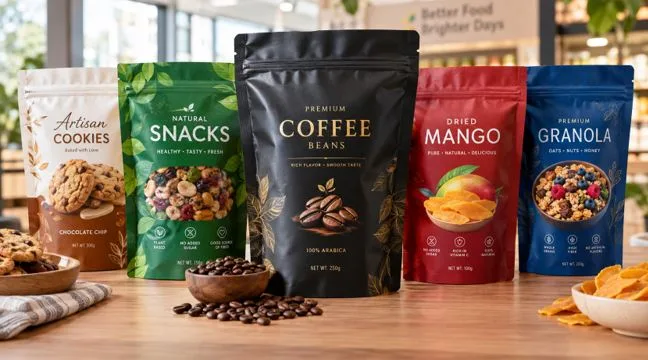
Think about the last time you picked up a product you had never bought before. Maybe it was a bag of coffee, a snack, or something you spotted while scrolling online. Before you knew much about the product itself, its packaging had already told you something.
It might have looked premium, practical, fun, natural, or simply easier to understand than the options beside it. For brands trying to create that kind of first impression, Custom Mylar Bags can combine visual branding with practical flexible-packaging features, while Child Resistant Mylar Bags can add a specialized closure option where child-resistant packaging is appropriate and applicable.
That’s one of the reasons custom packaging matters. Shoppers don’t experience a product in isolation. They see the colors, read the label, notice the shape, feel the material, and work out how the package opens or closes. All of these details contribute to the impression they form before trying what’s inside.
Of course, packaging isn’t the only thing behind a purchase. Price, quality, familiarity, availability, and personal preference all matter. But packaging can help a product get noticed, understood, and remembered.
Packaging Creates the First Impression
A shopper walking down an aisle doesn’t carefully study every product. There are simply too many choices.
Packaging has to do some quick work.
Color, shape, typography, graphics, and even the amount of empty space on a package can affect how easily a product stands out. A clear design may make it immediately obvious what the product is, while a cluttered one can leave shoppers searching for basic information.
- Color and contrast
- Package shape and size
- Logo placement
- Typography
- Photography and illustrations
- Surface finishes
- Clear windows
- Overall layout
This applies online too. Products are often reduced to small thumbnails on an e-commerce page, where complicated designs can become difficult to read.
Good custom packaging doesn’t need to shout for attention. It needs to give shoppers enough visual information to recognize the product and decide whether it’s worth a closer look.
Packaging Can Change How a Product Feels
Consumers can’t always judge quality before buying something, so they naturally look for clues.
Packaging is one of them.
Imagine two bags of coffee at roughly the same price. One has crisp printing, an easy-to-read label, a sturdy feel, and a design that looks carefully considered. The other has blurry graphics and information scattered across the package.
You still don’t know which coffee tastes better. But you may already have different expectations.
- Material choice
- Printing quality
- Structure
- Finish
- Color consistency
- Typography
- Graphics
- Information layout
This doesn’t mean expensive-looking packaging is always the answer.
A playful candy brand and a premium coffee roaster shouldn’t necessarily look alike. Neither should a natural snack company and a bold energy product. The package needs to feel right for the product, price point, audience, and brand.
That’s where custom packaging becomes useful. Instead of trying to make a generic package fit the brand, businesses can build the presentation around the product they’re actually selling.
Color and Graphics Speak Before the Copy Does
People notice visual information quickly.
A shopper may recognize a familiar color combination before reading the brand name. Different colors can also make flavors or varieties easier to distinguish within the same product range.
Graphics play a similar role. Photography can show what a food product looks like. Illustrations can create a playful or handcrafted feel. A minimal design may support a completely different brand position.
But more isn’t always better.
Too many fonts, colors, icons, badges, and claims competing for attention can make a package harder to understand. The shopper shouldn’t have to hunt for the product name.
A useful hierarchy usually makes the following easy to spot:
- Brand
- Product
- Flavor or variety
- Important differentiator
- Supporting information
For products sold in flexible pouches, Custom Mylar Bags can give businesses room to bring those visual elements together while choosing a pouch format and functional features suited to the product.
Packaging Should Make the Product Easy to Understand
A beautiful package that leaves people wondering what’s inside isn’t doing its job.
Consumers may want answers to very practical questions. What is this? How much am I getting? What’s in it? How should I store it? How do I use it?
Depending on the product and relevant labeling requirements, packaging may need to display:
- Product name and type
- Net quantity
- Ingredients
- Nutrition information
- Allergen information
- Storage directions
- Usage or preparation instructions
- Safety warnings
- Manufacturer information
- Relevant certifications or supported claims
The challenge is fitting the necessary information onto the package without making it feel like a wall of text.
Well-planned custom packaging gives information a clear order. Important details are easy to find, secondary information has its place, and the shopper doesn’t have to turn the package around three times just to figure out what they’re buying.
That kind of clarity can make comparing products easier.
Convenience Matters After the Sale
Packaging still has a job to do once the product leaves the shelf.
Think about a snack pouch that tears badly the first time you open it, a zipper that refuses to close, or a bag that’s awkward to store. Small frustrations like these become part of the customer’s experience with the product.
- Resealable zippers
- Tear notches
- Stand-up gussets
- Spouts
- Handles
- Easy-open features
- Portion-friendly formats
The right feature depends on how the product is used.
Someone buying a single-serving snack has different needs from someone buying coffee they’ll open every morning for two weeks.
This is where custom packaging can offer more than visual appeal. Structure and functionality can be chosen around the way people actually store, open, carry, and use the product.
Packaging Has to Protect What’s Inside
Design gets a lot of attention, but the most attractive package in the world isn’t much use if the product inside arrives stale, damaged, or otherwise compromised.
Different products need different levels of protection.
Depending on what’s inside, packaging may need to help manage exposure to:
- Moisture
- Oxygen
- Light
- External odors
- Physical damage
Seal strength, puncture resistance, and barrier properties may also need to be considered.
Coffee, dried foods, snacks, powders, and other products don’t all have the same requirements. The packaging structure should therefore be selected around the actual product, filling method, distribution conditions, storage needs, and intended shelf life.
In other words, custom packaging should start with what the product needs, not just what looks good on a mockup.
Safety Can Be Part of the Buying Decision
Some packaging has an additional job: limiting access to products that could pose a risk to children.
For products subject to child-resistant packaging requirements, this isn’t simply another design option. Businesses need to understand the rules, testing standards, and labeling requirements that apply to the product and market in question.
Where appropriate and supported by the required testing and compliance, Child Resistant Mylar Bags can pair branded flexible packaging with specialized closure systems.
It’s important not to use child resistant as a loose marketing term. If a package carries a safety-related claim, that claim should match its tested performance and the applicable requirements.
For consumers, clear and credible safety features can also provide useful information when they’re comparing products.
Custom Packaging Helps People Remember a Brand
Packaging doesn’t only work during the first purchase.
Think about products you buy regularly. You may spot the familiar color or package shape before you’ve even read the name.
That recognition comes from consistency.
- Logos
- Colors
- Typography
- Graphic styles
- Package structures
- Product naming
- Layout patterns
Consistency doesn’t mean every package needs to be identical. A company might use different colors for different flavors while keeping the logo, typography, layout, and overall design language recognizable.
This is where custom packaging becomes part of brand identity rather than simply a container.
If customers can quickly recognize the same brand across several products, packaging has done something valuable before they’ve read a single marketing claim.
Sometimes Seeing the Product Helps
Not every product needs to be hidden behind an opaque package.
For certain foods, seeing what’s inside can help shoppers evaluate the product for themselves. A clear window may work well for products such as:
- Cookies
- Candy
- Dried fruit
- Nuts
- Grains
- Snacks
- Baked goods
A shopper can see the size, shape, color, or texture instead of relying entirely on an image printed on the front.
But visibility shouldn’t come at the expense of protection.
If a product is sensitive to light or requires particular barrier properties, adding a large transparent window simply because it looks attractive may not make sense.
Good custom packaging balances what shoppers want to see with what the product actually needs.
Sustainability Claims Need to Mean Something
Packaging waste is part of the conversation for both consumers and businesses, but sustainability language can quickly become vague.
Terms such as eco-friendly, recyclable, biodegradable, and compostable sound positive, but they aren’t interchangeable.
- Reducing unnecessary material
- Recyclability
- Recycled content
- Reusable formats
- Compostability
- Lightweight structures
- Waste reduction
The important thing is to be specific.
A sustainability claim should reflect the actual material, available disposal infrastructure, relevant standards, and market requirements. Broad environmental promises may sound appealing, but clear information gives consumers something more useful to evaluate.
The Packaging Experience Continues at Home
A customer has bought the product. Packaging has done its job, right?
Not quite.
They still have to open it, use it, store it, and possibly reseal it several times.
That means details such as closures, tear points, labels, storage instructions, and disposal information still matter after checkout.
For online orders, there’s also the unboxing experience. But this doesn’t mean adding layers of unnecessary packaging just to make opening a parcel feel dramatic.
Often, a better experience is much simpler: the product arrives safely, the package opens the way it should, the information is clear, and the customer can store what’s left without a struggle.
Good custom packaging feels like part of the product rather than an obstacle around it.
Packaging Has to Live Up to Its Promise
Packaging can set expectations very quickly.
That’s useful when the product delivers on them. It becomes a problem when it doesn’t.
A polished package may suggest premium quality. A resealable pouch promises convenience. Product photography creates an expectation about what’s inside.
Problems arise when those promises and the actual experience don’t match.
- Premium packaging around a disappointing product
- An oversized package containing very little
- Images that don’t fairly represent the contents
- Unsupported sustainability claims
- Safety claims without proper substantiation
- A resealable package that doesn’t reseal properly
The purpose of custom packaging shouldn’t be to make a product look like something it isn’t. It should present the product in the strongest possible way while staying true to what customers will actually receive.
What Makes Custom Packaging Effective?
There isn’t one design formula that works for every product.
A package that works beautifully for coffee may be completely wrong for candy, supplements, dried fruit, or cosmetics.
Instead of asking whether a design simply “looks good,” it helps to ask more practical questions:
- Visibility: Will the intended shopper notice it?
- Clarity: Is it obvious what the product is?
- Differentiation: Does it look distinct from nearby alternatives?
- Branding: Can people recognize the brand?
- Information: Can shoppers find important details quickly?
- Protection: Does the package meet the product’s needs?
- Convenience: Is it easy to open, use, store, and reseal?
- Compliance: Are necessary labels and safety features addressed?
- Consistency: Does it feel like part of the wider brand?
- Accuracy: Does it honestly represent what’s inside?
Those questions keep custom packaging focused on the person who eventually has to choose and use the product.
Packaging Is Part of the Buying Experience
Packaging influences buying decisions because it does several jobs at once.
It gets a product noticed. It helps explain what’s inside. It can make a product easier to recognize, carry, open, store, and use. It protects the contents and gives brands a physical way to express their identity.
But good packaging starts with more than appearance.
Brands need to think about who is buying the product, where they’ll find it, what information they need, how the product should be protected, and what happens after the package is opened.
When those decisions guide custom packaging, the result isn’t simply a better-looking container. It’s packaging that makes sense for the product, the brand, and the person buying it.
FAQs
How does packaging influence consumer buying decisions?
Packaging can shape first impressions, product expectations, perceived quality, convenience, and brand recognition. It works alongside other factors such as price, product quality, availability, and personal preference.
Why is custom packaging important?
Custom packaging allows businesses to design the appearance, structure, information, and functional features around a particular product and brand instead of relying entirely on a generic format.
What packaging elements can affect a shopper’s decision?
Color, typography, graphics, package shape, materials, labeling, closures, product visibility, and ease of use can all contribute to how shoppers evaluate a product.
Does packaging help with brand recognition?
Yes. Consistent logos, colors, typography, layouts, and package styles can make a product easier to recognize when customers encounter the brand again.
Is attractive packaging enough to influence a purchase?
Not by itself. Attractive packaging may help get a product noticed, but consumers also consider price, quality, usefulness, familiarity, product information, and their individual needs.