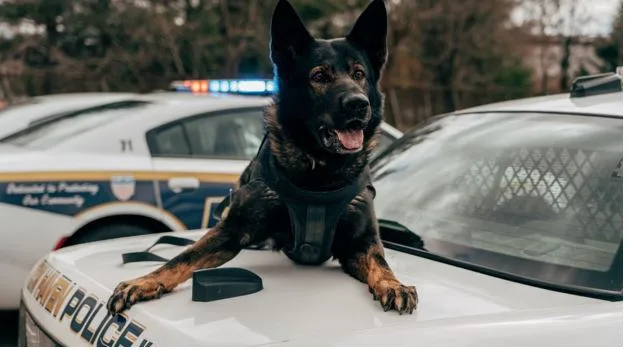
How Police Dog Training Builds Safety Skills
Police dogs play a huge part in keeping communities safe because they bring skills that officers can’t match on their own. You’ll see these dogs helping with searches, emergencies, patrol work, and situations that need sharp instincts and quick thinking. If you’re curious about how these skills grow, this article shares how police dog training shows how working dogs learn the tasks that support public safety.
Building a Strong Start: Trust Between Dog and Handler
If you don’t have a good relationship with your dog, each skill will be developed up through to the third circle in the manner of that relationship. Working dogs often have to make split-second decisions, and they automatically look to the handler for instinctual reaction and reassurance on not only safe choices. Trust takes its seat at the heart of leadership, and communication is easier, and reactions are faster.
Obedience Training That Holds Up Under Pressure
You want a dog that warns you from the second you tell it if your room’s very calm or in the heat of a quick-paced game. Training is usually solid enough to handle distractions, so the dog learns how to focus even when things around it move, flash or make noise. Always remember that the better the dog practises in more difficult settings, the more dependable it is during a true emergency.
Strengthening Focus and Real-World Problem-Solving
Trainers develop these skills using scent puzzles, obstacle courses and searching drills. These are challenges for dogs, forcing them to solve data quickly while remaining sensitive to what is happening around them. Problem-solving has been important, too, because conditions can shift with no warning. Take note that a dog can lose a scent, encounter a new search field or contend with changing weather.
Scent Detection Skills for Search and Rescue
Some working dogs sniff out missing people, while others detect drugs, explosives or concealed objects. A dog’s sense of smell is more acute; it is a valuable partner if you must have a search that is accurate and detailed. Detection training begins in the most basic way so that a dog can learn to identify smells. From that, trainers move on to more difficult challenges so that the dog learns how to track scents.
Protection Work That Teaches Controlled Strength
Police dogs aren’t trained to be aggressive; they’re trained in controlled strength. Protection work trains a dog on how to react right when someone is confronting it, how to chase down or follow a suspect as necessary, or how to guard its handler, without simply reacting. During that training, the dog is taught to bite and let go only on command, hold a position and stay steady until you give a clear directive.
Social Training for Safe Community Interaction
While police dogs are exposed to high-energy situations, they also have contact with families or the general public. As a dog acts calmly around friendly communities, it shows that it can tell the difference between danger and everyday routine. It’s also about getting the animal comfortable with busy streets and varied spaces at different locations, so the dog gets used to working in all kinds of places.
Specialised Training for Different Police Units
Some join search-and-rescue teams; others support narcotics work, patrol units, or tactical groups. Each dog develops deeper skills in areas such as scent detection or protection based on its strengths. This kind of focused training ensures the dog grows into a role where it performs well for many years. When a dog receives guidance that matches its natural abilities, it becomes an expert in the job it’s given.
Why Strongly Trained Police Dogs Matter
Well-trained police dogs support officers by handling tasks that need speed and instinct. Once these dogs master detection and teamwork, they become steady partners who strengthen safety. If you want to understand how these skills develop, structured programmes such as police dog training offer a clear look into the process and show why these dogs remain trusted members of law enforcement teams.