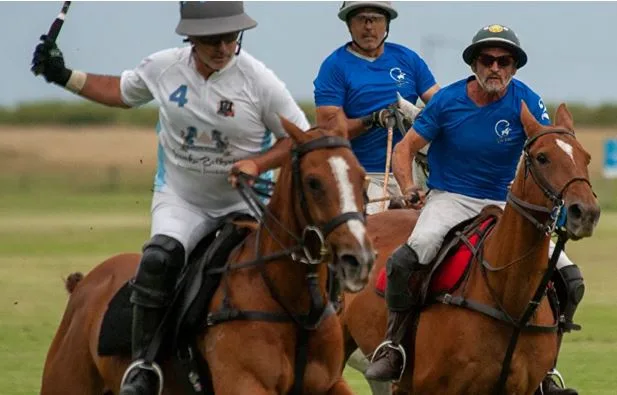
How Polo Is Changing the Landscape of Equestrian Sports
For centuries, polo has been known as the “sport of kings”—exclusive, tradition-bound, and deeply rooted in aristocratic culture. Today, however, polo is undergoing a transformation that is quietly reshaping the entire equestrian world. Driven by innovation, accessibility, and global expansion, the sport is no longer confined to elite circles. Institutions like Argentina Polo School in Mar del Plata are at the forefront of this shift, opening the game to international players and beginners alike. As a result, polo is emerging as one of the most dynamic forces within modern equestrian sports—especially in England and Argentina, the two countries that define its past and future.
A Shift from Tradition to Global Influence
Historically, equestrian sports such as dressage, show jumping, and racing have dominated international attention. Polo, while prestigious, remained relatively niche due to its cost and logistical complexity.
That is changing.
Argentina has become the global epicenter of polo—not only producing the world’s best players but also shaping breeding, training, and innovation in the sport. Argentina continues to dominate international competitions and exports thousands of elite polo ponies annually, reinforcing its influence on the global equestrian market.
Meanwhile, the United Kingdom—particularly England—acts as polo’s gateway to Europe, blending tradition with modern commercialization and audience engagement.
Together, these two nations are redefining what equestrian sport can look like in the 21st century.
Argentina: Innovation, Accessibility, and Talent Development
Polo in Argentina is not just a sport—it is a cultural system. From a young age, riders are immersed in horsemanship, creating a natural pipeline of elite talent.
But Argentina’s real impact lies in how it is democratizing polo:
- Advanced breeding and cloning have revolutionized horse quality and consistency at the top level
- Structured training ecosystems develop players from beginner to professional
- Polo tourism opens the sport to international audiences
Institutions like Argentina Polo School play a crucial role in this transformation. Based in Mar del Plata, the school introduces beginners to polo while also developing competitive players, contributing to the growth of polo beyond traditional hubs like Buenos Aires.
This model—education, experience, and competition—is reshaping how equestrian sports engage newcomers. Instead of requiring lifelong access to horses, polo is becoming something people can learn, experience, and enter within a short time frame.
England: Modernization of a Historic Sport
If Argentina represents innovation from within, England represents transformation from the outside.
British polo has long been associated with exclusivity and royal heritage. Today, however, it is evolving rapidly.
Clubs are increasingly introducing pay-to-play formats, beginner-friendly leagues, and social or corporate polo events. These changes are lowering the barrier to entry and attracting a broader audience.
At the same time, female participation in polo has grown significantly, with women now playing a more visible and influential role in the sport.
There is also experimentation with new formats—such as arena polo and shorter matches—which make the game more accessible, faster-paced, and appealing to modern audiences.
All of this reflects a wider shift across equestrian sports: moving away from rigid tradition toward flexibility, inclusivity, and entertainment.
Technology and Ethics: A New Frontier
Polo is also pushing boundaries in areas where other equestrian sports remain more conservative.
Cloning and genetic technologies are being explored to enhance horse performance, while data-driven training is improving both horse management and player strategy. At the same time, ongoing discussions around animal welfare are influencing how the sport evolves, from equipment to match formats.
While some of these developments are controversial, they position polo at the forefront of scientific and ethical conversations within equestrian sport.
Polo as an Experiential Sport
Unlike most equestrian disciplines, polo is increasingly marketed as an experience rather than just a competition.
In Argentina—especially in destinations like Mar del Plata—visitors can learn to ride, play their first chukkers, and combine sport with gastronomy and tourism.
This “polo lifestyle” approach is redefining how people engage with equestrian sports. It transforms spectators into participants, offering a level of immersion that is rare in other disciplines.
The Future: From Elite to Global
The transformation of polo reflects a broader evolution in sports culture.
Traditionally, equestrian sports were elite, exclusive, and competition-focused. Polo is now moving toward a model that is more accessible and experience-driven. It blends sport with lifestyle, adapts its formats, and builds global ecosystems rather than remaining tied to local traditions.
England and Argentina stand at the center of this shift. Argentina continues to drive talent, horse development, and innovation, while England plays a key role in modernizing formats and expanding global visibility.
Conclusion
Polo is no longer just preserving equestrian tradition—it is redefining it.
Through innovation in Argentina and modernization in England, the sport is becoming more accessible, more global, and more relevant to contemporary audiences. Institutions like Argentina Polo School in Mar del Plata demonstrate how polo can expand beyond elite circles and grow into a truly international, participatory sport.
In doing so, polo is not only changing itself—it is setting a new direction for the entire equestrian world.