How Poor Vision Affects Productivity More Than You Realise
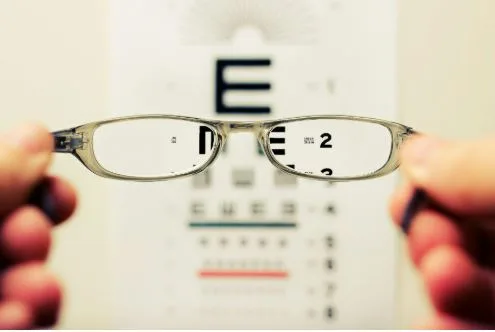
Most conversations about workplace productivity focus on habits, tools, and time management. The meetings that could be emails. The phone notifications that fragment concentration. The project management system that was supposed to simplify things and somehow added three new weekly check-ins.
What rarely comes up is vision. And yet for a significant number of people, uncorrected or poorly corrected eyesight is quietly draining more energy and output from their working day than any of the usual suspects. It does not announce itself dramatically. It shows up as a persistent low-level struggle that gets attributed to everything else before the obvious culprit is considered.
The Surprising Link Between Vision and Daily Output
The eye is not a passive receiver of information. Seeing requires continuous active effort from a set of muscles controlling focus, tracking, and coordination between both eyes. When that system is working well, the effort is invisible. When something is off, whether from an uncorrected prescription, outdated lenses, or sustained strain from poor working conditions, the visual system draws on cognitive resources to compensate.
That compensation is the part most people do not account for. The brain allocating processing power to managing a blurry or effortful visual field is brain capacity not available for the work itself. The result is not blindness or obvious impairment. It is a subtle reduction in processing speed, concentration depth, and sustained focus that most people experience as a general sense of being less sharp than usual, without identifying why.
Research consistently shows that vision problems are among the most undertreated health conditions in working-age adults. A significant proportion of people with uncorrected or poorly corrected vision are not aware the problem exists, because the deterioration has been gradual enough for the brain to normalise it.
Common Signs Your Vision May Be Affecting Your Work
Most of these will feel familiar to anyone whose vision is not quite right for the demands of their working day.
Rereading the same line of text multiple times without retaining it is a sign the eyes are working harder than they should to track across the page or screen. Losing your place mid-sentence, or finding your attention drifting after short reading periods, follows the same pattern.
Headaches that build across the morning and are at their worst by early afternoon, then ease once you step away from the screen or desk, are frequently vision-related. The pattern of timing is the giveaway. A headache that correlates precisely with screen or reading time and clears when that demand is removed points toward the visual system as the source.
Leaning closer to a screen, tilting the head to find a clearer focal point, or unconsciously covering one eye during reading are physical compensations the body makes when the visual system is not providing a clear enough image without assistance.
Feeling disproportionately tired by mid-afternoon relative to the physical demands of the day is another indicator. Cognitive fatigue from sustained visual effort feels indistinguishable from general tiredness, which is why it so rarely gets correctly attributed.
How Eye Strain Quietly Drains Your Energy and Focus
Digital eye strain is not a dramatic condition. It does not produce sharp, obvious pain or sudden vision loss. What it produces is a gradual accumulation of discomfort and reduced capacity that compounds over the course of a working day in ways that are difficult to pinpoint until the day is over.
The mechanism is straightforward. Screen use requires sustained near-focus effort from the ciliary muscles inside the eye. Those muscles hold the lens of the eye in a curved position for close vision, and holding any muscle in a fixed position for hours at a time causes fatigue. The eye also blinks significantly less during concentrated screen use, which dries the corneal surface, increases irritation, and adds a layer of discomfort on top of the muscle fatigue.
By mid-afternoon, a person dealing with both of these things simultaneously is experiencing reduced visual clarity, increased physical discomfort, and elevated cognitive load from the compensation the brain is running continuously. The work output in that state is measurably lower than in the morning, and the gap between early-day performance and late-day performance is wider than it needs to be for someone whose vision is properly corrected.
The Role Prescription Glasses Play in Workplace Performance
The right prescription glasses remove the effort the visual system is spending on compensation. When the lens is doing the work of correction accurately, the eye muscles are not having to work against an imperfect image to produce a functional one. The cognitive resources being used for compensation are freed up for the task itself.
This is not a small effect. Studies in occupational health have linked vision correction directly to improvements in reading speed, accuracy on detailed tasks, and sustained concentration over long working periods. Workers wearing an accurate prescription report fewer headaches, less end-of-day fatigue, and higher self-rated work quality than those with uncorrected or outdated prescriptions.
The prescription needs to be current for this to hold. An outdated prescription that was accurate two years ago may not reflect how the eyes are performing today. Vision changes gradually, and the brain compensates for small shifts well enough that many people are unaware their prescription has drifted from accuracy. The resulting mild correction mismatch is enough to increase visual effort meaningfully over a full working day.
For anyone over forty whose near vision has started to change, varifocal glasses often make the most significant difference to daytime performance. Managing one distance clearly while struggling at another creates a persistent switching cost across a working day involving multiple focal demands. Varifocal glasses eliminate that switching cost by covering all distances within a single lens.
Choosing the Right Glasses Frames for Long Working Days
Glasses frames affect work performance in ways that are easy to underestimate when choosing a pair based primarily on appearance. A frame that fits incorrectly creates its own set of problems that add to rather than relieve daily visual effort.
Frames that are too wide allow lenses to sit further from the eye than they should, which changes the effective power of the correction. Frames that slip down the nose shift the optical centre of the lens away from the pupil repeatedly throughout the day, introducing distortion that the visual system manages continuously. Frames that press uncomfortably at the temples or nose bridge become a source of tension that builds over a long sitting session in ways that contribute directly to afternoon headaches.
For long working days in particular, lightweight materials make a difference in sustained comfort. Titanium and high-grade acetate frames sit more easily over extended periods than heavier alternatives. A well-fitted nose bridge that keeps the frame stable without pressure points is worth more in practice than any design feature visible in a mirror.
The lens coating within the glasses frames also matters for office use. Anti-reflective coating removes the secondary reflections on the lens surface that add a layer of low-level visual effort throughout the day. Blue light filtering, either as a coating or built into the lens material, reduces the output of screen-related short-wavelength light. Both treatments are worth specifying for any prescription glasses intended primarily for desk and screen work.
When to Seek Professional Advice and What to Expect
The threshold for booking an eye test is lower than most people set it. Waiting until something is obviously wrong means tolerating a period of reduced performance and unnecessary discomfort that a straightforward appointment would have resolved.
A few specific situations are worth acting on promptly rather than monitoring:
- Headaches that correlate consistently with screen or reading time
- Noticeable difficulty switching focus between near and distance during the working day
- A prescription that is more than two years old and has not been reviewed
- Increased squinting, leaning toward screens, or covering one eye to see more clearly
- A general sense of visual fatigue that is worse on working days than at weekends
An eye test at this point does one of two things. It confirms the prescription is accurate, which rules out vision as a contributing factor and redirects attention elsewhere. Or it identifies a correction that is needed, which produces a tangible improvement in daily performance once the right prescription glasses are in use.
The appointment itself covers considerably more than a prescription check. A thorough eye examination assesses the health of the eye structures, screens for conditions like glaucoma and macular changes, and gives the optician enough information to make a lens recommendation that fits the specific demands of the working day being described. Telling the optician how the day is structured, how many hours are spent on screens, and what specific difficulties have been noticed, produces a more targeted outcome than answering the standard questions and leaving it at that.
Good vision is not a background condition that either exists or does not. It requires maintenance, accurate correction, and the right eyewear for the tasks being performed. Getting those things right is one of the more straightforward and most underused productivity improvements available to most working adults.