How Premises Liability Laws Affect You When Injuries Happen in Public Places
When you are injured in a grocery store, parking lot, apartment building, or other public setting, the law that usually governs your rights is called premises liability. These rules determine when a property owner or occupier may be legally responsible for unsafe conditions on their property. Understanding how these laws work can help you evaluate whether an injury may lead to a valid claim and what steps you need to take next.
The Basic Duty Property Owners Owe You
Premises liability is rooted in state law, which generally requires property owners to maintain reasonably safe conditions for people who are lawfully on their property. As explained by the legal professionals at Trantolo Law, liability typically depends on whether the owner knew or should have known about a dangerous condition and failed to address it.
The exact duty owed to you can vary based on your legal status on the property. Most states distinguish among invitees, licensees, and trespassers, and the level of care owed differs for each category.
How Your Status on the Property Matters
If you are a customer in a store or a tenant in an apartment complex, you are usually considered an invitee. Property owners owe invitees a duty to inspect for hazards and either fix them or provide adequate warning.
If you are a social guest, you are often classified as a licensee. In that case, the owner generally must warn you about known dangers that are not obvious, though the obligation to inspect may be more limited.
What Counts as a Dangerous Condition
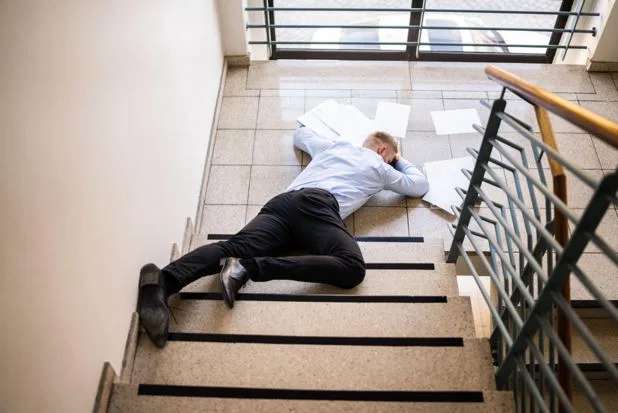
A dangerous condition can include wet floors, broken stairs, poor lighting, uneven pavement, falling merchandise, or inadequate security in certain circumstances. The key legal question is whether the condition posed an unreasonable risk of harm.
Courts look at factors such as how long the hazard existed, whether it was visible, and whether a reasonable property owner would have taken action. Temporary hazards may still lead to liability if the owner had sufficient notice and failed to act within a reasonable time.
Proving Notice and Responsibility
To succeed in a premises liability claim, you must usually show that the property owner had actual or constructive notice of the hazard. Actual notice means the owner knew about the problem, while constructive notice means the condition existed long enough that the owner should have discovered it through reasonable inspection. These principles are tied directly to the responsibilities of a property owner under state law.
Evidence is central to this process. Information about surveillance footage, maintenance logs, witness statements, and incident reports can help establish whether the owner met their legal duty. This documentation helps clarify whether reasonable steps were taken to identify and correct unsafe conditions.
The Role of Comparative Fault
In many states, premises liability cases are governed by comparative fault rules. If you were partially responsible for your own injury, such as ignoring a clearly visible warning sign, your compensation may be reduced in proportion to your share of fault.
Some states follow pure comparative fault, which allows recovery even if you are mostly at fault, though your award is reduced accordingly. Others use modified comparative fault, which bars recovery if your responsibility reaches a certain threshold, often 50 or 51 percent.
Special Situations and Exceptions
Claims involving government property are often subject to additional procedural requirements. Federal, state, and local entities may have shorter notice deadlines and specific filing rules under sovereign immunity statutes.
Cases involving criminal acts by third parties can also raise distinct legal questions. In those situations, courts examine whether the property owner had a duty to provide reasonable security based on prior incidents and foreseeable risks.
How Time Limits Affect Your Claim
Every state sets a statute of limitations for personal injury claims, including those based on premises liability. In many jurisdictions, the deadline is two or three years from the date of the injury, though exceptions may apply for minors or cases involving government entities.
Missing the applicable deadline can prevent you from pursuing a lawsuit at all. The clock generally starts on the date of injury, though some states recognize limited discovery rules if the harm was not immediately apparent.
Understanding Your Rights in Public Spaces
Premises liability law does not guarantee compensation simply because an injury occurred on someone else’s property. It requires proof of a duty, a dangerous condition, notice, and a direct link between the condition and your injury.
If you are hurt in a public place, the legal system expects you to document what happened, seek timely medical care, and act within statutory deadlines. Knowing how these rules operate allows you to assess your situation with greater clarity and to understand what the law requires before responsibility can be established.