How Private Dentistry Is Shaping More Personalised Patient Care
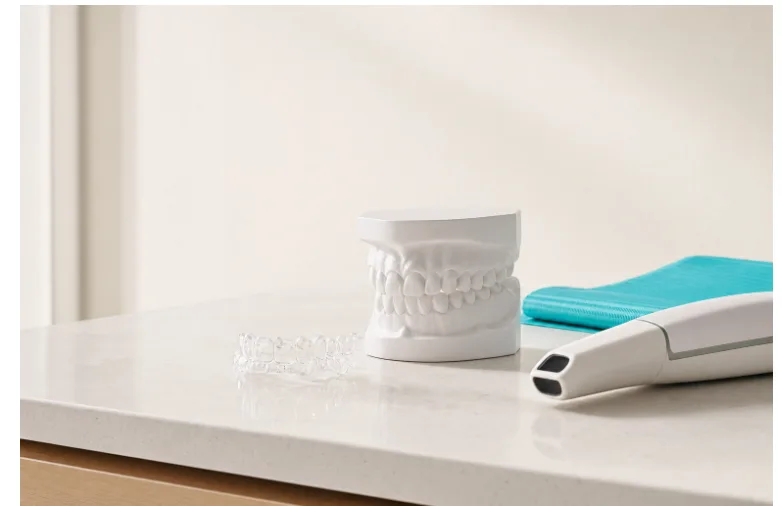
Personalised dental care is redefining what patients expect from their oral health providers. Private practices are focusing on tailored treatments and individual needs. This shift is influencing how dental care is planned, delivered, and experienced across the sector.
The expectation for personalisation in healthcare is gaining momentum, with dentistry increasingly reflecting this broader trend. As patients seek treatment that addresses their unique lifestyles and oral health risks, private dentists in Glasgow and other private dental practices are responding by offering more individualised experiences. This development is contributing to changes in traditional models of care, with an emphasis on open communication and care that considers each patient’s circumstances. Many individuals now have more options and engagement in their dental journeys, influencing how practices operate.
Understanding what personalised dental care involves
Personalised dental care goes beyond routine check-ups to consider the specific needs and preferences of each individual. Practitioners begin by conducting detailed risk assessments, evaluating factors such as medical history, diet, oral hygiene, and genetic predispositions to tailor care accordingly.
This approach informs both immediate treatment and preventive strategies, as well as longer-term maintenance. By designing individual prevention plans and treatment sequences, dental professionals aim to address potential risks and promote sustained oral health for each patient.
Key drivers supporting private sector growth
Several factors contribute to the prominence of private dental practices. Patients may be drawn to flexible scheduling, the opportunity to see the same clinician for continuity, and service offerings that cover a wider range of needs.
Private providers often allocate more time for thorough consultations and complex planning. This can allow practitioners to educate, discuss alternatives, and explain outcomes in more detail, supporting decisions that reflect patient priorities. Some practices may offer structured care pathways as part of broader service packages, with the intention of providing clarity from consultation to aftercare.
Where individualisation is most often applied
Personalisation appears in numerous aspects of modern dentistry. Preventive care plans may now be based on more detailed risk profiling, adjusting the frequency and type of preventive treatments to the person’s needs.
Restorative and cosmetic options are also tailored, with dental professionals considering appearance goals, lifestyle habits, and bite function. Management of dental anxiety and aftercare protocols can be adapted in response to feedback and preferences gathered during patient visits.
Technologies and standards supporting safer care
Advancements in digital imaging, electronic records, and intraoral scanning enable private practices to deliver more precise, patient-specific treatments. These technologies support clearer planning, quicker diagnoses, and visual communication tools that help patients understand their options.
Clinicians use evidence-based protocols to guide care, with an emphasis on safety. Informed consent, open discussion of options, and realistic explanations of possible outcomes help set accurate expectations while building trust.
Balancing personalised care with access and equity
Private dental care is often associated with a more individualised approach, but cost is an important consideration for many patients. Guidance commonly suggests the need for clear pricing and transparency when presenting options, supporting individuals in weighing value alongside expense.
The coexistence of public and private dental services allows patients to choose the environment that suits their needs, without overstating the advantages of one model over another. By focusing on communication and safety, both sectors aim for high-quality standards and preventive goals, regardless of payment model.
What patients should expect from quality practices
Clear and documented treatment plans help set expectations and maintain consistency of care, whether provided privately or publicly. Standards for aftercare are important, giving patients information on what support is available following any procedure or intervention.
Patients benefit from practices that communicate openly, offer measurable prevention targets, and encourage active involvement in long-term oral health. Approaches used by providers such as Dental Solutions may also reflect wider expectations around personalisation, safety, and continuity. Emphasising these principles can help support positive experiences and reassure patients as the dental sector continues to adapt to evolving needs and expectations.