How Proper Fastener Selection Improves Steel Structure Performance
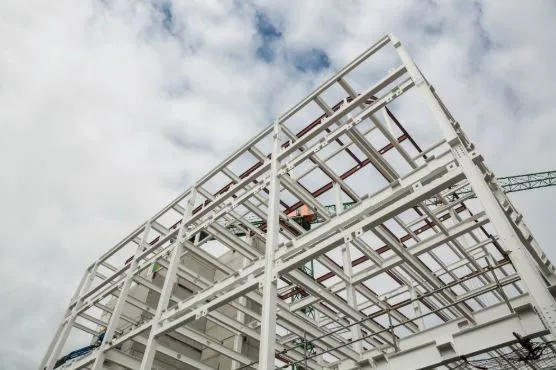
Walk onto any construction site, and you’ll probably see cranes swinging steel beams into place. But the hidden heroes holding those beams together are fasteners.
These less visible but just as important pieces are chosen with care to ensure buildings stay safe, sturdy, and low-maintenance for years. Fasteners might seem like small details, but picking the right ones is a crucial part of every successful steel construction project.
Why Fastener Choice Matters in Steel Structures
Not every fastener can perform in tough, high-load environments. The wrong bolt or screw can lead to early failure, costly repairs, or even dangerous structural weaknesses over time. Thousands of structural fasteners are used every day in steel construction projects, yet only the right fit prevents problems later on.
When engineers and contractors select fasteners, they consider several factors. Will they be exposed to rain, salty air, or chemicals? Is the building designed to handle heavy machinery? Each situation requires a different product, and a poor match can mean corrosion, vibration loosening, or sagging joints.
In seismic areas, for example, steel has long been considered a strong choice for earthquake resistance because of its flexibility and resilience. But earthquake performance isn’t just about the steel itself: fasteners are a critical link in the chain. The right fasteners help maintain structural connections during seismic events. They help prevent catastrophic failures by ensuring that joints remain secure even under intense shaking and shifting.
The Role of Load Capacity and Strength
Load capacity is a key factor to consider in fastener selection. In steel structures, the fastener must handle not only everyday weight, but also occasional shocks, like wind, seismic activity, or equipment movement. If a fastener fails, connections can loosen and compromise safety.
That’s why engineers pay close attention to the properties of common fasteners. For major beams and structural joints, A325 and A490 bolts are widely specified because they provide the high-strength connections needed for demanding structural steel applications. Selecting the appropriate bolt grade for the required load and connection type helps improve long-term structural performance, reliability, and safety in commercial and industrial construction.
Factoring in Environmental Conditions
Rain, humidity, and salt can attack exposed metal, while industrial chemicals can corrode certain finishes faster than normal. If you are building near the ocean or in a factory district, fastener materials and coatings instantly become more important.
Here, hot-dip galvanized, zinc-plated, and stainless-steel fasteners are viable options to beat the elements, and each is suited to different conditions. If those factors aren’t considered upfront, frequent replacement and higher maintenance are almost guaranteed. A properly selected fastener can extend the time between inspections and repairs, saving companies money over the building’s lifespan.
Installation Techniques Matter Too
Even the best bolts can create headaches if they are not installed correctly. Proper torque or tension, which needs to be measured carefully with calibrated tools, ensures that the joint holds steady under pressure and resists loosening from vibration. Many structural steel projects also specify installation methods that verify proper bolt tension to ensure high-strength connections perform as designed throughout the life of the structure.
To add integrity to steel constructions, it is essential to use clean threads, uniform tightening, and washers. Trained installers follow a pattern to secure every bolt so stress and pressure spreads evenly across the structure. Improper installation can lead to joint movement, reduced structural performance, or premature connection failure.
Minimizing Maintenance and Maximizing Longevity
With the right fasteners in place, scheduled upkeep becomes less frequent and less severe. For instance, corrosion-resistant and high-strength connections mean fasteners hold up well, even after many years of weather and wear. Using properly specified structural fasteners from the beginning reduces the likelihood of premature connection failures and helps minimize long-term maintenance costs. When maintenance crews only have to inspect or replace a handful of bolts instead of hundreds, operating costs and downtime remain much lower.
Proper steel structures can also make buildings more sustainable. Sustainability in construction increasingly relies on durability, and fasteners play a significant role here. Long-lasting connections extend the useful life of steel structures, minimizing the need for early replacements or extensive repairs, which can negatively weigh on the environment.
Explore More About Steel Construction Best Practices
For builders and engineers aiming for longevity and safety, understanding the role of every component, from beams to bolts, pays off over time. To deepen your insights, check out resources focused on innovations and long-term durability in commercial construction.