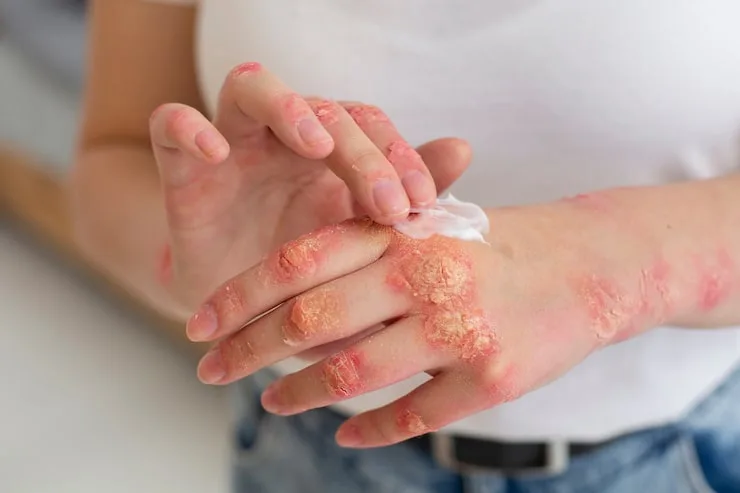
How Psoriasis Depends on the Weather
Psoriasis is a chronic inflammatory skin condition that is highly sensitive to environmental changes. While genetics and immune activity drive the disease, weather plays a significant role in how often flares occur, how severe they feel, and how the skin ages over time. Understanding this connection helps patients manage both psoriasis symptoms and long-term skin health more effectively.
Cold weather is one of the most common triggers for psoriasis flares. Low humidity dries out the skin, weakens the protective barrier, and increases scaling, itching, and redness. Indoor heating further strips moisture from the skin, making plaques thicker and more uncomfortable. Chronic dryness and inflammation during winter months can also contribute to premature aging by accelerating fine lines, rough texture, and loss of elasticity.
Warm weather in Ukraine and increased sunlight often lead to noticeable improvement in psoriasis symptoms. Natural ultraviolet light can slow excessive skin-cell turnover and reduce inflammation, which explains why many patients feel better in spring and summer. However, excessive sun exposure can damage collagen, worsen hyperpigmentation, and speed up visible aging. Sunburn or skin trauma may also provoke new psoriasis lesions, making balance especially important.
Humidity levels also matter. Moderate humidity supports healthier skin by reducing transepidermal water loss, which helps calm psoriasis and improves overall skin appearance. Dry or windy climates tend to aggravate symptoms unless consistent moisturization and barrier protection are maintained.
Anti-Aging Treatments for Psoriasis-Prone Skin
Anti-aging care for individuals with psoriasis must be thoughtful and individualized. The goal is not aggressive correction, but skin strengthening, hydration, and inflammation control. Well-formulated moisturizers with ceramides, cholesterol, and fatty acids help restore the skin barrier while also improving texture and resilience. Antioxidants and peptides can support collagen health without overstimulating sensitive skin.
More advanced anti-aging treatment may be considered when psoriasis is stable. Non-irritating rejuvenation procedures and carefully selected topical therapies can improve tone, firmness, and overall skin quality when performed under medical supervision. Seasonal timing is important—many patients tolerate these treatments better during cooler months when sun exposure is lower and skin recovery is more predictable.
A Seasonal, Balanced Strategy
Successful long-term skin care combines psoriasis management with aging prevention. In colder months, emphasis should be placed on intensive moisturization, barrier repair, and gentle rejuvenation. In warmer months, lighter hydration, antioxidant protection, and consistent sun protection become essential to prevent UV-related aging while still supporting psoriasis control.
Rather than treating psoriasis and aging as separate concerns, a unified, season-aware approach allows the skin to remain calmer, stronger, and healthier year-round.
Medical Disclaimer:
This information is for educational purposes only and is not intended as medical advice. Psoriasis and anti-aging treatments should always be personalized. Consult a licensed or board-certified dermatologist before starting, stopping, or changing any medical or cosmetic skin treatment.