How Rolls-Royce Became the Benchmark for Automotive Luxury
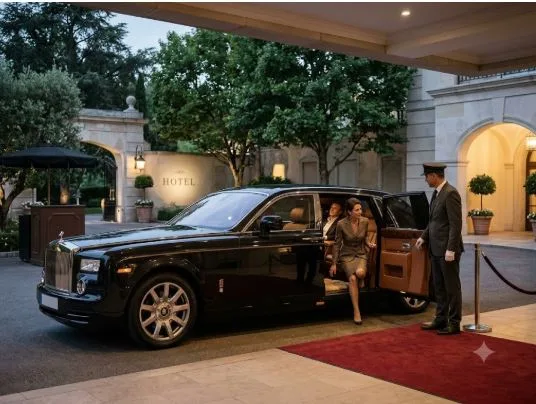
Luxury is a word carmakers hand out cheaply. Ventilated seats, a wide screen, some ambient lighting – suddenly a mid-size SUV calls itself premium.
Rolls-Royce operates on a different definition entirely, built around silence, hand finishing, and a refusal to rush anything. Understanding how the marque got there matters more than admiring the badge. The engineering decisions behind it explain why rivals keep borrowing the vocabulary but rarely manage to steal the method.
Silence is Engineered, Not Advertised
Most people assume the quiet comes from thick carpets and heavy doors. That’s only half the story.
The cabin hush is the result of layered decisions made years before a car reaches any showroom. Double-skinned bulkheads, double-glazed windows, extensive acoustic damping, specially engineered tyres, and more than a hundred kilograms of sound insulation all work together. Underneath, the proprietary all-aluminium Architecture of Luxury underpins the modern Rolls-Royce range, and was designed specifically so engineers could tune stiffness without inheriting the compromises that come with a shared platform.
The Ghost shows this thinking clearly. Its Planar Suspension adds an upper wishbone damper specifically to control body roll and pitch, working alongside the main electronically controlled dampers and air suspension.
Cameras read the road surface ahead and prime the air springs for what’s coming. The twin-turbo V12 is deliberately under-stressed, producing its torque low in the rev range so the engine never has to sound like it’s working.
A Build Process That Refuses to Hurry
Goodwood operates very differently from a high-volume automotive factory. Cars move through a series of assembly and finishing stages, with substantial work carried out by hand.
Paint is the obvious example. Multiple coats go on, followed by hours of hand polishing. The coachline running down the flank? Painted freehand. One person, one long-bristled brush, no tape, no template, just decades of muscle memory doing work that a machine would finish faster and never quite get right.
Leather sourcing follows the same logic: hides come from bulls raised in cooler climates, where the cooler climate and farming practices help minimise blemishes such as insect bites and barbed-wire scars. .
The starlight headliner tells the same story. Each fibre optic strand is fed through the roof lining individually. Bespoke commissions can also create personalised celestial patterns, including designs inspired by significant dates or places.
Why the Badge Sets the Benchmark Others Chase
What makes rivals measure themselves against Goodwood rather than against each other? It’s a fair question, and the answer isn’t what most people expect.
Part of it is consistency of purpose. The marque never chased volume, never launched a mainstream luxury model to broaden its appeal, and never diluted its design language to follow a trend. When the Cullinan arrived, it carried the same upright grille, rear-hinged doors, and commanding proportions as the saloons. When electrification came with the Spectre, the brand didn’t scramble to justify it. They argued that silent running was always the intended state of a Rolls-Royce. That kind of continuity is rare enough to be worth something on its own.
Anyone browsing the current Rolls-Royce line-up will notice how few models there are. That restraint is deliberate. Each car holds a clearly defined role, and none of them undercut another on price to grab a wider audience.
Resale is where expectations need adjusting. Standard specification cars take a meaningful hit in the early years, much like any ultra-luxury vehicle. Heavily personalised commissions with documented provenance tend to hold better, because they can’t be replicated.
Buyers sometimes treat these as appreciating assets. Sounds compelling. It rarely plays out that way outside a handful of limited-run collectibles, and even then it’s messier than the auction highlights suggest.
What Ownership Actually Demands
Depends entirely on how the car gets used.
Running costs sit far beyond the purchase price conversation. Tyres are bespoke sizes and replaced as a set, not because dealers enjoy the bill, but because mixing compounds changes the acoustic profile. Servicing intervals are manageable, but parts travel from outside the country, which stretches turnaround times significantly in markets with limited dealer presence. Insurance premiums scale with declared value, and comprehensive cover on a bespoke commission can rival the annual running cost of several ordinary cars stacked together.
Practicalities matter more than buyers usually admit. These cars are long, wide, and heavy, which makes tight multi-storey car parks and narrow older city streets genuinely awkward rather than just mildly inconvenient. Rear-hinged doors need real clearance to open properly, so parking discipline becomes part of daily ownership. Most buyers in dense urban markets end up using a chauffeur, not for show, but because the rear seat is where the car actually makes sense.