How Should Pure Research Peptides Be Stored After Delivery to Protect Compound Integrity?
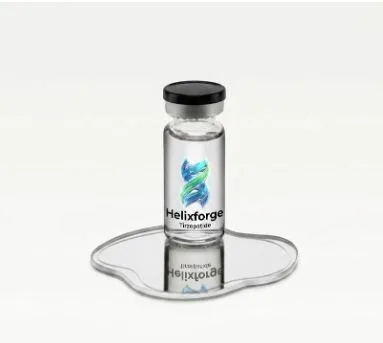
A research peptide that arrives with a 99.4% purity result can lose that integrity in days if stored incorrectly. Temperature fluctuations, moisture exposure, and improper reconstitution are the most common reasons a high-quality compound underperforms in the lab.
So to keep every Helix pure peptides you order still of high quality after delivery, this guide covers every storage step a Canadian researcher needs to follow.
Why Does Storage Matter as Much as the Compound Itself?
Storage conditions directly affect compound stability, and compound stability directly affects research results. A peptide that has degraded before it reaches the assay will produce unreliable data regardless of its original purity.
Most research peptides are supplied in lyophilized form, freeze-dried to remove moisture and extend shelf life. That process preserves the compound during transit, but once it arrives at the laboratory, the researcher is responsible for maintaining the conditions that keep it stable.
What Is the Correct Storage Temperature for Lyophilized Research Peptides?
The correct storage temperature for most lyophilized research peptides is -20 degrees Celsius or below. This is the standard for long-term storage of freeze-dried compounds used in laboratory research.
At -20 °C, molecular movement slows significantly, reducing the rate of chemical degradation. Some compounds may tolerate short-term storage at 2 to 8 degrees Celsius if they will be used within a short window, but freezer storage is the correct default. When in doubt, store it colder.
Does the storage temperature differ between compound types?
Some compounds are more temperature-sensitive than others. Growth hormone axis compounds, certain neuropeptides, and peptide blends may require stricter cold-chain handling than standard single-compound powders. The product documentation from Helix Pure Peptides will note any specific requirements. Always check before assuming standard conditions apply.
Why Are Moisture and Light the Two Biggest Threats to Peptide Stability?
Moisture and light are the two environmental factors that most consistently degrade research peptide compounds outside of temperature failure. Both accelerate chemical breakdown at the molecular level.
Moisture triggers hydrolysis, where water molecules break the peptide bonds holding the amino acid chain together. Even small amounts of ambient humidity can initiate this in an unsealed vial. Light, particularly ultraviolet light, can trigger oxidation reactions in certain peptide compounds, degrading specific amino acid residues.
How should storage containers protect against both?
- Keep all lyophilized peptides in their original sealed vials until reconstitution
- Store vials in an opaque container or wrap in foil if the freezer receives light exposure
- Never leave vials open or unsealed between uses
- Use desiccant packs in the storage container if the freezer has a humidity problem
- Avoid storing near the freezer door, where temperature and humidity fluctuate
How should freeze-thaw cycles be managed?
Each time a frozen compound is thawed and refrozen, the peptide bonds weaken slightly. Reconstitute only the volume needed for immediate use, and divide reconstituted solutions into single-use aliquots for multi-dose studies. This keeps the bulk compound undisturbed in the freezer until needed.
How Should Helix Pure Peptides Be Reconstituted for Research Use?
Reconstitution means adding a solvent to a lyophilized powder to create a solution ready for research use. The standard solvent for most research peptides is bacteriostatic water, which is sterile water preserved with a small amount of benzyl alcohol that inhibits bacterial growth in the solution after opening.
Step-by-step reconstitution for lab use:
- Allow the vial to reach room temperature before opening.
- Clean the rubber stopper with an alcohol swab.
- Add bacteriostatic water slowly along the inside wall. Do not inject directly into the powder.
- Swirl gently until the powder dissolves. Do not shake.
- Label the vial with compound name, batch number, concentration, reconstitution date, and researcher initials.
- Store the reconstituted solution at 2 to 8 degrees Celsius and use within the timeframe in the compound documentation.
How Does Helix Pure Peptides Support Proper Storage From the Point of Shipment?
Peptideforge ensures compound integrity begins before the researcher opens the package. Cold-chain protocols are applied to temperature-sensitive compounds at dispatch, maintaining conditions during transit to research facilities across every Canadian province.
Here is what Helix Pure Peptides provides to support proper lab storage from day one:
- Cold-chain packaging on temperature-sensitive compounds at dispatch
- Batch-specific CoA issued before the compound ships, including any handling requirements
- Independent third-party testing confirms 99%+ purity at time of shipment
- Ships to qualified researchers across every Canadian province with delivery timelines confirmed at checkout
Conclusion
Proper storage is not a secondary concern. It is the step that protects everything the supply process delivers. Helix Forge ships every compound with documentation and cold-chain protocols researchers need, ensuring quality holds from delivery through to the final assay.
Frequently Asked Questions
What temperature should lyophilized research peptides be stored at?
Most lyophilized research peptides should be stored at -20 degrees Celsius or below. Short-term storage at 2 to 8 degrees Celsius is acceptable for brief windows, but freezer storage is the correct default for any compound not in active use.
Can research peptides be stored at room temperature?
No. Room temperature accelerates degradation through heat and humidity. Even a few days at room temperature can reduce compound stability. Always return compounds to cold storage immediately after use.
What solvent should be used to reconstitute lyophilized research peptides?
Bacteriostatic water is the standard solvent for most research peptide reconstitution. It is sterile and contains benzyl alcohol that inhibits bacterial growth after opening. Always verify the reconstitution recommendation in the compound documentation before proceeding.
How many times can a reconstituted peptide solution be frozen and thawed?
Repeated freeze-thaw cycles progressively degrade peptide compounds. Divide reconstituted solutions into single-use aliquots to avoid refreezing the bulk. Consult the CoA documentation for compound-specific guidance.
Does Helix Pure Peptides ship temperature-sensitive compounds with cold-chain packaging?
Yes. Cold-chain protocols are applied at dispatch. Delivery timelines and cold-chain requirements are confirmed at checkout based on the destination province.