How Slender Me Medical Uses PRP and Microneedling for Skin Rejuvenation
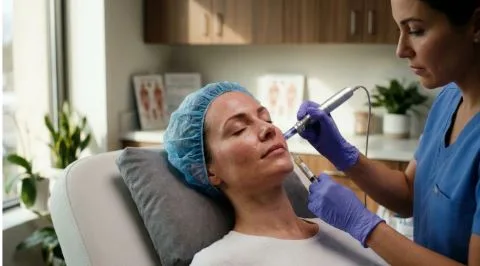
PRP and microneedling appeal to patients who want skin rejuvenation without immediately choosing injectables, lasers, or more intensive resurfacing. The treatment focuses on skin quality itself, including texture, tone, fine lines, acne scars, and facial plumpness.
Slender Me Medical offers PRP and microneedling treatments at its aesthetics and wellness centers in Corona, California, and Scottsdale, Arizona. For patients comparing skin rejuvenation options, the main question is not whether PRP is trendy. The better question is whether the treatment fits the skin concern, downtime preference, and long-term care plan.
What PRP and Microneedling Are Used For
Slender Me Medical describes PRP treatments as an option for younger-looking, rejuvenated skin. The clinic lists uses that include diminishing wrinkles and fine lines, minimizing acne and acne scars, evening skin tone, increasing facial plumpness, and supporting hair re-growth.
Microneedling is often paired with PRP because it creates controlled micro-channels in the skin. These tiny channels support the skin’s natural repair response and give the PRP a pathway to reach the treated area more effectively.
How Microneedling Supports Skin Renewal
Microneedling uses small, controlled punctures to trigger the body’s repair process. This process can support collagen and elastin production, which are closely tied to firmness, texture, and overall skin quality.
The goal is not to injure the skin aggressively. A professional treatment should use controlled depth, sterile technique, and a plan based on the patient’s skin condition. That level of control is one reason professional microneedling should not be treated as the same thing as at-home rolling tools.
How PRP Adds to the Treatment
PRP stands for platelet-rich plasma. It is prepared from a small sample of the patient’s own blood, which is processed to separate plasma with a higher concentration of platelets.
When applied during or after microneedling, PRP may support the skin’s natural healing and renewal process. Since the treatment uses the patient’s own plasma, it is often discussed with people who prefer a more natural-feeling approach to aesthetic care.
Which Skin Concerns May Fit This Treatment
PRP and microneedling are often considered when the concern is skin quality rather than facial volume alone. Patients may ask about the treatment when their skin looks uneven, dull, textured, or less firm than it used to.
The treatment may be discussed for:
- Fine lines and early wrinkles
- Uneven skin tone
- Rough or uneven texture
- Enlarged-looking pores
- Acne scars or mild textural marks
- Loss of facial plumpness
- General skin rejuvenation
- Hair re-growth concerns
These concerns still need a consultation before treatment. Some patients may be better suited for a peel, laser treatment, Morpheus8, injectables, or another option depending on the depth and type of concern.
How PRP and Microneedling Fit Among Other Skin Treatments
PRP and microneedling sit in a different lane from treatments that focus mainly on volume, muscle movement, pigment, or deeper remodeling. It is often discussed when the goal is to improve skin quality, including texture, tone, fine lines, acne scarring, and facial plumpness.
Slender Me Medical also offers treatments such as Morpheus8, laser services, peels, facials, Botox, and fillers, so patients do not have to guess which option fits from a service menu alone. A consultation can help determine whether PRP and microneedling is the right starting point or whether another treatment better matches the concern.
What to Expect During a Consultation
A PRP and microneedling consultation should start with the patient’s skin goals. The provider may ask whether the main concern is acne scarring, fine lines, dullness, uneven tone, pore appearance, facial plumpness, or hair re-growth.
Patients should also be prepared to discuss their skin history, current skincare products, recent procedures, medications, sun exposure, and sensitivity. These details help determine whether PRP and microneedling is appropriate or whether another treatment should be considered first.
Questions to Ask Before Booking Treatment
Patients get better guidance when they ask specific questions during the consultation. This is especially helpful when the clinic offers several aesthetic options that may appear similar from the outside.
Helpful questions include:
- Is PRP and microneedling appropriate for my main skin concern?
- How many sessions may be recommended?
- What changes should I realistically expect?
- How much redness or downtime should I plan for?
- Should I stop using retinoids, acids, or exfoliating products before treatment?
- How should I care for my skin after the appointment?
- Would a laser, peel, Morpheus8, or injectable treatment be more suitable?
- How will we decide whether to continue or adjust the plan?
These questions keep the consultation practical. They also reduce the risk of choosing a treatment because it sounds popular rather than because it fits the concern.
How PRP and Microneedling Compare With At-Home Microneedling
At-home microneedling rollers and professional microneedling are not equivalent. At-home tools cannot provide the same level of sterile control, treatment planning, needle-depth adjustment, or clinical assessment.
Professional microneedling is performed with equipment and technique intended for controlled treatment. PRP also requires proper blood collection and preparation, which cannot be replicated with a consumer device. Patients considering this treatment should avoid treating at-home tools as a lower-cost substitute for professional care.
What Results Should Patients Expect?
PRP and microneedling is usually a gradual treatment, not an instant transformation. Patients may notice temporary redness or sensitivity after treatment, followed by progressive improvement as the skin responds over time.
The visible outcome can vary based on the concern being treated, the number of sessions, skin condition, age, aftercare, and lifestyle factors. A patient treating mild texture concerns may have a different plan from someone addressing acne scars or facial plumpness.
What PRP and Microneedling Should Not Be Expected to Do
PRP and microneedling should not be treated as a replacement for every aesthetic treatment. It may support skin rejuvenation, but it is not the same as filler for volume restoration, Botox for expression lines, laser treatment for certain pigment or vascular concerns, or Morpheus8 for radiofrequency-assisted remodeling.
Patients with deeper wrinkles, significant skin laxity, prominent pigmentation, or more advanced scarring may need a different plan. Slender Me Medical’s consultation process gives patients a way to compare options before deciding which route fits their goals.
How to Prepare for a PRP and Microneedling Appointment
Preparation instructions should come directly from the clinic because every patient’s skin and health history are different. In general, patients should be ready to discuss current skincare products, recent sun exposure, active breakouts, recent cosmetic treatments, and any medications or supplements they take.
It can also help to arrive with a clear priority. A patient focused on acne scars may need a different treatment plan from someone focused on fine lines, facial plumpness, or overall glow.
Choosing the Right Skin Rejuvenation Plan
PRP and microneedling may fit patients whose main concerns include skin texture, tone, fine lines, acne scarring, facial plumpness, or general skin rejuvenation. It may also appeal to patients who want to explore an option that uses their own platelet-rich plasma as part of the treatment.
Patients in Corona, Scottsdale, or nearby areas can contact Slender Me Medical to ask whether PRP and microneedling is appropriate for their goals. A consultation can help compare available skin rejuvenation options and determine which treatment path fits the patient’s skin, schedule, and expectations.