How Small Adjustments in Technique Create Noticeable Changes on Stage
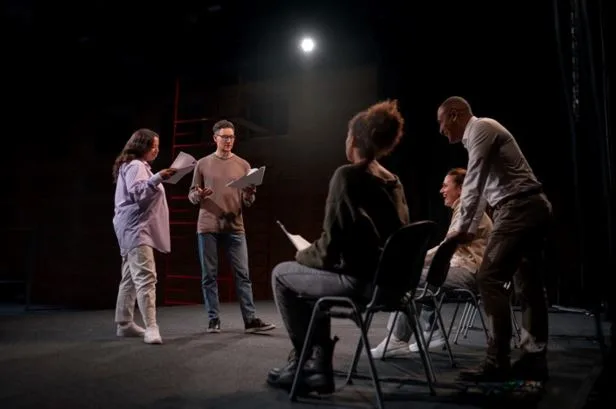
There is a moment that surprises almost every actor at some point in their training. Nothing major changes in the scene. The lines stay the same. The partner stays the same. The setting stays the same. And yet, something suddenly feels different. More real. More connected. More alive.
That shift rarely comes from a dramatic breakthrough. It usually comes from something much smaller. A slight adjustment. A different choice. A subtle change in attention.
Inside Acting classes Los Angeles, this is where real growth starts to become visible. Not through big, forced performances, but through small refinements that quietly transform how a scene plays out.
The Myth of “Doing More”
A lot of actors start with the idea that stronger acting means bigger effort.
- More emotion
- More movement
- More intensity
It feels logical. If something isn’t working, push harder.
But on stage, pushing usually shows. And not in a good way. It makes moments feel forced, like something is being demonstrated instead of lived.
In Actor classes, this becomes obvious over time. The actors who improve are not the ones doing more. They are the ones adjusting small things that remove effort instead of adding it.
A Tiny Shift in Focus Changes Everything
One of the first adjustments that creates visible change is where attention goes.
Early on, attention sits in the wrong place.
- Thinking about the next line
- Wondering how something looks
- Trying to “get it right”
Then comes a small correction. Attention moves outward.
- Listening to the other person
- Taking in what is actually happening
- Reacting instead of preparing
This is not a big, dramatic change. But it alters the entire feel of a scene.
In Good acting classes, this shift is practiced again and again until it stops feeling like a technique and starts feeling normal.
The Difference Between Reacting and Waiting
This one sounds subtle, but it shows up clearly on stage.
Some actors wait for their turn. Even if they are trying to stay engaged, there is a slight pause where nothing is really happening.
Others react in real time.
- Eyes stay active
- Body stays connected
- Responses happen without delay
The difference is small, but noticeable. One feels like a sequence of lines. The other feels like a conversation.
In Adult acting classes, this adjustment often creates one of the first real breakthroughs. Scenes stop feeling mechanical and start feeling alive.
Slowing Down Without Losing Energy
Speed can quietly ruin a scene.
Rushing through lines, jumping from moment to moment, filling silence too quickly. It usually comes from nerves or habit.
A simple adjustment helps.
Slow down just enough to let things land.
- Let a line finish before moving on
- Allow a reaction to settle
- Sit in silence for a second longer
This does not mean dragging the scene. It means giving it space.
In many LA acting classes best programs, this change alone can make a performance feel more grounded and controlled.
Cutting Out Unnecessary Movement
Movement feels natural, but not all movement helps.
- Shifting weight constantly
- Using hands too much
- Walking without purpose
These habits can go unnoticed by the actor, but they distract attention from the present moment.
A small adjustment changes that.
Reduce movement. Keep only counts.
Stillness can seem difficult at first. It can even feel like nothing is happening. But from the outside, it creates focus. It makes every action more intentional.
Dropping the Need to “Show”
A lot of early acting comes with a need to show emotion clearly.
Anger becomes louder. Sadness becomes heavier. Happiness becomes exaggerated.
It’s understandable, but it doesn’t feel real.
A small adjustment here makes a huge difference.
Stop trying to show the emotion. Let it happen instead.
- Trust the situation
- Trust the moment
- Allow reactions to come naturally
In Good acting classes, this shift often changes everything. Performances become quieter, but more believable.
Breaking Repeated Patterns
Every actor has habits.
- Same tone in different scenes
- Same reactions to different situations
- Same pacing, regardless of context
These patterns feel comfortable, which is why they repeat.
Improvement starts when those patterns are noticed.
Then comes a small change.
- Trying a different pace
- Choosing a different reaction
- Holding back instead of pushing forward
In Actor classes, this process is slow but powerful. Each broken habit creates more flexibility in performance.
Why Simplicity Works Better
There’s a tendency to overcomplicate acting. Too many ideas, too many rules, too much analysis.
Some older approaches to acting training add to this confusion. They push actors into overthinking or forcing emotional states instead of staying connected to what is actually happening.
A simpler approach tends to work better.
At Innovative Actor’s Studio, the focus stays on clear, usable adjustments. No unnecessary layers. No pressure to follow rigid systems that make the work feel mechanical.
This kind of training helps actors stay grounded, which is where real improvement happens.
Repetition Is Where It Settles In
Making a small adjustment once can improve a scene. But that does not mean it will stick.
It needs to be repeated.
- Trying the same adjustment in different scenes
- Seeing how it works with different partners
- Letting it become natural over time
In Adult acting classes, this repetition is what turns awareness into habit.
Without it, progress stays temporary. With it, progress becomes consistent.
Confidence Comes From Small Changes
Confidence does not arrive all at once. It builds quietly.
- A scene feels slightly easier than before
- A reaction happens without thinking
- A moment feels real instead of forced
These are small wins, but they matter.
In Acting classes Los Angeles, actors often don’t notice their own progress right away. Then one day, something feels different. The work feels more natural. Less effort, more clarity.
That’s where confidence starts to grow.
Final Thought
Noticeable changes on stage rarely come from doing something big. They come from adjusting something small.
A shift in focus. A moment of stillness. A slower response. A more natural reaction.
These changes don’t stand out when they are practiced. But they show up clearly in performance.
Inside Actor classes, the performers who concentrate on such minor details will keep improving. It is not because they work any harder; they simply work smarter.
And with time, this slight change ends up having far more importance than first realized.