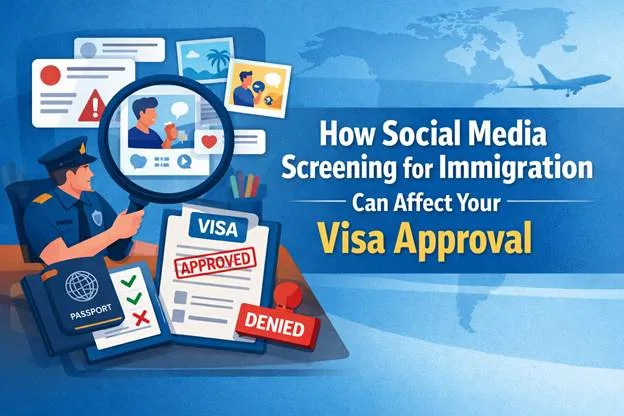
How Social Media Screening for Immigration Can Affect Your Visa Approval
Applying for a visa today is not just about paperwork. Your online activity can also become part of the review process. Many visa applications now require applicants to list their social media accounts. This means immigration officers may look at publicly available posts, comments, and profile details when reviewing an application.
Because of this, many applicants now perform a social media screening for immigration before submitting their visa documents. A short review of your social media activity can highlight posts that an automated system may interpret the wrong way. Looking through your profiles ahead of time can help avoid problems during the visa process.
Why Immigration Authorities Review Social Media
Immigration agencies now use online data during background checks. Social media allows officers to confirm identity, check credibility, and understand how a person behaves in public online spaces. Sometimes posts or profile details match the information written in a visa application. Other times, they may create new questions. In this review process, officers look at publicly available content as part of a wider background verification.
Key reasons immigration officers may review social media include:
- Checking if the person’s identity matches the information in their visa application
- Looking at job roles or education mentioned on social media accounts
- Observing behaviour, tone, and communication patterns in public posts
- Identifying posts that do not match claims made in the visa application
- Detecting content that may trigger security or rule compliance concerns
Here are a few things officers may notice when they check public posts. They may see updates that show a different job than the one written in the visa form. They may also notice harsh or rude language in comments. Sometimes people write about working in another country without proper permission.
Even normal posts can look different during a review. An AI system or reviewer might read the text without knowing the full story. If the message is unclear, it may raise questions about what the post really means.
Common Social Media Issues That Can Raise Visa Concerns
During a visa application social media review, some types of posts may catch attention. These posts do not always cause visa issues, but they can lead to extra questions.
Inconsistent Information
If a social media profile lists job titles, education, or location details that differ from the visa application, it may create confusion. Officers may try to understand which information is accurate.
Unprofessional Language
Posts containing insults, threats, or aggressive language can sometimes affect how an applicant is perceived. Professional tone matters, even on personal accounts.
References to Illegal Activities
Comments or jokes about illegal activities might look normal to friends, but a background review could see them in another way.
Statements Suggesting Unauthorised Work
Posts that mention hiring or job opportunities in another country may appear like plans to work without authorisation.
Controversial Political Content
In some cases, highly sensitive political statements may attract closer attention, particularly if they involve conflicts or extreme viewpoints.
How to Check Social Media Before a Visa Application
Preparing your digital presence is becoming an important step for many applicants. Before submitting a visa application, it helps to look at what others might find when they check your profiles.
Here are simple steps you can take:
- Scan your recent posts, comments, and shared updates across platforms.
- Verify profile details such as job titles, education history, and location.
- Find posts that might be misunderstood if someone reads them quickly.
- Search your name online to see what public information shows.
- Change privacy settings or remove content that might create confusion.
Some applicants want to check social media for visa approval risks before they apply. Certain services offer a social media background check tool that scans public posts and highlights potential concerns. These tools run a full scan of your online activity and help applicants review their profiles through the eyes of an outside system.
Why a Digital Footprint Audit Can Help Visa Applicants
Reviewing your social media activity manually can be helpful, but it is not always easy to see your online presence objectively. A structured immigration digital footprint audit analyses profiles, posts, and account behaviour to identify possible concerns before a visa application is submitted.
A digital footprint audit examines:
- Public posts and comments across social media platforms
- Profile information such as employment, education, and location
- Account activity patterns and posting behaviour
- Language tone used in public posts
- Consistency of identity across multiple platforms
Benefits include:
- Identifying posts that could be misunderstood during immigration screening
- Ensuring profile information matches visa application details
- Improving the professional appearance of social media profiles
- Understanding how public content might appear to reviewers
- Reducing avoidable risks before the visa interview stage
Conclusion: A Simple Check Can Protect Your Visa Application
Social media is now part of how immigration checks work today. Visa officers may look at public posts, profile details, and online activity during background screening. Reviewing your profiles before applying for a visa can help ensure your online activity supports your application rather than creating confusion. Think of it like running a quick digital check. Small fixes early can help your application look clear and consistent.