How Stone Crushing Plants Support Modern Construction Projects
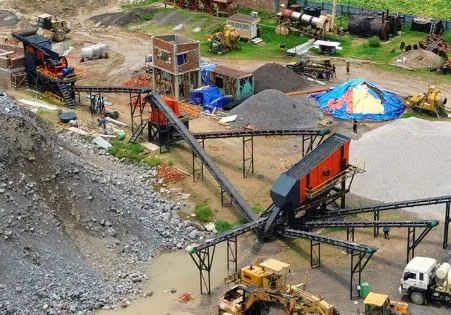
Construction has changed a lot over the years, but one thing has remained constant: reliable raw materials are essential for almost every project. Roads, bridges, buildings, drainage systems, and industrial facilities all require aggregates in different sizes and forms. Before these materials can be used, larger pieces of rock often need to be processed into usable sizes. This is where crushing equipment plays an important role.
A well-designed stone crusher plant can turn large rocks into different types of aggregates that are suitable for construction and other industrial applications. Depending on the type of material and the final product required, a crushing setup may include several machines working together to complete the process efficiently.
What Is a Stone Crushing Plant?
A stone crushing plant is a collection of equipment designed to process rocks and other hard materials. Raw stones are fed into the system, where they are gradually reduced in size through different crushing stages. The resulting material can then be screened and separated according to size.
A typical setup may include a primary crusher, secondary crusher, vibrating screens, conveyors, feeders, and supporting equipment. Not every project requires the same combination of machines. The right configuration depends on factors such as the type of rock, required output, desired aggregate sizes, and available operating space.
The main advantage of using a complete plant is that the different stages can work together as one system. This can make material handling more organized and reduce the amount of manual work involved.
Why Crushing Equipment Matters
Raw rocks are rarely ready to use immediately. Construction projects usually require aggregates with specific sizes and characteristics. A suitable stone crusher helps break down oversized material into manageable pieces while allowing operators to produce the sizes needed for a particular application.
For example, road construction may require several aggregate sizes for different layers of the road. Concrete production also depends on properly sized aggregates because particle size can affect the overall characteristics of the mixture. Crushing equipment therefore has an important role before these materials reach the next stage of production.
The quality of the final material can also depend on the crushing process. Properly selected equipment can help produce more consistent output and reduce unnecessary waste.
Choosing the Right Equipment
There is no single crushing machine that works perfectly for every application. Different crushers are designed for different materials and stages of processing.
Jaw crushers are commonly used for primary crushing because they can handle large pieces of hard material. Cone crushers are often used for secondary or tertiary crushing when a more controlled product size is required. Impact crushers may be useful when the application calls for a particular shape or when processing certain types of softer materials.
The selection process should consider more than just the purchase price. Operators also need to think about production capacity, maintenance requirements, energy consumption, replacement parts, and the characteristics of the material being processed.
The Importance of Proper Plant Design
Plant design can have a major effect on daily productivity. Even high-quality equipment may not perform efficiently if the machines are poorly positioned or if material has to travel unnecessarily long distances between processing stages.
A sensible layout considers how raw material enters the facility, moves through each crushing stage, reaches the screening section, and eventually leaves as finished aggregate. Conveyors can help automate material movement and reduce the need for repeated handling.
Space, access for maintenance, dust control, drainage, and worker safety should also be considered during the planning stage. A little additional planning before installation can prevent operational problems later.
Maintenance Should Not Be Overlooked
Crushing equipment operates under demanding conditions. Rocks place considerable pressure on components, while dust and vibration can gradually affect machinery. Regular maintenance is therefore essential for keeping the system operating reliably.
Routine inspections can help identify worn parts before they cause larger problems. Operators may need to check belts, bearings, screens, liners, lubrication systems, and other components according to the manufacturer’s recommendations.
Replacing a relatively inexpensive component at the right time can sometimes prevent a much more expensive breakdown. Maintenance records can also help identify recurring problems and determine when certain parts are approaching the end of their useful life.
Improving Efficiency Through Better Planning
Efficiency is not simply about producing more material in less time. A productive crushing operation should also minimize unnecessary downtime, excessive fuel consumption, material loss, and avoidable maintenance costs.
Operators can improve performance by monitoring the feed size, adjusting crusher settings appropriately, keeping conveyors properly maintained, and ensuring that screens are working correctly. Consistent feeding is particularly important because sudden changes in material flow can affect the performance of the entire system.
Training operators also makes a difference. People who understand how the equipment works are generally better positioned to recognize unusual sounds, vibrations, blockages, or changes in output before they develop into serious issues.
Where Stone Crushing Is Used
Crushed stone is used across a surprisingly wide range of industries. It is commonly found in road bases, concrete mixtures, railway construction, drainage applications, landscaping, and various infrastructure projects.
In large construction projects, the demand for aggregates can be substantial. Having a dependable crushing and screening process allows businesses to produce materials according to project requirements instead of relying entirely on externally supplied aggregates.
For companies researching equipment options and complete crushing solutions, www.uniquemacglobal.com can also be explored as a source of information about machinery and related applications.
Looking Ahead
As construction and infrastructure projects continue to grow, efficient material processing will remain important. Modern crushing systems are increasingly focused on improving productivity while making maintenance, energy use, and material handling more manageable.
The best results usually come from treating the crushing operation as a complete system rather than focusing on a single machine. Equipment selection, plant layout, regular maintenance, operator training, and material management all contribute to reliable performance.
Ultimately, the purpose of a crushing plant is straightforward: take difficult-to-handle raw material and transform it into useful, consistently sized aggregate. When the equipment is properly selected and managed, this process can become a dependable part of a modern construction supply chain.