How Storage Solutions Are Evolving for Apartment and Urban Living
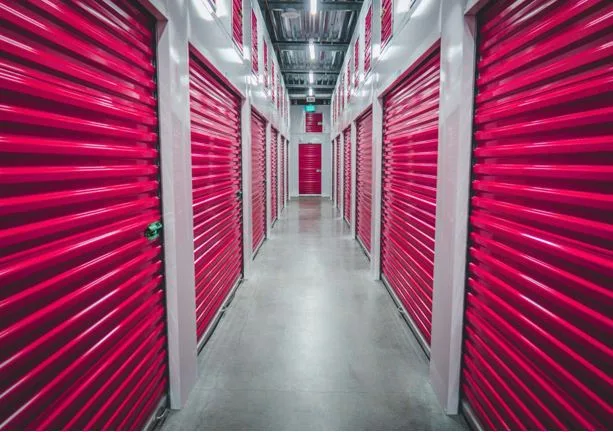
As cities continue to grow and more people choose apartment living or compact homes, making the most of limited space has become a top priority. Residents in urban environments often confront challenges such as small closets, narrow hallways, and multifunctional rooms that serve as living spaces, home offices, and storage areas all at once. To meet these needs, new approaches to organizing and storing belongings are rapidly evolving. One company responding to these modern demands is WheeKeep, which offers versatile storage solutions designed to help urban dwellers make efficient use of their space.
The rise of multiuse and modular storage reflects a broader shift in how people think about interiors: no longer just places to live, but adaptable environments that support changing routines and lifestyles.
The Urban Space Challenge
Apartment living often involves compromises. While urban settings provide access to culture, transit, and community, they typically offer less square footage than suburban homes. Everyday items like seasonal clothing, sporting equipment, or bulky electronics can quickly overwhelm small closets and under-bed spaces. This reality drives demand for smarter storage systems that not only hide clutter but also preserve accessibility and aesthetic appeal.
In the past, many storage solutions prioritized function over form: cardboard boxes, plastic bins, and standalone shelving units that often look out of place in a well-designed room. Today’s consumers expect solutions that blend seamlessly with their décor while maximizing capacity.
Modular and Multifunctional Storage
One major trend in storage design is the rise of modular and multifunctional pieces. Unlike traditional fixed shelving, modular systems can be reconfigured to suit different needs, making them ideal for renters and frequent movers. These systems allow users to adjust height, width, and layout in response to changing belongings and living arrangements.
For example, a shelving unit in a living room might double as a room divider, while the same sections can later be repurposed to organize cleaning supplies or office essentials. Multifunctional storage supports fluid living, transforming spaces without costly renovations or permanent installations.
Customization and Personalization
Urban residents increasingly want storage that reflects both their needs and personal style. Customizable options allow individuals to choose finishes, colors, and configurations that complement their interiors. This trend underscores a larger shift away from purely utilitarian storage toward solutions that contribute to a space’s visual harmony.
By choosing elements that match flooring, wall colors, and furniture, residents can make storage feel like an intentional part of their interior design rather than a necessary afterthought.
Maximizing Vertical Space
In compact environments, vertical storage is essential. Tall shelving units, wall-mounted racks, and overhead cabinets help use the often-underutilized upper portions of rooms. This approach not only frees up floor space but also draws the eye upward, making rooms feel larger and less cluttered.
Products that allow easy access to higher areas without ladders or stools, such as step-friendly integrated racks, are especially valuable in apartments with high ceilings but limited floor room.
Hidden and Dual-Purpose Solutions
Another evolving category in apartment storage is hidden or dual-purpose solutions. Furniture that conceals storage, such as ottomans with lift-top compartments, beds with built-in drawers, and benches with interior shelving, adds capacity without overtaking valuable floor space.
Dual-purpose designs transform everyday items into storage opportunities. A coffee table might open to reveal baskets for blankets, or a stylish trunk can hold extra linens while serving as seating. These innovations keep belongings out of sight while maintaining a clean, uncluttered look.
Creative Small-Space Hacks
Urban dwellers also embrace creative and do-it-yourself storage hacks that make use of unexpected spaces. Over-the-door organizers, magnetic strips for metal tools or accessories, and pegboards that turn walls into custom organization systems are examples of simple yet impactful solutions. These strategies help residents adapt to unique layouts and maximize their usable areas without major investments.
The Role of Technology in Storage
Technology is playing a growing role in how people manage their belongings. Apps that help catalog items stored in out-of-sight spaces make it easier to find what you need without digging through boxes. Smart furniture with built-in charging stations, lighting, or adjustable configurations enhances both convenience and usability.
Digital tools that support inventory tracking and spatial planning help residents visualize their storage needs before purchasing units or rearranging furniture. These tools provide a layer of efficiency previously available only to interior design professionals.
Sustainability and Durable Solutions
There is also an increasing focus on sustainability in storage design. Consumers are seeking durable materials that withstand frequent use and reduce the need for replacement. Sustainable wood, recycled metals, and eco-friendly finishes appeal to environmentally conscious buyers who want long-lasting storage that aligns with broader lifestyle values.
This growing preference for quality over disposability reflects a shift toward thoughtful consumption. Rather than repeatedly buying low-cost, short-lived storage boxes, many urban residents now invest in pieces that endure through apartment changes and life stages.
Design Trends and Aesthetic Integration
Storage solutions no longer need to be hidden away; contemporary design embraces storage as an integral part of interior style. Minimalist open shelving, floating cabinets, and coordinated storage units blend seamlessly with modern décor themes. Whether the design leans toward industrial, mid-century, or Scandinavian aesthetics, storage pieces complement existing elements rather than disrupting them.
This integration helps maintain a sense of calm and order, even in rooms with lots of activity and possessions. Thoughtful storage becomes part of the visual language of a space rather than a necessary burden.
A Holistic Approach to Urban Living
As apartment living continues to rise, storage solutions are evolving to support complex lives and multifunctional spaces. Beyond merely holding items, today’s storage products contribute to comfort, functionality, and aesthetic coherence. From modular systems to smart technology and sustainable materials, innovations in storage reflect changing priorities among urban residents.
By combining practical design with thoughtful integration, modern storage options help transform compact spaces into organized, comfortable homes that adapt to the people living in them.