How Style3D Studio Is Transforming 3D Fashion Software for Modern Garment Design
The Fashion Industry Is Entering a Smarter Digital Era
Fashion design has always balanced creativity with precision. A strong idea may begin with a sketch, a mood board, or a fabric swatch, but turning that idea into a production-ready garment often requires rounds of sampling, repeated adjustments, and constant coordination across teams. That traditional process can be inspiring, but it can also be slow, expensive, and difficult to scale.
This is where digital tools are reshaping the industry. Today, brands and independent designers are looking for systems that help them move faster without losing control over fit, texture, movement, or visual quality. They want a workflow that supports creativity while reducing waste and shortening development cycles. Style3D Studio has emerged as a valuable answer to that need.
Rather than treating design and production as separate stages, this platform brings them closer together. It allows teams to visualize garments earlier, refine patterns with greater confidence, and test ideas before physical samples are made. For modern fashion businesses, that shift is more than a technical upgrade. It is a smarter way to create.
What Makes Style3D Studio Stand Out
Style3D Studio is designed to support the full digital clothing workflow, not just isolated design tasks. That matters because fashion development rarely moves in a straight line. Designers, technical teams, merchandisers, and manufacturers all need access to clear visual and structural information at different stages.
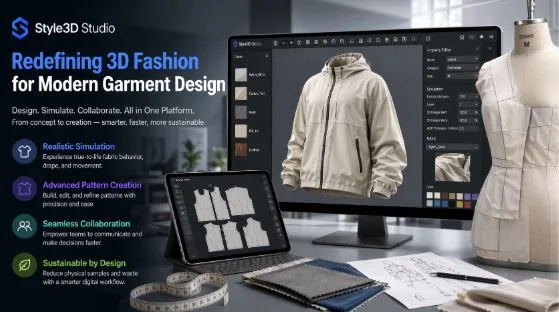
Instead of forcing teams to jump between disconnected tools, Style3D Studio brings core functions into one environment. It supports garment design with realistic visualization, detailed pattern work, and advanced simulation that helps garments behave more like they would in real life. This makes it easier to evaluate drape, fit, shape, and movement before a physical piece is produced.
One of the most compelling strengths of the platform is how naturally it supports both artistic and technical goals. A designer can explore silhouettes and details, while a pattern maker can assess construction logic and fit adjustments in the same digital space. That shared visibility helps reduce confusion and speeds up decision-making.
In practical terms, this means fewer surprises later in the process. When a garment looks convincing on screen and behaves realistically in motion, teams can move forward with more confidence.
Why 3D Tools Matter More Than Ever in Garment Design
The pressure on fashion brands has changed dramatically in recent years. Consumers expect newness, faster launches, and more personalized products. At the same time, brands face rising costs, tighter timelines, and growing pressure to reduce material waste.
That combination has made 3D fashion software increasingly important. It is no longer just a trend or an experiment for innovative studios. It has become a practical business tool for companies that want to stay competitive.
Traditional sampling often creates delays because every adjustment can require another physical prototype. Even small changes to fit, seam placement, or fabric choice may create extra rounds of development. With a 3D-first workflow, many of these decisions can happen digitally.
The real advantage is not speed alone. It is clarity. Teams can see what they are making earlier, communicate more effectively, and correct problems before they turn into expensive mistakes. That is why platforms like Style3D Studio are gaining attention across the industry.
How Realistic Simulation Improves Decision-Making
One of the biggest challenges in digital fashion has always been realism. If a garment looks flat, stiff, or inaccurate on screen, teams cannot fully trust what they see. Good simulation changes that.
Style3D Studio gives users the ability to build garments that respond more naturally to form and movement. That means designers can study how fabric falls, how volume behaves, and how certain construction choices influence the final look. This level of realism is especially valuable when working with layered garments, structured pieces, or designs where movement plays an important role.
Simulation also helps teams answer practical questions early:
- Does the garment drape as intended?
- Does the silhouette hold its shape from multiple angles?
- Are there tension points that suggest fit issues?
- Will the design still look strong in motion, not just in a static pose?
These insights matter because they reduce guesswork. Instead of relying only on flat drawings or imagination, teams can review a much more lifelike representation of the final product. That leads to faster approvals and better design decisions.
A Better Workflow for Pattern Creation and Adjustment
Pattern creation is at the heart of garment development. No matter how beautiful a concept looks, it still has to be built properly. A strong digital platform must support that technical side with the same seriousness it gives visual presentation.
Style3D Studio does this by allowing pattern work and garment visualization to function together. This is especially useful because changes to a pattern often need to be understood visually right away. A slight shift in line, shape, or measurement can affect fit, balance, and overall appearance.
In older workflows, a team might adjust a pattern, wait for a sample, and only then discover that the change created a new problem. With digital development, those iterations can happen more fluidly. Users can test, review, and refine without waiting for each change to become a physical sample.
This integrated approach supports:
- Faster pattern revisions
- Better communication between design and technical teams
- More confidence in fit development
- Reduced reliance on repeated sample rounds
For brands that manage multiple collections or large product ranges, those efficiencies add up quickly.
The Value of Digital Collaboration Across Teams
Fashion development is rarely handled by one person. It is a collaborative process, and that collaboration is often where delays begin. When one team works from sketches, another from spreadsheets, and another from physical samples, misalignment becomes almost inevitable.
A digital platform helps solve that problem by giving everyone a clearer reference point. When garments are developed in a shared visual system, the conversation becomes more specific. Teams can point to details, review adjustments, and discuss changes using a common understanding of the product.
This is where the phrase Style3D Studio, 3D fashion software, garment design, simulation fits naturally into the broader conversation. It reflects the way the platform combines visual design, technical structure, and realistic testing in one connected process rather than treating them as separate tasks.
That connection improves collaboration in several ways. Designers can present ideas more clearly. Developers can flag construction issues earlier. Product teams can review styles with stronger confidence. Manufacturers can receive more accurate guidance before production begins.
In a fast-moving industry, clarity is a competitive advantage.
Supporting Sustainability Through Smarter Development
Sustainability in fashion is often discussed in broad terms, but some of the most meaningful improvements happen during product development. Every unnecessary sample, rushed revision, and preventable production mistake has a cost. That cost includes time, money, energy, and materials.
By helping teams make better decisions earlier, Style3D Studio supports a more responsible way of working. When fewer physical samples are needed, waste can be reduced. When teams identify issues before production, there is less rework. When a design is reviewed thoroughly in digital form, approval becomes more efficient.
This does not mean digital tools solve every environmental challenge in fashion. However, they can play a meaningful role in building more thoughtful workflows. Reducing trial-and-error sampling is one of the clearest practical steps a brand can take.
For companies that want innovation to align with responsibility, digital garment design offers a strong foundation.
Why Modern Brands Are Paying Attention
The appeal of Style3D Studio goes beyond visual polish. Brands are drawn to it because it solves real workflow problems. It helps creative teams move with more freedom while giving technical teams better control. That balance is essential in modern garment design.
Today’s fashion businesses need tools that do more than create attractive digital images. They need systems that support product development from concept to review. They need reliable simulation, flexible pattern handling, and workflows that adapt to speed without sacrificing quality.
Style3D Studio responds to those needs by making digital fashion more practical, more collaborative, and more realistic. For emerging designers, it opens the door to professional-quality development with fewer barriers. For established brands, it offers a way to modernize operations and reduce inefficiencies that have long been accepted as normal.
As fashion continues to evolve, the brands that work smarter will stand out. Digital design is no longer just about keeping up with change. It is about building a stronger process from the beginning. Style3D Studio shows how that future is already taking shape, one garment at a time.