How Technology Enables Everyone to Become a Citizen Scientist

Introduction: From Ordinary Sightings to Scientific Discovery

The morning chorus of birds outside your window is no longer just background noise—it may conceal secrets of species migration, clues to climate change, or breakthroughs in behavioral ecology. With the proliferation of smart bird-watching cameras, ordinary people can now participate in cutting-edge scientific research. Willfine smart bird-watching cameras serve as a bridge, connecting backyard observations to global biodiversity conservation. This article delves into how its technological core supports diverse application scenarios and showcases evidence-based outcomes.
I. The Challenge: Limitations of Traditional Observation

Despite over 60 million bird enthusiasts worldwide (Cornell Lab of Ornithology, 2023), traditional observation methods face three major bottlenecks:

  • Fragmented Data: Manual records cover less than 5% of birds’ active time windows
  • High Identification Barriers: Distinguishing similar species (e.g., Phylloscopus warblers) requires professional expertise
  • Environmental Constraints: Extreme weather and remote areas hinder continuous monitoring

These limitations have long resulted in missing critical data (e.g., nocturnal behaviors, migration routes), impeding conservation effectiveness.

II. Empirical Results: Technologically Driven Ecological Insights

Globally, multiple projects have achieved breakthroughs through smart camera networks:

Case 1: Urban Bird Diversity Census in North America

A grid-based monitoring project in New York and Chicago deployed 10-15 Willfine cameras per square kilometer:

  • Efficiency Gain: A single camera recorded 120+ species annually (compared to 40 species via manual census)
  • Climate Response: 32% of birds adjusted foraging times in response to heatwaves
  • Public Participation: App users achieved 88% accuracy in species reporting

Case 2: East Asia-Australasia Flyway Research

Waterproof cameras (IP66 rating) deployed at key wetland and coastal sites:

  • Route Discovery: Identified 3 previously unknown migration branches, influencing reserve planning
  • Population Early Warning: Detected decline trends in Black-faced Spoonbills 6 months earlier than traditional methods
  • International Collaboration: Data sharing among Chinese, Japanese, and Korean research institutions transcended borders

Case 3: Ecological Education in African Schools

Simplified camera kits integrated into STEM curricula in Ugandan schools:

  • Learning Outcomes: Students’ species identification skills improved by 340%
  • Gender Equality: Girls’ participation in science projects rose from 17% to 52%
  • Community Impact: Parents recognized conservation values through student projects

III. Technical Support: Core Capabilities and Scenario Adaptability

Willfine’s technical architecture is optimized for ecological monitoring, built on four pillars:

1.Durability and Environmental Adaptability

Solar-optimized power supply combined with low-power design enables 6 months of continuous field operation. The IP66-rated waterproof housing operates in extreme temperatures from -20°C to 65°C , adapting to diverse terrains from tropical rainforests to high-altitude mountains.
2.Recognition Accuracy and Species Coverage

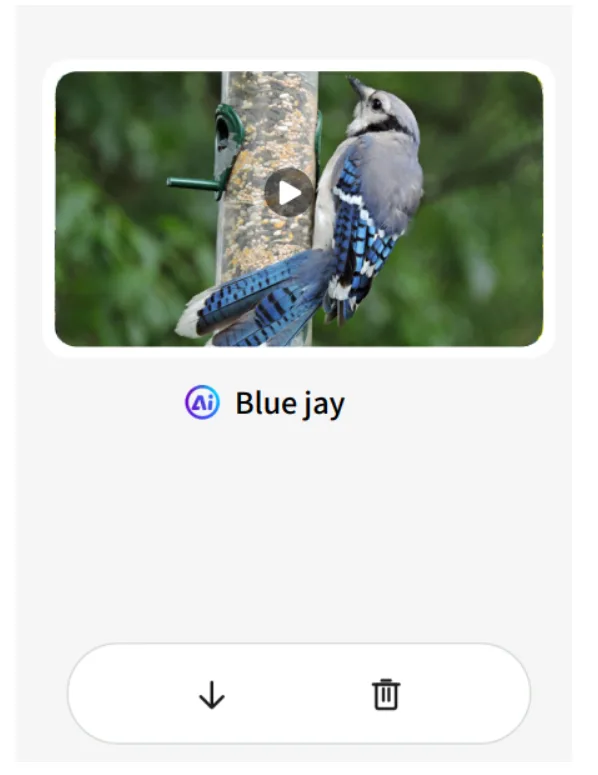
The AI recognition engine, trained on millions of images, accurately identifies 10,000+ bird and common wildlife species (Laboratory Test Report). The system specifically optimizes for distinguishing similar species, such as identifying Phylloscopus warblers through feather pattern details with over 95% accuracy.
3.Data Transmission and Connectivity

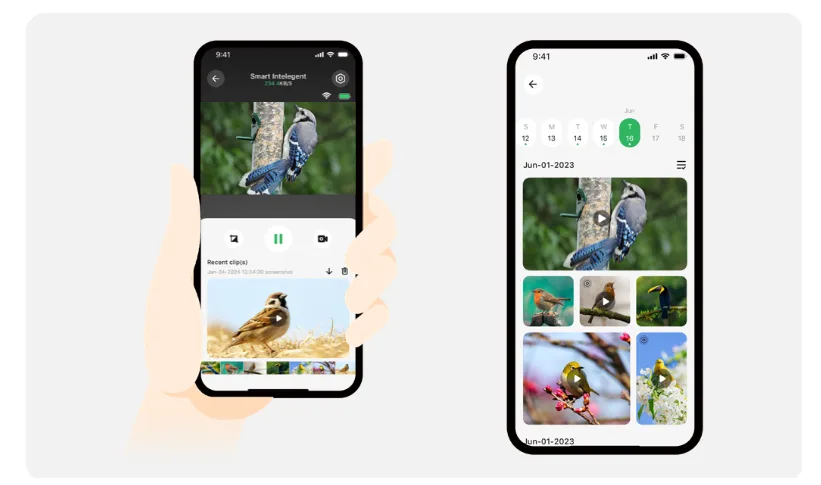
The innovative dual-mode transmission (4G + satellite) ensures data continuity in low-signal areas (Network Configuration Guide, Page 24). When 4G signal drops below -110dBm, the system automatically switches to satellite links, making it ideal for cross-border migration corridors and remote reserves.
4.Deployment Flexibility and User Experience

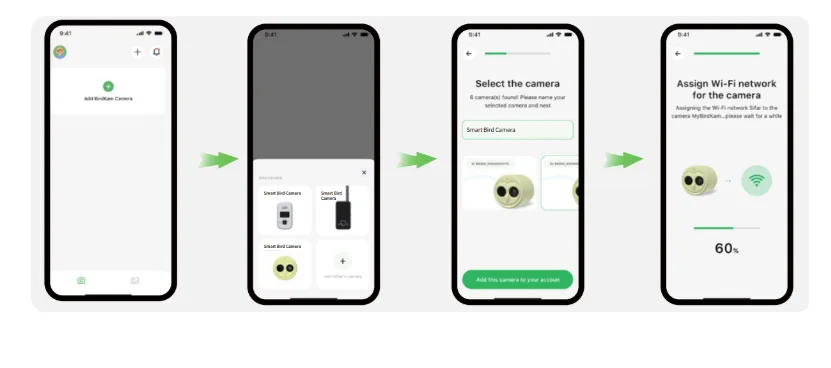
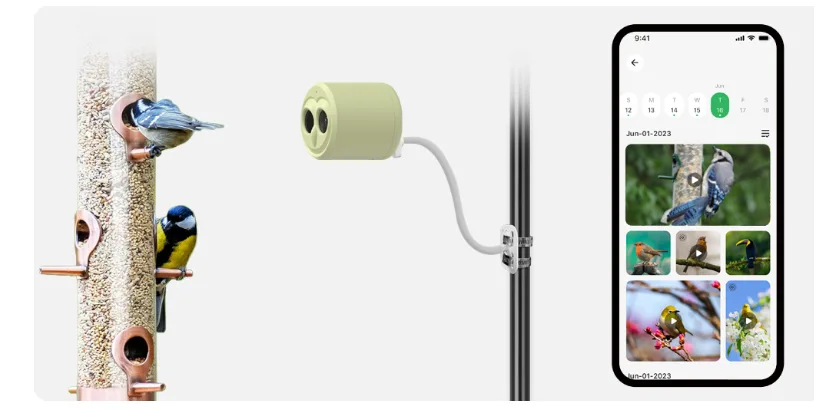
The modular design supports rapid deployment — a single person can set up the device in 10 minutes. With the smart mobile app, users can remotely adjust monitoring parameters, such as setting high-sensitivity detection during dawn and dusk bird activity peaks.
IV. Future Outlook: The Next Stage of Technological Evolution

Current capabilities are just the beginning. Key development directions for the next five years include:

  • Population Health Monitoring: Assessing animal health through posture recognition for early disease warnings
  • Carbon Sink Empowerment: Supporting carbon pricing through biodiversity data to attract green investment
  • Global Network Interconnection: Establishing cross-border data exchange protocols for real-time global tracking of endangered species

These advances will shift conservation from reactive responses to proactive predictions, ultimately achieving harmony between humans and nature.

Call to Action: Join the Citizen Science Network

You too can participate in this transformation:

  • Educational Institutions: Apply for free trial equipment for science curricula
  • Community Organizations: Form observation groups to contribute local data
  • Individual Enthusiasts: Download identification guides to enhance observation skills

Visit the Willfine for detailed deployment guidelines or join the global tester network.

Data Sources:

  • Cornell Lab of Ornithology, “2024 Birding Technology Report”
  • UNESCO “STEM Education Practice Guide”
  • Product Manual and Laboratory Test Data 

Similar Posts

  • How to Save Hours Every Month Using Smart Web Shortcuts

    In a world full of distractions and wasted time, learn how digital efficiency tools like free online calculators and practical web shortcuts are changing the game for professionals, students, and creators alike. Introduction: You’re Wasting More Time Than You Think Let’s be honest. You’re probably wasting hours each week on tiny, repetitive tasks you could…

  • Mesothelioma Attorney for US Navy Veterans: Legal Support for Veterans Exposed to Asbestos

    US Navy veterans face unique risks when it comes to asbestos exposure. Many sailors worked in shipyards, on naval vessels, or in maintenance and repair roles where asbestos-containing materials were common.Over time, exposure can lead to mesothelioma, a rare and aggressive cancer affecting the lining of the lungs, abdomen, or heart. For veterans diagnosed with…

  • Desk vs. Table: Understanding the Difference in Furniture Design

    At first glance, a desk and a table might seem interchangeable — both are flat surfaces supported by legs, both can hold your laptop, a cup of coffee, or even a stack of books. But in the world of furniture design, these two pieces serve very different purposes, both functionally and emotionally, in the spaces…

  • Online vs. In-Person Private Investigator Courses: What’s Best for You?

    Understanding Online Private Investigator Courses What Online Courses Are Online private investigator courses are structured training programs delivered through digital platforms rather than traditional classrooms. In Ontario, these courses are commonly used to introduce students to the foundational knowledge required for investigative work, while aligning with Canadian laws, privacy standards, and professional expectations. Delivery formats…

  • Millions stay, but the young are leaving – Is New York losing its future?

    Change is the only constant, they say. And in our youth that feels truer than ever. We chase stability and freedom at the same time, always curious about what comes next. But in New York, that restless energy is showing up somewhere else: in the moving data. Fresh data from the U.S. Census Bureau’s American…

  • Psychology of Trust: How Hazem Altal Is Redefining Ethics in Global Hair Transplant Tourism

    Istanbul, Turkey – October 2025 – In an industry so often defined by before‑and‑after photos, Hazem Altal, Founder and CEO of UniquEra International Group, is drawing the spotlight back to what truly drives confidence in  medical tourism - trust. Under the umbrella of UniquEra International Group, Altal has spent over a decade building  patient-centred practices that reposition ethics and education as the core pillars of Turkey’s booming hair transplant sector. Understanding the Trust Gap Turkey remains the global leader in hair transplant tourism, performing over one million procedures every year, according to NPR Health (2025) . Yet many international patients still arrive uncertain about standards, outcomes, or authenticity. Hazem identifies this as what he calls the “trust gap” - the emotional distance between medical expertise and patient understanding.   “Most people don’t fear surgery,” says Hazem Altal. “They fear not being told the truth. Our mission is to close that gap through transparency, education, and empathy.” His focus aligns with globally recognised PR principles for medical communication - emphasising clarity and plain‑language education as building blocks of trust .​ Building Confidence Through Clarity At UniquEra International Group, trust is deliberately engineered into the treatment journey. Each patient’s path is built around informed decision‑making and emotional security rather than marketing promises. The process includes: - Trichoscopic and scalp‑health imaging before any diagnosis. - Personalised medical planning with realistic goals and clear limitations. - Medical expert‑led consultations in multiple languages to eliminate miscommunication. - Transparent pricing and written consent that clarify procedure scope and safety standards. - Ongoing aftercare, including PRP and routine progress check‑ins throughout recovery. This framework reflects Altal’s conviction that informed patients become empowered patients  and that long‑term trust outlasts short‑term promotion.  “Care should never be a mystery,” Hazem Altal explains. “When people fully understand their procedure, their expectations stay grounded - and their confidence grows.” Ethics Over Advertising Rather than competing on volume or social‑media visibility, UniquEra Clinic focuses on authenticity and ethical evaluation. Each method - Manual FUE Hair Transplantation, Sapphire FUE, or  DHI hair transplant - is determined solely by medical indication, not trend.  UniquEra’s multilingual support network ensures that international patients feel informed and  emotionally supported throughout their stay, prioritising psychological comfort alongside physical restoration.  “True VIP care isn’t about luxury hair transplant in Turkey or labels,” Hazem Altal notes. “It’s about being treated with honesty  and respect throughout your journey.” Redefining the Global Hair Transplant Standard As the global medical tourism market surges ahead, concerns about unlicensed providers and false advertising have grown. A 2025 PubMed study from Springer Nature warned that technician‑led centres and ‘assembly‑line’ operations pose a significant risk to patient safety . ​UniquEra Hair Transplant Clinic in Turkey…