How Terminal Operations Influence Liability Exposure Before a Truck Hits the Road
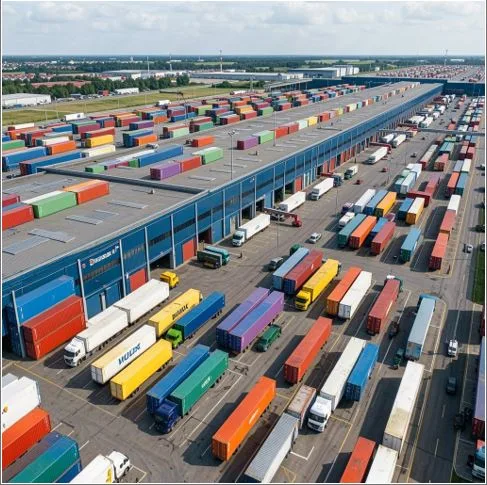
Terminal operations — loading, equipment staging, pre-departure inspections, and dispatch coordination — contribute to commercial trucking liability exposure before a vehicle reaches the highway. The consistency of terminal processes often shapes the operational conditions that follow throughout the trip.
In commercial trucking, liability exposure is typically associated with highways and road conditions. Traffic, weather, driver decisions, and lane characteristics are viewed as the primary factors affecting how liability develops. While these aspects are relevant, they do not capture the full transportation process.
Each transportation operation begins well before a truck reaches the road. The terminal is where freight arrives and is prepared to move, equipment is positioned, the load sequence is established, paperwork is verified, and the driver prepares for departure. All of these activities create the operational context for everything that follows.
STAR Mutual RRG provides commercial trucking liability coverage to fleets operating across varied conditions and territories.
The Terminal Is More Than Just a Loading Point
The primary function of a transportation terminal is to load and unload freight. In practice, it also serves as a coordination point where multiple processes converge in a relatively confined space.
Vehicles arrive and depart continuously. Yard staff manage equipment movement, warehouse personnel prepare freight for transport, dispatch adjusts schedules in response to changing delivery priorities, and drivers conduct vehicle inspections, verify paperwork, and prepare equipment for departure.
These activities appear separate but function as a connected sequence. Consistent coordination across these processes tends to support a more predictable transition from terminal operations to highway transportation. When these processes vary, operating conditions may differ significantly before the trip has begun.
Terminal Operations Carry Their Own Liability Exposure
Highway transportation involves relatively high speeds across open routes. Terminal operations involve a high volume of low-speed movements within a confined space.
Tractors, trailers, forklifts, service vehicles, and personnel operate in the same area simultaneously.
The operating environment differs substantially from highway transportation. Drivers perform repeated backing maneuvers, navigate narrow lanes, reposition trailers, and wait for loading instructions, all within an active and densely occupied space.
Although vehicle speeds are comparatively low, operational density is significantly higher than on most highway routes. Liability exposure in terminal environments develops through the density of interactions between equipment, people, and infrastructure — rather than through speed.
Small Delays in the Terminal May Affect the Whole Trip
Terminal activity sets the pace for what follows, since loading delays, trailer reassignments, and paperwork corrections in the yard can affect timing well into the trip.
Loading delays may reduce the time available for driving. Trailer reassignments may disrupt established routines. Yard congestion may affect departure timing. Paperwork corrections may delay departure by minutes or hours.
Each of these events may appear routine in isolation. Collectively, they may influence the course of the entire trip.
Why Terminal Structure Influences Operational Consistency
Terminal structure influences operational consistency because defined staging areas, traffic flow, and loading sequences reduce variability in how each trip begins.
Some use standardized staging areas, defined traffic flow, and scheduled loading sequences. Others manage freight more dynamically based on volume and customer priorities.
What matters operationally is consistency. When drivers, warehouse personnel, and dispatch teams share a clear understanding of how operations will proceed, the process becomes more predictable — regardless of changes in freight volume.
Predictability in terminal operations tends to support a smoother transition to highway transportation and reduces unnecessary variability in how each trip begins.
How Pre-Departure Communication Affects Operational Stability
Many aspects of a transportation operation depend on effective communication between departments before a vehicle leaves the terminal.
Dispatch instructions, schedule changes, trailer reassignments, customer requests, and documentation corrections all affect how a trip begins.
Effective information exchange tends to support clearer operational decisions. Fragmented communication may require additional adjustments later in the transportation process.
This is one reason why liability exposure depends not only on physical movement but also on the quality of operational coordination before departure.
How Terminal Decisions Shape Highway Operations
Many characteristics observed during highway transportation take shape in the terminal.
Departure timing, trailer selection, cargo load sequence, dispatch coordination, and lane planning all begin before the vehicle enters traffic.
Highway operations frequently reflect decisions made well before the truck reaches the road.
Conclusion
Terminal operations are the starting point of any transportation movement and an important part of how liability exposure develops in commercial trucking.
Considering terminal operations as part of the full operational picture supports a more complete understanding of how liability exposure develops across trucking businesses.
This article is for general informational purposes and does not constitute legal or insurance advice. Fleet operators should consult a licensed insurance professional regarding specific coverage needs.