How the Right Fabric Choice Shapes Your Design Success
Last month, I finished an evening dress that looked perfect on paper. Spent hours on the neckline alone. Made it up in what I thought was the right fabric, and… it was terrible. Just hung there like a sad curtain. The whole thing collapsed.
This keeps happening. Fifth time, maybe? And it’s always the same issue – wrong fabric. Doesn’t matter how good your pattern is if the material fights you. It’s like trying to paint with the wrong brush. Technically possible, just frustrating and disappointing.
Why Your Fabric Source Actually Matters
Nobody talks about this part when you’re learning design. Everyone focuses on sketching, draping, and construction. All important. But the supplier relationship? That affects everything, and nobody mentions it.
I used to just hunt for cheap fabric online. Save money, put it toward other stuff. Three failed collections later, I figured out that it was dumb.
Here’s what changed my mind. The client ordered a navy blazer. She loved it, wore it constantly, and told her friends. Six months later: “I need another one exactly like this.” Should be simple, right?
Except I’d bought that wool from some random site I found googling “cheap wool fabric.” Didn’t save any info. When I tried to find them again, the website was gone. Had to tell this client – who was basically free marketing for me – that I couldn’t remake her favorite piece. Really professional. (Not professional at all, actually.)
Or last year – rushing to finish pieces for a boutique show. Good opportunity. Fabric showed up three days late. No warning, just late. Pulled two all-nighters, still didn’t finish one piece properly. The boutique owner noticed. Didn’t say anything, but I could tell.
This stuff adds up. Not dramatic – you don’t lose everything overnight. Just slow erosion of your reputation and your sanity.
Designers, I know who actually pays rent consistently? They’ve all figured out the supplier thing. They know who to call. They trust that what they order will show up and be right. Boring compared to the creative work, but it’s what keeps you working instead of firefighting.
What Beglarian Fabrics Brings to Professional Designers
Found Beglarian Fabrics randomly through a friend at the coffee. “Oh yeah, I order from them now.” Needed fabric, checked them out.
Two years ago. Haven’t looked elsewhere much since.
First thing – the range is crazy. Everything. Wools, silks, technical fabrics, sustainable stuff, denim, knits. First time browsing, I kept thinking “oh, they have this too?” Having everything in one place actually makes you more creative because you’re not limited to what one specialized place stocks.
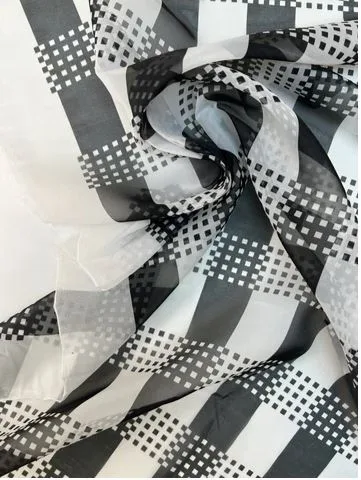
I actually discovered them while looking for organza. Was working on a project that needed overlay details – you know, that delicate transparent layer over a structured base. Beglarian Fabrics has this whole organza collection with different weights and finishes. Everything from crisp formal organza for structured evening wear to softer fluid versions for drapey overlays. Ended up ordering samples of five different organzas because each one had different properties – some held shape beautifully, others moved like water. Now I use their organza regularly for everything from bodice overlays to full skirt layers. The consistency across their organza range matters too – I can reorder the same weight months later, and it matches perfectly.
Real example: last spring, a client project. Capsule collection, pieces that work together. Needed four completely different fabrics. Structured cotton for blazers. Lightweight silk for blouses. Stretch denim. Knit that doesn’t look cheap.
Normally, I’d spend half a day coordinating shipments from different suppliers. Different checkout systems, shipping costs, and hoping everything arrives together. With Beglarian Fabrics – one cart. Everything showed up together, on time. Saved a week of headache.
Quality is consistent. Colors match samples. Sounds basic, but it’s not always guaranteed. That navy wool I mentioned? Found something similar through them, reordered months later for a different client – identical. Same weight, same hand, same color. That’s how it should work.
Their team knows fabrics. Called once about a fitted dress – needed structure but movement. They suggested ponte knit I hadn’t considered. Worked perfectly. Nice when you’re talking to people who understand materials, not just reading website descriptions.
Making Smart Fabric Decisions
My buying approach changed completely over the years.
Used to see something beautiful, just buy it. “This silk is gorgeous. I’ll figure it out later.” Or chase trends – everyone’s using textured linen, better get some. Didn’t think past that.
Now I’m more strategic. Not boring business-school strategic. Just “I’d like to finish projects and not waste money” strategic approach.
Build real relationships with suppliers. Talk to them. Ask about quality processes. Stock levels. What happens when orders have problems? If they can’t answer clearly, that tells you something. You want people who’ll be straight when things go wrong – and things will go wrong.
Price matters, obviously. But it’s not everything. Cheap fabric that arrives late or performs badly costs more in the end.
Learned this while lining up for a coat collection. Found a supplier offering 30% less than my usual. Seemed smart. Coats looked great when finished. Came back from the dry cleaner with puckered lining. Had to remake everything. That “savings” cost way more, plus looked unprofessional.
Always test before big orders. Obvious, right? But when you’re excited or rushing, it’s so easy to skip. I order samples for anything new now. Wash them. Press them. Drape them. Try a different construction. Extra time up front prevents disasters later.
Work with suppliers who have a good range. When developing ideas, I’ll request five or six sample fabrics to see what feels right. Access to a variety without juggling ten supplier relationships makes everything smoother. I can focus on designing, not supply chain management.
Building Consistent Design Quality
Talent and creativity matter. Obviously. But I’ve watched talented designers quit because they couldn’t figure out the systems part.
Fabric sourcing is one of those systems. Deserves real attention, not leftover energy after the fun, creative work.
Seen it too many times. Amazing ideas, beautiful sketches, great skills. But sourcing is chaos. Find incredible materials, but can’t source them next season. Work with suppliers who don’t understand timelines. Eventually affects the work. Clients get frustrated. Opportunities disappear. Designer burns out.
What works? Treat fabric sourcing as part of design from the start. Not an afterthought.
I know what Beglarian Fabrics stocks. What they can source specifically. Their timelines. That shapes how I design – I’m not creating things needing materials I can’t reliably get. Sounds limiting, actually freeing. Less chasing impossible materials, more making work.
Changes client relationships, too. When someone asks if I can make more or scale production, I give real answers. Not “probably” or “I think so” – actual answers based on knowing what my supplier delivers. That confidence makes a difference.
Bottom line: your supplier affects everything. What you design. Whether you deliver on time. Money was wasted fixing problems. Find people who understand professional work, stock quality stuff, and do what they say.
That’s what lets you focus on designing – the thing you got into this for – instead of constantly solving supply problems you shouldn’t deal with.