
How The Villages Residents Can Document Lost Independence After an Accident
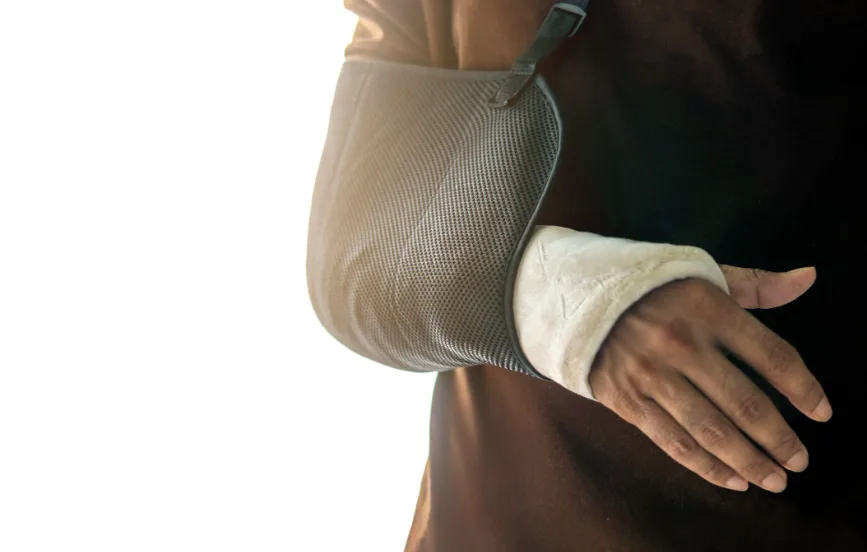
A crash on Buena Vista Boulevard or a fall outside a rec center can rearrange a retirement in a single afternoon. The broken wrist heals on schedule, yet the golf cart stays parked, the pickleball paddle sits in the closet, and a neighbor starts driving you to the pharmacy. Insurers pay for X-rays and surgery without much argument, since a bill states its own case. Proving what the injury took from the rest of your life falls to you.
Why Lost Independence Is Harder to Prove Than a Broken Bone
A fracture shows up on film, and a hospital statement carries a number anyone can read. The loss of driving yourself to church, carrying your groceries, or walking the dog at sunrise leaves no image behind. Insurance companies press hardest on exactly those losses, so many residents learn only after talking with The Villages personal injury lawyer that an ordinary Tuesday counts as evidence.
Age makes the problem sharper. An adjuster who sees a 76-year-old claimant with arthritis in the chart will argue that the slower walk and the sold golf cart came from time, not from the collision. Your answer has to be a record that shows what you were doing the week before the crash.
What Florida Law Counts as a Loss
State law names these losses plainly, so they are no stretch in a claim. Under Florida Standard Jury Instruction 501.2, a jury may award money for a bodily injury and the resulting pain and suffering, disability or physical impairment, disfigurement, mental anguish, inconvenience, and loss of capacity for the enjoyment of life. The instruction covers both what you have already lost and what you will keep losing.
A car or truck in the crash adds a gate you have to pass through first. Florida Statutes § 627.737(2) allows damages for pain, suffering, mental anguish, and inconvenience only when the injury involves significant and permanent loss of an important bodily function, permanent injury within a reasonable degree of medical probability, significant and permanent scarring or disfigurement, or death. Records showing a lasting change in what you can do give your doctor something concrete to work from.
Write Down the Life the Crash Interrupted
Start with the routine that existed before, because nobody else can rebuild it for you. Write out a normal week from last spring: golf Tuesday morning, water aerobics Thursday, the card game, the monthly drive to see your granddaughter play. Then collect whatever backs up that list so it does not rest on memory alone.
- Club rosters – league schedules, sign-up sheets, and standings that carry your name.
- Calendars – paper books or phone entries showing where you went each week.
- Photos – dated pictures from trips, dances, church events, and tournaments.
- Step counts – watch or phone data showing how far you used to walk daily.
Keep a Daily Record of What Changed
A notebook beats memory, and memory is what an adjuster will test a year from now. Write a few honest lines every day about what hurt, what you skipped, and who had to help you. Keep it factual and undramatic, because the other side may eventually read every page.
Track the help you now pay for or accept, since those jobs used to be yours alone. Save receipts for lawn service, house cleaning, rides, and grocery delivery, and note the date you sold a cart or handed over the car keys. Record the week you dropped a club membership or gave up a volunteer shift.
Bring In the People Who See You Every Day
Other voices carry weight precisely because those people gain nothing from your claim. Ask a neighbor, a golf partner, and your adult children to write short dated notes about what they watched change. Timing matters as much as content, because Florida Statutes § 95.11(4)(a) gives you two years from the date of injury to file a negligence lawsuit over a crash or fall that happened on or after March 24, 2023.
- Therapy notes – ask your therapist to record the tasks you cannot finish.
- Home evaluation – an occupational therapist can measure daily tasks in your house.
- Witness letters – short, dated, and limited to what the writer personally saw.
- Supervisor letters – confirmation of volunteer hours or duties you had to drop.
Independence Shows Up in the Small Things
Nobody takes notes on a good day, which is why proof of a changed life has to be built on purpose. The details that feel too small to mention, the handrail you now hold, the car keys you passed to a friend, explain an injury better than any bill ever will. Start the record now, keep it plain, and let the dates carry the argument later. When an insurer waves off your limits as ordinary aging, a Florida injury attorney can show you which gaps in the proof still need filling.