How Tissue Packing Machines Improve Packaging Speed and Efficiency
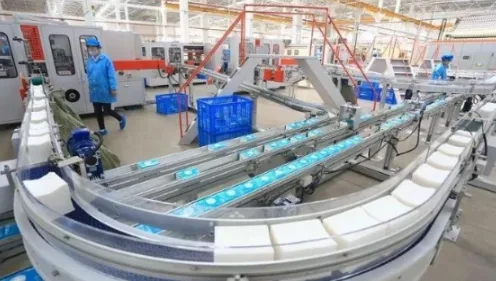
A tissue packing machine is designed to automate the packaging of tissue products for retail, commercial, and industrial use. Depending on the product type, these machines can fold, count, arrange, wrap, seal, and package tissues into different formats.
Automation is increasingly important for tissue manufacturers because packaging is one of the final stages before products reach distributors and customers. An efficient packaging system can help maintain consistent presentation, improve production speed, and reduce repetitive manual work.
What Is a Tissue Packing Machine?
A tissue packing machine is specialized equipment used to package products such as facial tissues, pocket tissues, napkins, toilet tissue rolls, and other paper-based products.
The exact machine configuration depends on the tissue product and required package format. Some systems are designed for individual packs, while others handle bundles or larger multipacks.
Modern equipment can integrate several operations into one production line, helping manufacturers create a continuous workflow from product feeding to finished packaging.
How the Machine Works
The packaging process normally begins when tissues are transferred from the production or folding line toward the packing section. Sensors and conveyors help control product movement and positioning.
The machine then places the required quantity into packaging material. Depending on the system, film may be folded around the product before heat sealing or another sealing method is applied.
Some machines also include coding and labeling functions. These can be used to add batch information, production dates, barcodes, or other required details.
Types of Tissue Products
Different tissue products require different packaging approaches. Facial tissues are often packaged in rectangular boxes or flexible film packs. Pocket tissues are usually folded into small individual packs that are convenient for carrying.
Paper napkins may be packaged in stacks or bundles, while toilet tissue rolls require packaging systems designed around cylindrical products.
Because product dimensions and folding patterns vary, manufacturers should select equipment specifically suited to their tissue type.
Benefits of Automation
One of the main advantages of a tissue packing machine is improved production efficiency. Automated equipment can perform repetitive packaging tasks at a consistent rate.
Automation can also reduce the amount of manual handling required during packaging. Consistent positioning and sealing can improve the appearance of finished products.
For manufacturers producing large quantities, automated packaging can help create a more predictable production workflow and reduce delays between manufacturing and distribution.
Packaging Materials
Tissue products can be packaged using different materials depending on the product and market requirements. Plastic films are commonly used for flexible tissue packaging, while cardboard is frequently used for boxed facial tissues.
The packaging material must be compatible with the machine’s sealing and forming system. Film thickness, package dimensions, sealing temperature, and product weight can all affect packaging performance.
Manufacturers should test packaging materials before starting large-scale production.
Choosing the Right Machine
Several factors should be considered when selecting equipment. The first is the type of tissue product being packaged. A machine designed for pocket tissues may not be suitable for toilet rolls or boxed facial tissues.
Production capacity is another important factor. Businesses should determine how many packages they need to produce per minute or hour.
Package dimensions, packaging material, automation level, available factory space, power requirements, and maintenance needs should also be evaluated.
Maintenance Requirements
Regular maintenance is important for reliable machine operation. Conveyors, sensors, sealing components, cutting systems, and other moving parts should be inspected according to the manufacturer’s recommendations.
Keeping the packaging area clean can also help prevent paper dust and debris from affecting sensors or moving components.
Operators should receive proper training so they can identify common issues and make approved adjustments safely.
Applications
Tissue packing equipment is used by manufacturers producing household tissues, facial tissues, napkins, pocket tissues, and other paper products.
Small businesses may choose compact or semi-automatic equipment, while larger factories may use fully automated production and packaging lines.
The appropriate configuration depends on product volume, packaging style, and production requirements.
Conclusion
A tissue packing machine helps manufacturers automate an important stage of tissue production. Depending on its design, the equipment can handle product feeding, counting, wrapping, sealing, and coding.
By choosing a machine that matches the tissue product, package format, production volume, and available packaging materials, businesses can develop a more efficient and consistent packaging operation.