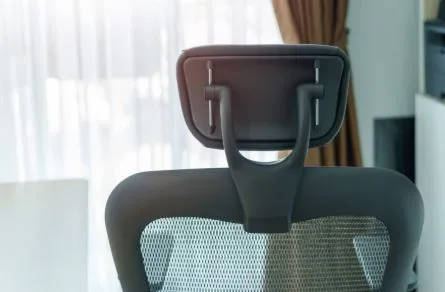
How to Adjust Your Ergonomic Chair Step-by-Step
Many professionals invest in a high-quality seat but still suffer from back pain because they do not set it up correctly. Simply buying the best ergonomic chair in Singapore has to offer is only the first step toward comfort. You must also learn how to calibrate the various features to match your unique body proportions. This guide provides a clear process to ensure you stop sitting in “good chairs” badly.
1. It Starts with Setting the Correct Seat Height
The foundation of a good sitting position begins with your feet and legs. You should adjust your seat height until your feet are flat on the floor and your knees are at a 90-degree angle. If your chair is too high, it puts pressure on the back of your thighs and reduces blood flow. If it is too low, it can cause your lower back to round painfully over time.
Having your feet firmly supported allows your legs to take some of the weight off your spine. If your desk is fixed at a certain height, you might need a footrest to keep this ideal alignment. Finding the best office chair in Singapore provides the necessary hydraulic range to accommodate different desk heights and user sizes. Proper height adjustment is the first move toward a pain-free workday.
2. It Provides Vital Support for Your Lower Back
The natural curve of your lower spine requires constant support to prevent slouching. Most modern chairs have a lumbar support feature that can be moved up, down, or forward. Position this support so that it fits perfectly into the small of your back. A back support ergonomic chair helps maintain the “S-shape” of your spine while you focus on your screen.
When your lower back is supported, your upper back and shoulders are less likely to lean forward. This reduces the strain on your neck muscles and prevents the common “tech neck” posture. You should feel the chair gently pushing your lower back forward without it being uncomfortable. This simple adjustment makes a massive difference in your long-term spinal health.
3. It Ensures Your Seat Depth Is Properly Calibrated
Many people forget to adjust the horizontal position of their seat pan. You should be able to sit with your back against the backrest while leaving a small gap between the edge of the seat and your knees. This gap should typically be about the width of two or three fingers. Proper seat depth ensures that your weight is distributed evenly across the cushion.
If the seat is too deep, it can cut off circulation at the back of your knees or pull you away from the lumbar support. If it is too shallow, your thighs will not have enough support, which puts extra stress on your hips. An ergonomic chair in Singapore often includes a sliding seat mechanism to help you find this perfect balance. Correct depth is essential for staying comfortable during long meetings.
4. It Corrects the Position of Your Armrests
Armrests are designed to take the weight off your shoulders and upper arms. You should adjust them so that your elbows are bent at roughly a 90-degree angle while your shoulders remain relaxed. If the armrests are too high, they will push your shoulders toward your ears. If they are too low, you will lean to one side, which tilts your spine.
The armrests should be close enough to your body so that your arms hang naturally by your sides. Many high-quality chairs allow you to pivot or slide the armrests inward for better support while typing. This prevents repetitive strain in your wrists and forearms throughout the day. Taking the time to line up your armrests will make your typing experience much more fluid and relaxed.
5. It Manages the Tension and Tilt of the Backrest
A static sitting position is actually quite tiring for the human body. Your chair should allow for a slight reclining motion to encourage dynamic movement while you work. Adjust the tilt tension so that the backrest supports you, but still moves back when you lean into it. This allows you to stretch your chest and change your view without losing support.
Moving your body while sitting helps keep your joints lubricated and your muscles active. Some users prefer a locked upright position for deep focus, while others like a free-floating mode for creative thinking. Understanding how to use the tilt lock and tension knob allows you to adapt the chair to your mood. A flexible backrest is a key feature of a truly professional home office setup.
Final Thoughts
Adjusting an ergonomic chair is a personal process that requires a few small tweaks. By following these five steps, you can transform a standard seat into a custom tool for your health. Remember that even the best chair requires you to stand up and stretch every hour. Proper adjustment combined with regular movement is the ultimate secret to a productive work-from-home lifestyle.
For those who need a better seating solution, the team at Tableholic offers a wide selection of professional options. Interested parties may browse their website to find high-quality seating products. Their specialists provide the necessary guidance to ensure every client learns how to set up their new chair for maximum comfort and support.