How to Apply Fertilizer Correctly for Faster Plant Growth
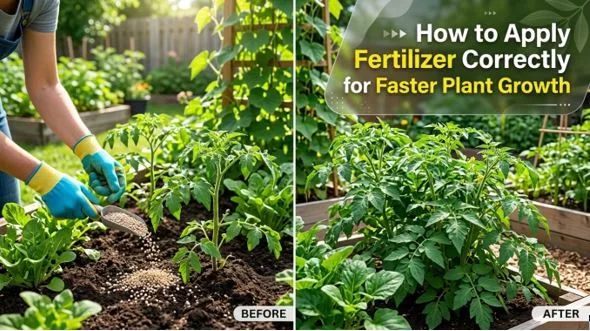
Plants need more than sunlight and water to thrive. Just like people require balanced nutrition, plants need essential nutrients to develop strong roots, lush foliage, and abundant flowers or fruits.
However, many gardeners unknowingly apply fertilizer incorrectly. Too little fertilizer can slow growth, while too much can damage roots and stress plants. Learning the right fertilizer application techniques can significantly improve plant health and growth rates.
In this guide, you’ll learn how to apply fertilizer correctly, choose the right product, avoid common mistakes, and maximize plant growth naturally.
Why Proper Fertilizer Application Matters
Fertilizers provide nutrients that may be missing from soil. The three primary nutrients are:
| Nutrient | Function |
| Nitrogen (N) | Promotes leafy growth |
| Phosphorus (P) | Supports root development and flowering |
| Potassium (K) | Improves overall plant health and disease resistance |
According to the Natural Resources Conservation Service, healthy soil fertility is essential for sustainable plant growth and productivity.
When fertilizer is applied correctly, plants can:
- Grow faster
- Develop stronger roots
- Produce more flowers and fruits
- Resist diseases better
- Recover quickly from stress
Understanding Different Types of Fertilizers
Before applying fertilizer, it’s important to understand the available options.
Granular Fertilizers
Granular fertilizers are dry pellets applied directly to the soil. They release nutrients gradually and are ideal for long-term feeding.
Liquid Fertilizers
Liquid fertilizers work quickly because nutrients are immediately available to roots.
Organic Fertilizers
Organic options include:
- Compost
- Well-rotted manure
- Bone meal
- Fish emulsion
The Environmental Protection Agency’s composting guide explains how compost improves soil structure and nutrient availability.
Test Your Soil Before Fertilizing
One of the biggest mistakes gardeners make is fertilizing without understanding their soil’s nutrient levels.
A soil test helps determine:
- Nutrient deficiencies
- Soil pH
- Organic matter content
- Recommended fertilizer amounts
The Penn State Extension soil testing guide provides detailed information on soil testing procedures.
Knowing what your soil lacks prevents over-fertilization and saves money.
How to Apply Granular Fertilizer Correctly
Follow these steps:
Step 1: Read the Label
Always follow manufacturer recommendations regarding application rates.
Step 2: Apply Around the Drip Line
Avoid placing fertilizer directly against stems or trunks.
Step 3: Water Thoroughly
Water helps nutrients move into the root zone where plants can absorb them.
How to Apply Liquid Fertilizer
Liquid fertilizers are simple to use:
- Dilute according to label instructions.
- Water the soil around the plant.
- Avoid applying during intense midday heat.
- Reapply as directed.
Many gardeners use liquid fertilizer during active growth periods because nutrients become available quickly.
Best Time to Fertilize Plants
Timing plays a major role in fertilizer effectiveness.
| Season | Fertilizer Recommendation |
| Spring | Begin feeding as growth starts |
| Summer | Continue according to plant needs |
| Fall | Reduce feeding for most plants |
| Winter | Avoid fertilizing dormant plants |
For most plants, spring is the most important fertilizing season because roots actively absorb nutrients.
Common Fertilizer Mistakes to Avoid
Avoid these common errors:
Over-Fertilizing
Too much fertilizer can cause:
- Root damage
- Leaf burn
- Reduced growth
- Nutrient imbalance
Fertilizing Dry Soil
Moist soil helps distribute nutrients safely and efficiently.
Ignoring Plant Type
Different plants have different nutrient requirements. Always research specific feeding needs.
Expert Tips for Faster Plant Growth
Professional gardeners often follow these practices:
- Use slow-release fertilizers for consistent feeding.
- Add compost annually to improve soil health.
- Water deeply after fertilizing.
- Mulch around plants to retain nutrients.
- Monitor growth and adjust feeding schedules.
Remember that fertilizer works best when combined with proper sunlight, watering, and healthy soil management.
Pros and Cons of Fertilizer Use
Pros
- Faster growth
- Improved flowering
- Higher yields
- Better plant health
Cons
- Risk of overuse
- Potential nutrient runoff
- Can be expensive if misused
- Some synthetic fertilizers may affect soil biology over time
Frequently Asked Questions
How often should I fertilize my plants?
Most plants benefit from fertilization every 4–8 weeks during active growth, depending on the fertilizer type.
Can too much fertilizer kill plants?
Yes. Excess fertilizer can burn roots, damage leaves, and even kill plants.
Should I water before or after fertilizing?
For most fertilizers, lightly moist soil before application and thorough watering afterward is ideal.
Is organic fertilizer better than synthetic fertilizer?
Both can be effective. Organic fertilizers improve soil health, while synthetic fertilizers often provide nutrients faster.
What is the best fertilizer for plant growth?
The best fertilizer depends on your plant type and soil condition. A soil test helps identify the most appropriate option.
Conclusion
Learning how to apply fertilizer correctly is one of the most effective ways to encourage faster plant growth. The key is choosing the right fertilizer, applying it at the correct rate, and timing applications to match plant growth cycles.
By testing your soil, following product instructions, and avoiding common mistakes, you can create healthier plants with stronger roots, greener foliage, and better yields.
Start with a simple soil assessment, choose the right fertilizer for your plants, and monitor results throughout the growing season. Small adjustments can lead to remarkable improvements in plant health and growth.