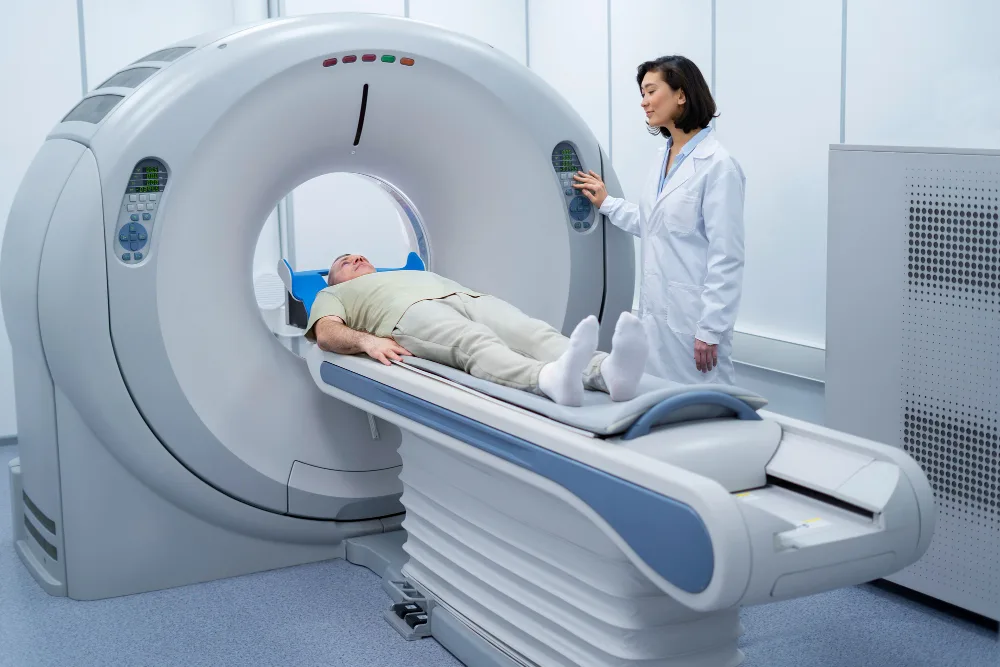
How To Assess Quality and Lifespan of a Used CT Scanner
Hospitals constantly balance strict financial budgets against the continuous need for vital imaging machinery. Acquiring a used CT scanner demands careful and strategic evaluation. Administrators must look beyond surface appearances to ensure reliable diagnostic performance across the entire medical facility.
Evaluating pre-owned medical equipment demands a methodical approach to verify complete operational integrity. You must carefully scrutinise all previous maintenance histories of the used CT scanner and internal component wear thoroughly. Such diligent practice prevents expensive machine downtime and protects overall patient care standards safely.
Examining The Tube of a Used CT Scanner
The primary X-ray tube remains the most critical and expensive internal machine component to evaluate thoroughly. Potential buyers must formally request detailed service logs showing the exact historical slice count. Heavy daily usage directly reduces remaining functional equipment lifespans significantly.
Hospital administrators should always consult with qualified clinical engineers regarding specific tube performance metrics. Proper analytical review helps facilities avoid sudden failures during daily patient examinations. Seeking a highly reliable used CT scanner requires extensive formal documentation proving regular scheduled preventative maintenance.
Potential buyers must thoroughly inspect the rotating gantry for any physical damage or unusual operational noises during testing. The internal slip rings demand particular attention during the evaluation phase. Heavily worn contact brushes often indicate poor previous upkeep and forecast repairs.
What specific steps must buyers take to verify operating systems positively impact the overall equipment valuation?
Software Systems for A Used CT Scanner
Modern imaging machines rely extensively on updated digital platforms. You must ensure you secure proper transferable operational software licences always.
- Request original installation discs and administrator access passwords immediately.
- Confirm the availability of future security patches from vendors.
- Review all application options included in the initial purchase.
Conclusion
Assessing pre-owned medical equipment demands meticulous attention to specific technical details and complex software requirements. Healthcare administrators must always prioritise thorough physical inspections of critical internal components to ensure long-term functionality. Proper evaluation protects substantial financial investments while consistently maintaining high diagnostic standards. Diligent verification processes ultimately secure highly reliable machinery serving medical facilities efficiently for many consecutive years.