How to Buy Hemp Seeds in Australia: A Smart Buyer’s Guide
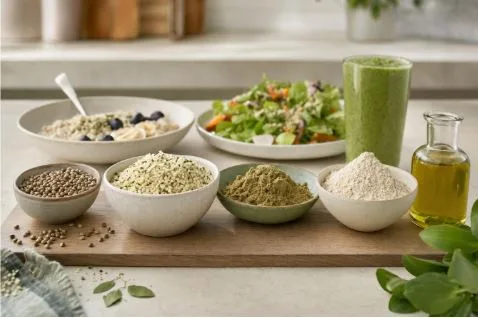
Hemp hearts have become common on Australian shelves and in online pantries. They turn up in smoothies, on porridge, over salads, and in baking. If you are shopping now, the aim is simple: buy something legal, fresh, good value, and useful in your kitchen.
This guide explains what you are buying, how Australian rules work in plain English, how to read a label quickly, and how to compare value without being distracted by pack size or marketing claims.
Quick primer: what you are buying
Hemp hearts are hulled hemp seeds: the soft inner seed left after the outer shell is removed. They sit beside hemp protein powder, hemp flour, and hemp seed oil, but each product has a different use.
For Australian retail, hemp seeds sold as food must be non-viable and hulled, according to Food Standards Australia New Zealand (FSANZ). That means a food pack is for eating, not planting.
For nutrition context, USDA FoodData Central lists hulled hemp seeds at roughly 31.6 g protein, 48.8 g fat, and 553 kcal per 100 g. Values vary by brand, so check the nutrition panel on the pack you are buying.
Is it legal? The rules in plain English
Australia amended the Food Standards Code in 2017 to allow the sale of low-THC hemp seed foods, which is why hemp hearts are now a normal grocery item.
The Code sets total THC limits by product type: no more than 10 mg/kg for hemp seed oil, 5 mg/kg for other foods derived from hemp seeds, and 0.2 mg/kg for hemp seed beverages.
Australian hemp foods must not contain CBD above 75 mg/kg, and CBD health or nutrition claims are not allowed. Labels also cannot suggest psychoactive effects or show cannabis plant imagery, although the seed may be shown and the word “hemp” is permitted.
If a pack leans on CBD claims or hints at a high, treat that as a red flag. The Office of Drug Control notes that hemp seed and fibre products can be imported without an ODC licence because they are treated as food products.
Spot a compliant label in 30 seconds
Most food sold in Australia must carry country-of-origin information, the Australian Competition and Consumer Commission (ACCC) explains. For priority foods grown, produced, or made in Australia, you will usually see the kangaroo logo paired with a bar chart showing the percentage of Australian ingredients.
The wording matters. “Grown in,” “Produced in,” “Made in,” and “Packed in” each mean something different. “Made in Australia from X% Australian ingredients” tells you more than a vague Australian-style label.
A FSANZ market survey of low-THC hemp seed foods found that 96% met THC limits and 100% met the CBD limit. It also found 65% had some labelling non-compliance that jurisdictions followed up, so labels are still worth reading closely.
Price smart: compare by unit price
Pack sizes can make value hard to judge. A large bag may look expensive beside a small jar, even when it is cheaper per gram. The fix is unit pricing, which shows the price per 100 g.
The ACCC notes that unit pricing helps shoppers compare grocery value, and most large supermarkets and online grocers must display it. Use the per 100 g figure, not the headline price. If it is missing, divide the price by the weight and multiply for a per 100 g number.
Not every specialty shop is required to display unit pricing, so you may need to do the quick maths yourself.
Ingredient and quality checklist
Once legality and origin are clear, check the pack itself. A short checklist covers most of what matters:
- The ingredients list reads as 100% hemp seeds or hulled hemp seeds, with no unexpected extras.
- There is a clear best-before or packed date so you can judge freshness.
- Storage instructions are printed on the pack.
- The country of origin is clear, especially if you prefer Australian-grown seeds.
- Optional claims such as organic are framed neutrally, not as health promises.
- There are no CBD-leaning claims, which are not permitted on hemp foods under FSANZ rules.
If you are using a search term such as buy hemp seeds in Australia, use the product page’s ingredient list, nutrition panel, suggested uses, and storage notes before adding anything to cart. Vasse Valley’s raw hemp hearts page is one Australian-grown listing with enough detail to compare against other packs.
Taste, texture, uses, and storage
Hemp hearts have a soft texture and a mild, nutty flavour. Sprinkle them over yoghurt or salads, blend them into smoothies, fold them into baking, or blitz them with water to make a simple homemade hemp drink. Explore healthy breakfast meal prep ideas that incorporate seeds and plant-based proteins to build balanced, make-ahead meals.
Storage protects both flavour and value. Keep the pack airtight in a cool, dark spot, and refrigerate after opening. As a general habit, use an opened pack within three to six months and check the aroma before use, since a sharp or off smell can signal rancidity.
Where hemp fits in plant-based eating
The plant-based aisle is changing. A 2025 GLNC audit reported a 33% decline in plant-based products on Australian shelves since 2022, while FoodNavigator analysts expect seed-based proteins, including hemp, to perform well into 2026 as eating habits shift toward simpler, functional foods.
Hemp hearts fit that pattern because they are a single-ingredient seed you can add to meals you already make. When comparing Australian names such as Hemp Foods Australia, Australian Primary Hemp, Good Country Hemp, and Vasse Valley, check each pack against the same label, ingredient, price, and storage checklist.
Frequently asked questions
Are hemp seed foods legal in Australia?
Yes. Australia amended the Food Standards Code in 2017 to permit low-THC hemp seed foods. Retail seeds must be hulled and non-viable, and products must stay within FSANZ THC limits.
Will eating hemp hearts affect a drug test?
Hemp foods are regulated to very low THC limits, and the FSANZ survey found most products met them. This guide is informational, so if testing is a concern, check with the relevant testing authority.
How long do hemp hearts last after opening?
Follow the pack. In general, refrigerate after opening, keep it airtight, use it within three to six months, and check the aroma for any off smell.
The smart buyer’s three steps
Buying hemp hearts comes down to a short routine. First, verify the label for legality and origin, looking for hulled seeds and a clear country-of-origin mark. Second, compare value by the price per 100 g rather than the pack price. Third, choose a storage-ready pack in a size you will realistically finish within a few months.