How to Buy Valves Online: The Complete 2026 Buyer’s Guide to Industrial Valves and Fittings
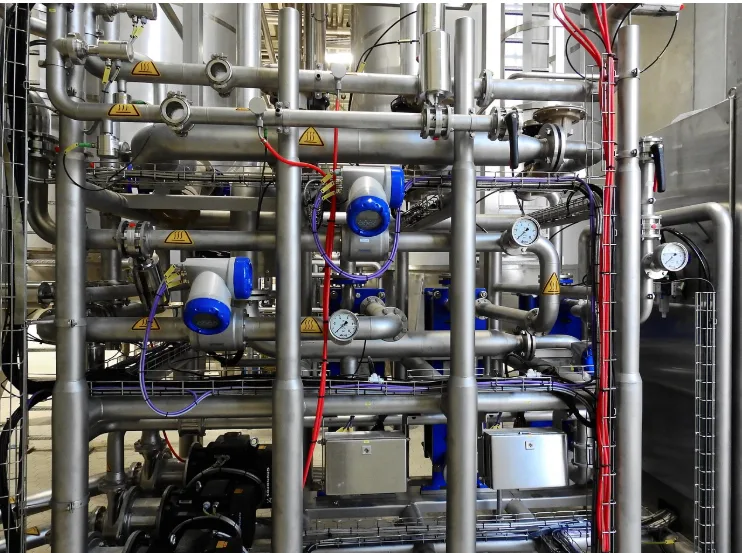
A valve looks like a simple part. It opens, it closes, maybe it throttles flow somewhere in between. But anyone who has ordered the wrong one knows how expensive a small mistake can be: a thread that does not match, a seat material that breaks down with a particular chemical, a pressure rating that falls short of the system it is installed in. Suddenly a minor purchase turns into downtime, leaks and a second order.
The good news is that buying valves no longer means waiting for a sales rep or driving to an industrial supplier. Today, plant engineers, contractors, maintenance teams and serious DIYers can compare specifications, check prices and order exactly what they need from their desk. If you want to buy valves online, the key is knowing which details matter before you add anything to your cart.
This guide walks through the main valve types, materials, connection styles, pressure ratings and actuators, then gives you a practical checklist for ordering online with confidence.
Why More Buyers Choose to Buy Valves Online
Industrial purchasing has shifted online for the same reasons consumer shopping did, with a few extra benefits for technical buyers:
- Easy specification comparison. Product pages list sizes, materials, pressure classes and end connections side by side, so you can compare options quickly.
- Transparent pricing. You can see prices upfront rather than waiting for quotes.
- Wider selection. Online stores can stock a broad range of valve types, sizes and materials in one place.
- Convenience. Order any time, from anywhere, and have parts shipped directly to the job site or plant.
- Faster repeat orders. Once you know the exact specification, reordering takes minutes.
The trade-off is that you do not have someone at a counter double-checking your order. That makes understanding the basics essential.
The Main Types of Valves (and When to Use Each)
Ball valves
Ball valves use a rotating ball with a hole through the centre. A quarter turn of the handle opens or closes the valve. They are quick to operate, seal tightly and are among the most widely used valves in industrial, commercial and residential systems.
Best for: on/off control of water, oil, gas, air and many chemicals.
Keep in mind: standard ball valves are not ideal for precise throttling, as partially open balls can wear the seats over time.
Gate valves
Gate valves lift a flat or wedge-shaped gate out of the flow path. When fully open, they offer very little flow restriction, which makes them efficient in pipelines that stay open most of the time.
Best for: isolation in water distribution, process lines and systems where full, unrestricted flow matters.
Keep in mind: they are slower to operate than ball valves and should not be used for throttling.
Globe valves
Globe valves use a movable disc and a stationary ring seat in a generally spherical body. They are designed for regulating flow and can throttle accurately.
Best for: flow regulation in steam, cooling water, fuel oil and process systems.
Keep in mind: they create more pressure drop than gate or ball valves.
Check valves
Check valves allow flow in one direction only and close automatically to prevent backflow. Common designs include swing, lift, spring-loaded and dual-plate check valves.
Best for: protecting pumps and compressors, preventing contamination and keeping systems from draining back.
Keep in mind: installation direction matters – always follow the flow arrow on the body.
Butterfly valves
Butterfly valves use a rotating disc mounted on a shaft. They are compact, lightweight and cost-effective, especially in larger pipe sizes. Common body styles include wafer, which is clamped between two flanges, and lug, which has threaded inserts so the valve can be bolted to each flange independently.
Best for: large-diameter water, HVAC, wastewater and process lines.
Keep in mind: the disc remains in the flow path, causing some pressure drop, and seat material must suit the fluid.
Sanitary valves
Sanitary valves are designed for hygienic applications. They typically have smooth, polished stainless steel surfaces, minimal crevices and quick-disconnect connections such as tri-clamp ends for easy cleaning.
Best for: food and beverage, dairy, brewing, pharmaceutical and cosmetic production.
Foot valves and strainers
Foot valves are check valves with a built-in screen, installed at the bottom of a pump’s suction line to keep the pump primed. Y-strainers capture debris before it reaches sensitive equipment such as pumps, meters and control valves.
Best for: protecting pumps and downstream components from damage and clogging.
Choosing the Right Valve Material
Material selection affects durability, safety and cost. The right choice depends on the fluid, temperature, pressure and environment.
Stainless steel (304 and 316)
Stainless steel offers excellent corrosion resistance and strength. Grade 304 suits many general applications, while 316 contains molybdenum for better resistance to chlorides and harsher chemicals, making it a popular choice in marine, chemical and food processing environments. Cast stainless valve bodies are often specified as CF8 (similar to 304) or CF8M (similar to 316).
Carbon steel
Carbon steel is strong and cost-effective for high-pressure and high-temperature applications, such as oil, gas and steam. Cast carbon steel valve bodies are commonly made to the ASTM A216 standard. Carbon steel is more prone to corrosion than stainless steel, so it is usually chosen for non-corrosive service.
Ductile iron and cast iron
Ductile iron is widely used for butterfly valves, gate valves and check valves in water and wastewater systems. It combines good strength with lower cost, especially in larger sizes.
Brass and bronze
Brass and bronze are common in smaller residential and commercial plumbing valves. They resist corrosion in water service and are easy to machine.
Plastic (PVC, CPVC and others)
Plastic valves are lightweight, corrosion-resistant and economical for low-pressure water and many chemical applications, but they have lower temperature and pressure limits.
Seat and seal materials
Do not overlook the soft parts. PTFE (Teflon) seats offer broad chemical resistance and low friction, while EPDM is a common choice for water and many HVAC applications. Always confirm that the seat and seal materials are compatible with your fluid and temperature range.
Understanding End Connections
The way a valve connects to the pipe is one of the most common sources of ordering mistakes. Popular options include:
- Threaded (NPT): the standard tapered thread in North America for smaller pipe sizes.
- BSP threads: British Standard Pipe threads used in the UK, Europe, Asia, Australia and many other regions. BSP and NPT threads look similar but are not interchangeable.
- Flanged: bolted connections for larger pipes and higher-pressure systems. Flanges must match the pipe’s flange standard and pressure class.
- Socket weld and butt weld: permanent welded connections for high-pressure or leak-critical systems.
- Tri-clamp: quick-release sanitary connections used in hygienic processing.
- Camlock: quick couplings used for hoses in transfer applications.
Pressure Ratings and Temperature Limits
Every valve has a maximum pressure and temperature it can safely handle. Valves are commonly rated by pressure class – for example, ANSI Class 150, 300 or 600 for flanged valves – or by a working pressure figure such as WOG (water, oil, gas) for threaded valves.
Pressure ratings usually decrease as temperature increases, so always check the manufacturer’s pressure-temperature data for your operating conditions. Choose a valve rated comfortably above your system’s maximum operating pressure, never just at it.
Manual vs Actuated Valves
Manual valves are operated by a handle, lever or handwheel. They are simple, reliable and inexpensive, and perfect for valves that are rarely adjusted or easy to reach.
Actuated valves use a powered actuator to open and close automatically. They are essential for automated processes, remote operation and valves in hard-to-reach locations.
- Pneumatic actuators use compressed air. They are fast, robust and popular in process plants that already have an air supply. They can be double-acting or spring-return (fail-safe).
- Electric actuators use an electric motor. They are ideal where compressed air is not available and offer precise positioning and easy integration with control systems.
- Explosion-proof actuators are designed for hazardous areas where flammable gases, vapours or dust may be present.
When ordering an actuated valve, check the supply voltage or air pressure, the control signal, the required torque and whether the valve should fail open, fail closed or stay in place on loss of power.
A Practical Checklist Before You Buy Valves Online
- Define the job. Is the valve for on/off isolation, throttling, preventing backflow or protecting equipment?
- Identify the fluid. Water, air, steam, oil, gas, chemicals or food products – this determines body and seat materials.
- Check operating conditions. Note maximum pressure and temperature, including surges.
- Confirm the pipe size. Valve size should match the nominal pipe size of your system.
- Match the connection type. NPT, BSP, flanged, welded, tri-clamp or camlock – and the correct standard.
- Choose the operation method. Manual lever, gear operator or pneumatic/electric actuator.
- Consider certifications. Some applications require specific standards, fire-safe designs or sanitary approvals.
- Review product details. Read the full specification, dimensions and any available data sheets.
- Check shipping, returns and support. Know the delivery timeframe and return policy before ordering, especially for urgent projects.
Common Mistakes to Avoid
- Mixing NPT and BSP threads. They may appear to fit but will not seal properly.
- Ignoring seat compatibility. The body may be stainless steel, but an incompatible seat material can still fail.
- Using the wrong valve type for throttling. Gate and standard ball valves are designed for on/off service.
- Underestimating pressure and temperature. Ratings must cover worst-case conditions.
- Installing check valves backwards. Always follow the flow direction arrow.
- Choosing on price alone. A cheaper valve that fails early can cost far more in downtime.
Where to Buy Valves Online
When choosing a supplier, look for clear specifications, a wide product range, transparent pricing, secure payment options and responsive customer support. Being able to source valves, fittings and actuators from one store also simplifies ordering and helps ensure compatible parts.
Valve Fitting Store, operated by EON Supply Inc., is an online store for industrial valves, pipes, fittings and actuators serving customers in the United States, with additional regions including Canada and Australia. Its range includes ball, check, gate, globe, butterfly, sanitary and foot valves, Y-strainers and BSP-type valves for international systems.
The store also carries actuated ball and butterfly valves with pneumatic, electric and explosion-proof actuator options, along with fittings such as camlocks, flanges, hose bibbs, sanitary fittings and SS304 and SS316 pipe fittings. Product listings cover common materials and ratings, including stainless steel (CF8M), carbon steel (A216), ductile iron butterfly valves, PTFE and EPDM seats, and ANSI Class 150 flanged options. Customers can pay by major credit cards and PayPal and contact the team with product questions before ordering.
Installation and Maintenance Tips
- Flush the line before installation to remove debris that could damage seats.
- Use the right thread sealant or tape for threaded connections, and avoid over-tightening.
- Support the piping so the valve does not carry excess weight or stress.
- Leave access space for operating, maintaining or replacing the valve.
- Exercise valves periodically – valves that are never moved can seize.
- Inspect regularly for leaks, corrosion, unusual noise and actuator problems.
Frequently Asked Questions
Is it safe to buy valves online?
Yes, as long as you buy from a reputable supplier and confirm the specifications carefully. Check materials, pressure ratings, sizes and connection types, and contact the supplier if anything is unclear.
What is the most common type of valve?
Ball valves are among the most widely used valves because they are simple, reliable and provide tight shut-off with a quarter turn.
What is the difference between 304 and 316 stainless steel valves?
Both are corrosion-resistant, but 316 contains molybdenum, which improves resistance to chlorides and many chemicals. It is preferred for marine, chemical and food applications.
Which valve should I use to control flow rate?
Globe valves are designed for throttling. Butterfly valves and specially designed control ball valves can also regulate flow in many applications.
What does ANSI Class 150 mean?
It is a pressure class for flanged valves and fittings. The exact allowable pressure depends on the material and temperature, so always check the pressure-temperature rating.
Do I need an actuated valve?
Choose an actuated valve if the valve needs to be operated automatically, remotely or frequently, or if it is in a location that is difficult to reach.
Final Thoughts
Buying valves online can save time and money, but success depends on getting the details right. Start with the job the valve needs to do, then match the type, material, connection, pressure rating and operation method to your system. A few minutes spent checking specifications can prevent leaks, downtime and costly reorders.
With a clear checklist and a reliable supplier, ordering industrial valves, fittings and actuators online becomes a fast, straightforward part of keeping your systems running smoothly.