How to Choose a Garmin Nylon Strap: Fit, Comfort and Durability
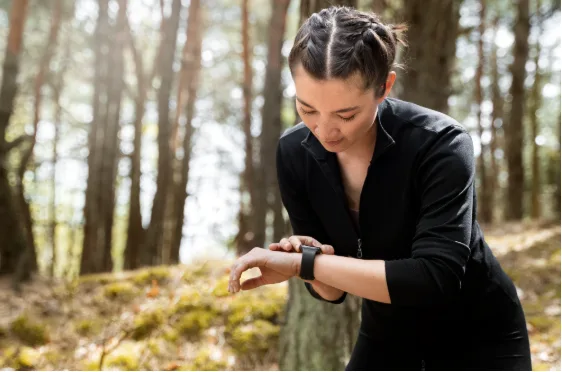
Similar-looking widths, connectors, and closures can make choosing a watch band confusing. Woven nylon is a practical option if you want a light, flexible band for everyday wear. However, comfort only matters if the strap fits your watch and wrist. Follow these steps to check compatibility before comparing colors or styles.
Step 1: Match the connector before anything else
Garmin does not use one band attachment system across its entire lineup. QuickFit and Quick Release are two common systems, and they are not interchangeable. Choosing the wrong one can leave you with a strap that is the correct width but cannot attach to your watch.
QuickFit in a nutshell
QuickFit bands are commonly available in 20 mm, 22 mm, and 26 mm widths. They use a latch on the underside of the band, so you can remove them without a tool. Width alone does not guarantee compatibility, particularly with some 26 mm models and pins. Check the compatibility list for your exact watch before ordering.
Quick Release in a nutshell
Quick Release bands use a spring-bar pin with a small lever that slides to release the strap. If you are unsure which system your watch uses, check its owner’s manual or model page on Garmin Support. You can also inspect the existing band for either a QuickFit latch or a small spring-bar lever.
Step 2: Get the width right, then check the length
Band width is measured in millimeters across the attachment point between the watch lugs. It is a fixed compatibility requirement, not a matter of preference. Strap length is more flexible, but it determines whether the closure sits comfortably on your wrist.
Garmin publishes dimensions for many of its bands. For example, different UltraFit nylon strap widths have different total lengths. Treat those figures as reference points rather than assuming every band of the same width fits the same wrist range. When comparing third-party options from Bandletic or another seller, look for both total strap length and the stated wearable wrist range.
Step 3: Decide whether nylon suits your routine
Woven nylon is light, flexible, and breathable, making it well suited to everyday and overnight wear. Its adjustability can also help you avoid wearing the watch too tightly, especially if your wrist size changes slightly during exercise or hot weather.
Nylon can handle water exposure, but it absorbs moisture and takes longer to dry than silicone. Check the strap maker’s care and activity guidance before swimming. After the band gets wet, remove it if possible and let it dry fully before wearing it again.
When comparing widths, connectors, and closures, Garmin nylon strap options can help you review the listed details before confirming compatibility on the individual product page.
Step 4: Pick a closure you will not fight with
The closure affects both comfort and security. Consider how often you remove the watch, how precisely you want to adjust it, and which activities you plan to do while wearing it.
- Hook-and-loop: Offers fine adjustment and can accommodate small changes in wrist size during the day. Check that the fastening area is long enough for your wrist.
- Classic buckle: Provides a familiar, predictable closure with fixed holes and a keeper loop. The fit is less precise if your ideal size falls between two holes.
- Magnetic or lever-style clasp: Makes the band quick to put on, but may not be recommended for every sport or high-impact activity.
Hardware and closure designs are not standardized across sellers. Bandletic listings, for example, identify the closure style and compatible attachment system, which helps narrow the options. Read the full specifications rather than relying only on product photos.
Step 5: Use proper care to extend the band’s life
Regular cleaning helps prevent sweat, sunscreen, and skin oils from building up in the weave. Garmin recommends cleaning bands frequently and allowing them to dry before use. For nylon, use a mild detergent and hand-wash rather than putting the strap in a washing machine.
Rinse the band after swimming or a sweaty workout, wash it when the weave begins to feel stiff or smell, and let it air-dry completely. If you rotate between two straps, each one has more time to dry between uses.
Inspect the stitching, closure, and attachment hardware while cleaning. Replace the band if you notice frayed load-bearing areas, a loose spring bar, damaged hook-and-loop material, or a latch that no longer closes securely.
Installation basics
To install a QuickFit band, operate the latch on the underside, lift the old strap away, and place the new band over the watch pin. Release the latch and gently pull the band to confirm that it is locked. Both ends should sit flush and move without separating from the watch.
For a Quick Release band, slide the small lever to retract the spring bar. Position one end of the bar in its lug hole, align the other end, and release the lever. Check that both ends of the spring bar are seated. If the strap resists or the hardware does not align, stop and confirm the model compatibility instead of forcing it.
A quick shopping checklist
- Connector system and width confirmed against the exact watch model.
- Strap length or wrist range compared with your wrist measurement.
- A closure that provides the adjustment and security you need.
- Smooth edges, even stitching, and a weave suited to daily wear.
- Clear care instructions and a reasonable return policy.
- Compatibility stated by the seller rather than assumed from width alone.
If you want to compare widths, connectors, and closures together, filtered Bandletic listings can help you narrow the selection by QuickFit or Quick Release and by common widths such as 20, 22, or 26 mm. Confirm the individual product’s compatibility before purchasing.
Getting it right the first time
Most fit problems come from choosing the wrong attachment system, width, or length. Check those details first, then compare the weave and closure based on how you plan to use the watch. A suitable nylon band should fit securely without pinching, and routine washing and thorough drying will help it remain comfortable.