How to Choose an AI Hotel Price Tracker for Better Travel Deals
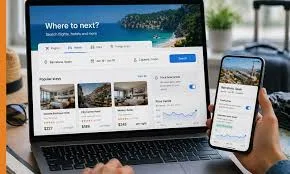
Booking a hotel used to be fairly simple. You picked your dates, compared a few options, and hoped you had found a decent rate. Now, prices can shift constantly depending on demand, seasonality, local events, booking windows, room availability, and broader travel trends. That means the price you see today may not be the price you see tomorrow, or even later the same afternoon.
For travellers, this can be frustrating. For families, business travellers, and frequent weekend breakers, it can feel like a game you are always slightly behind on. The good news is that technology is making the process easier. Smarter tools now help travellers monitor rates, spot drops, and make better booking decisions without manually checking the same hotel over and over again.
This buyer’s guide explains what these tools do, who they are best for, which features matter most, and how to choose one that genuinely helps you save time and money. If you are trying to book more confidently, understand hotel price behaviour, and avoid overpaying, this guide will help you make a practical choice rather than just chasing marketing claims.
Hotel pricing has become more dynamic because revenue management systems are built to react to real-time signals. Hotels frequently adjust prices based on occupancy forecasts, competitor pricing, local demand, and traveller behaviour. That means a tool that can monitor fluctuations and help you respond intelligently can be genuinely useful, especially if you book often or tend to reserve popular destinations.
If you are looking for an ai hotel price tracker, it is worth focusing on whether the app helps you monitor changes clearly, act quickly, and understand whether a lower rate is actually comparable to the one you booked.
Why Hotel Prices Change So Often
Hotel prices are not fixed in the way many travellers expect. Airlines have trained people to expect dynamic pricing, but hotels work in a similar way. A room rate may increase because a conference has been announced nearby, because school holidays are approaching, or because a property has sold a large block of rooms. It may also fall if demand softens, cancellations come in, or the hotel wants to fill unsold inventory close to the check-in date.
This is why some travellers feel they booked too early, while others regret waiting too long. The truth is that there is no single perfect booking moment for every trip. Instead, there are patterns, signals, and tools that make better timing more likely.
Understanding that prices move for practical commercial reasons is helpful because it changes what you should look for in a tracking app. The goal is not to predict the future with total certainty. The goal is to improve your odds of booking well, recognising drops, and knowing when to stick and when to rebook.
What a Hotel Price Monitoring Tool Actually Does
A hotel price monitoring tool is designed to watch prices over time so you do not have to keep checking manually. At its most basic, it follows selected hotel listings and alerts you if the price changes. More advanced tools go further by identifying patterns, showing price history, comparing room types, and helping you decide whether a lower rate is genuinely like for like.
A good tool should reduce the noise in the process. It should not simply bombard you with notifications. It should help you answer a few clear questions:
- Has the price actually dropped?
- Is the cheaper option the same room type and booking condition?
- Is breakfast, cancellation, or payment policy different?
- Is this a meaningful saving or just a misleading price shift?
- Is there still enough time to act?
That difference matters. A lower room rate is not always a better deal if it comes with stricter conditions or hidden trade-offs.
How an AI Hotel Price Tracker Helps You Book More Confidently
The reason many travellers are interested in AI-led tools is simple. They want smarter filtering, less guesswork, and faster insight. A standard alert system may tell you that a price changed. A more intelligent system should help interpret what that change means.
For example, a useful tool may:
- recognise repeated pricing patterns
- filter out irrelevant changes
- compare similar room conditions
- surface more meaningful alerts
- make it easier to judge whether to act
This is where AI can be valuable. Not because it performs magic, but because it can help organise large amounts of price data and present it in a way that supports better decisions. In practice, the best tools feel less like gadgets and more like practical assistants.
Travellers usually benefit most when the experience is simple. You should not need to be an analyst to understand whether you are seeing a genuine opportunity. Clarity matters more than jargon.
Who Benefits Most from Hotel Tracking Apps?
Not every traveller needs one, but several groups tend to get strong value from hotel tracking tools.
Frequent Leisure Travellers
If you often take city breaks, family weekends, or short stays, those repeated bookings add up. Even modest savings per trip can make a noticeable difference over a year.
Business Travellers
People booking regular travel for work often need efficiency. They may not have time to keep reviewing rates after booking. A tracking app can help simplify the monitoring process and make savings easier to spot.
Families Booking Higher-Value Trips
Larger rooms, school holiday travel, and multi-night stays are usually more expensive. The bigger the booking, the more worthwhile it is to track changes.
Early Bookers
Travellers who like to lock something in early can benefit from watching prices after booking. This can offer more peace of mind, especially when flexible terms are involved.
Value-Conscious Travellers
Some people simply dislike the feeling that they may have paid more than necessary. Tracking tools can reduce that uncertainty and give a clearer sense of control.
Key Features to Look for Before You Choose
Not all hotel tracking apps are equally useful. Some are basic notification tools. Others are built with more thoughtful features that help travellers make decisions. When comparing options, look beyond flashy claims and focus on real usability.
Clear Price Change Alerts
An app should make it obvious when a price has genuinely changed. Alerts need to be timely, easy to understand, and relevant to the booking you care about.
Like-for-Like Comparison
This is one of the most important features. A lower price means little if the room is smaller, non-refundable, excludes breakfast, or has worse cancellation terms. The app should help you compare properly.
Flexible Booking Awareness
If a tool is useful only before you book, its value is limited. Many travellers want to know whether a better rate appears after they have already reserved a room. The ability to support this stage is especially valuable.
Easy Setup
The app should not feel like hard work. A clean interface, simple hotel selection, and straightforward alerts make a big difference.
Sensible Notifications
Too many alerts become background noise. Too few and the app misses its purpose. Good tools strike a balance.
Transparent Savings Logic
Users should understand why an alert matters. If the app claims a saving opportunity, it should be clear what has changed and how meaningful the difference is.
Mobile-Friendly Experience
Most travel planning now happens on phones. A hotel app should work smoothly on mobile, whether you are checking rates from home, on the train, or at the airport.
Signs a Tracking Tool May Not Be Worth It
Some tools sound impressive but deliver very little practical benefit. Watch out for these warning signs:
- vague claims about guaranteed savings
- too much focus on buzzwords and not enough on actual features
- poor explanation of room comparison
- cluttered or confusing notifications
- unclear booking conditions
- no support for post-booking price checks
- a difficult or dated user experience
A tool should make booking calmer, not more complicated. If it feels confusing at the comparison stage, that is rarely a good sign.
Price Drops Are Not the Only Thing That Matters
Travellers naturally focus on discounts, but the smartest buying decision is not always about the cheapest room. It is about value. A room rate can fall while the cancellation terms worsen. Another room may look more expensive but offer breakfast, easier rebooking, or better flexibility that makes it the stronger option overall.
This is especially important when plans may change. A flexible booking that costs slightly more upfront can be the better financial choice if it keeps options open. A good app should help you think in terms of total value rather than headline price alone.
That is also why informed travellers benefit from understanding a little about dynamic pricing. Hotel rates are shaped by live commercial decisions, not random chance. The more clearly a tool helps you interpret those shifts, the more useful it becomes.
Booking Windows and Timing Still Matter
Even with a strong app, timing remains part of the process. Different trips behave differently.
- Peak season stays often rise as demand builds.
- Off-peak city breaks may fluctuate more and offer better late changes.
- Event-led destinations can jump sharply when demand spikes.
- Longer stays may produce larger total savings even when nightly drops are modest.
This means a buyer should think about the type of trip, not just the app itself. An intelligent tool is most useful when paired with realistic expectations. It may help you respond to price movement, but it cannot turn a sold-out holiday weekend into a bargain.
What to Ask Before You Commit to a Hotel App
Before choosing a hotel price tracking app, ask these practical questions:
Does it save me time?
A good tool should replace repeated checking, not add another admin task.
Does it make comparisons easier?
You want clarity, not more tabs and more confusion.
Does it work after booking?
This can be one of the biggest value points for travellers who reserve flexible stays.
Is it built for normal travellers?
Some platforms feel designed for analysts rather than everyday users. Simplicity matters.
Will I understand why I am being alerted?
Useful alerts explain what changed and whether it is worth acting on.
Does it fit the way I travel?
A family traveller, solo weekend traveller, and work traveller may all care about different features.
Keyword Variations Buyers Should Understand
When researching hotel tracking tools, you may see different terms used interchangeably. They often overlap, but they are not always exactly the same.
Hotel Price Drop Alerts
This usually refers to notification-based tracking. You set a hotel or booking, and the tool tells you if the rate drops.
Hotel Rebooking App
This tends to focus more on action after the original reservation. The emphasis is on finding a better rate once you have already booked.
Hotel Price Monitoring App
This suggests broader monitoring over time, not just one-off alerts.
Smart Travel Savings App
This is a wider label that may include hotel tracking, planning, and other money-saving functions.
Hotel Rate Tracking Tool
This is often the most direct description. It focuses on rate observation and comparison rather than broader trip planning.
The exact label matters less than the user experience. Focus on what the app actually helps you do.
What Good Results Look Like for Real Travellers
The best outcomes are usually quite practical. A traveller may lock in a flexible hotel booking for peace of mind, then receive a later notification that the same property has dropped in price. Another may discover that an apparently cheaper room is not actually equivalent because the cancellation rules changed. A family may find that a multi-night booking has become better value closer to the trip. A business traveller may simply avoid the time drain of checking rates repeatedly.
These are not dramatic travel hacks. They are sensible improvements in how you book.
That is often what separates useful travel tech from gimmicks. Real value is not about excitement. It is about reducing friction, improving visibility, and helping people make calmer decisions.
Choosing the Right Tool for Different Travel StylesFor Weekend Break Travellers
Look for speed, simplicity, and timely alerts. You probably want something that feels effortless and works well on mobile.
For Families
Prioritise clarity around room conditions, cancellation, and total booking value. Savings on larger bookings can be more significant, but so can the cost of mistakes.
For Business Travellers
Efficiency matters. You want alerts that cut through noise, help you act quickly, and fit around a busy schedule.
For Budget-Conscious Travellers
Focus on transparent comparisons and strong rate monitoring. Savings matter, but clarity matters too.
For Frequent Travellers
Look for consistency and ease of repeated use. If you travel often, the app should feel dependable rather than fiddly.
Common Mistakes Buyers Make
Even thoughtful travellers can make mistakes when picking a hotel tracking tool. Here are a few common ones:
Chasing the Lowest Price Only
A rate is only one part of the booking. Conditions matter.
Ignoring Rebooking Potential
Many travellers stop thinking once they have booked. A tracking app can still be useful after that point.
Overvaluing Complex Features
More features do not always mean more value. A clean, focused app is often better.
Assuming All Alerts Are Useful
Some apps notify too often without adding context. Relevance matters more than volume.
Not Thinking About Their Own Travel Habits
The best app for a frequent work traveller may not be the best choice for an occasional holidaymaker.
Final Thoughts
A hotel tracking app should help you feel less exposed to pricing chaos and more in control of your booking choices. The strongest options do not just tell you that something changed. They help you understand whether it matters.
That is why a buyer’s guide matters. The right choice is not simply the tool with the loudest promises. It is the one that matches how you travel, supports sensible decision-making, and makes savings easier to spot without creating more work.
If you travel often, book flexible stays, or simply want more confidence that you are not missing a better rate, a smart hotel price tracker can be a useful addition to your travel toolkit. It should offer clarity, simplicity, and practical value. If it does those three things well, it is worth serious consideration.
FAQs
1. What is a hotel price tracker?
A hotel price tracker is a tool that monitors hotel rates over time and lets travellers know when prices change. Some tools are basic, while others help compare room conditions and booking terms as well.
- Can a hotel tracking app help after I have already booked?
Yes, some tools can still be useful after booking, especially if your reservation is flexible. They can help you spot a lower comparable rate and decide whether rebooking makes sense.
- Are hotel price alerts always reliable?
They can be useful, but not every alert is equally meaningful. A good app should show whether the cheaper rate is genuinely comparable in terms of room type, cancellation policy, and included extras.
- Do hotel prices really change that often?
Yes. Hotel pricing can shift frequently because of supply, demand, local events, seasonality, and revenue management decisions. That is why monitoring tools can be helpful.
- What should I look for in a hotel price tracking app?
Look for clear alerts, like-for-like room comparisons, support for flexible bookings, simple setup, mobile usability, and transparent explanations of why a price change matters.