
How to Choose the Best Hair Extensions for Thin Hair without Damaging It
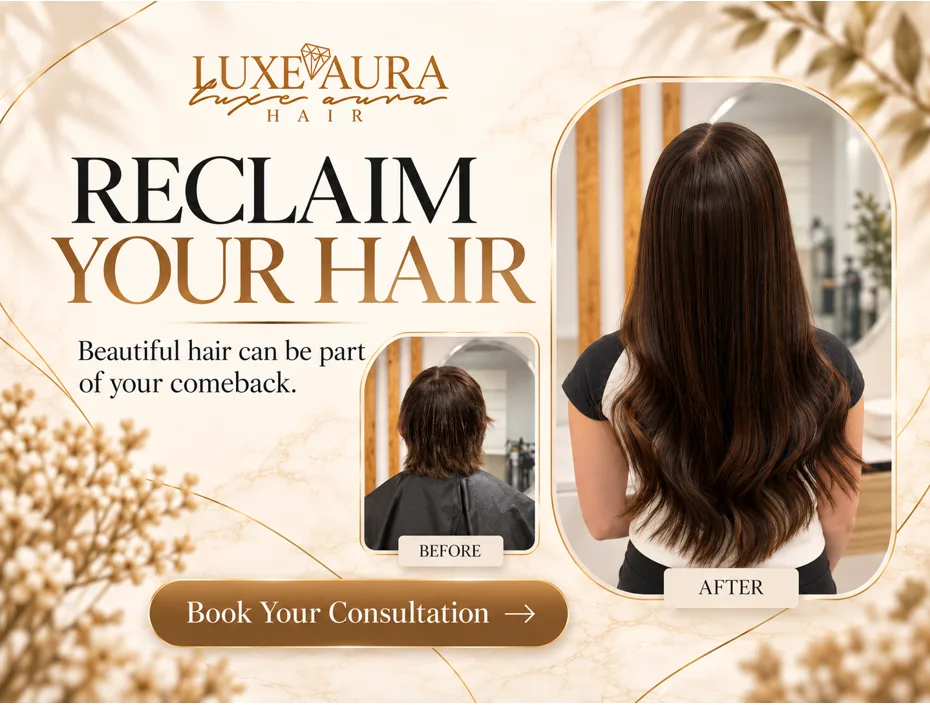
Having thin hair doesn’t mean you don’t have the liberty of enjoying lengthy, long and styled hairs. There are solutions available that resolve your issue and that too without any tiresome hair care remedies. Hair extensions for thin hair can add volume, length, and dimension, helping you achieve a more versatile look. However, choosing the wrong type can put unnecessary stress on delicate strands. Weight, attachment methods, and daily maintenance all influence how safely extensions blend with natural hair.
The key is to find extensions for thin hair that provide the desired fullness without pulling on the roots or causing breakage. With the right choice and proper care, you can enjoy a natural-looking result while protecting your existing hair.
Why Choosing the Right Hair Extensions Matters for Thin Hair
Thin hair generally has less density, which means individual strands may have limited ability to support additional weight. Heavy extensions or poorly positioned attachments can create tension around the roots. Over time, this may contribute to breakage, discomfort, and even traction-related hair loss.
Therefore, the goal should not simply be to add as much hair as possible. Instead, look for an option that complements your natural density.
Before selecting extensions, consider these factors:
- Weight: Lightweight extensions place less strain on delicate strands.
- Attachment method: Some application techniques distribute weight more evenly than others.
- Hair texture: Extensions should match your natural texture to create a seamless finish.
- Length: Moderate lengths often blend more naturally with shorter or finer hair.
- Maintenance: Choose an option that fits your daily styling habits and care routine.
Considering these details can help you avoid common problems and achieve a comfortable, balanced look.
Best Types of Extensions for Thin Hair
Not every extension method works equally well for fine or low-density hair. Some options offer more flexibility, while others require stronger natural strands to support their weight.
Clip-In Hair Extensions
Clip-in extensions are a popular choice for people who want temporary volume without committing to a permanent installation. You can attach them when needed and remove them before sleeping.
For thin hair, lightweight clip-ins with smaller clips are generally preferable. They can also be positioned strategically to fill areas that need extra volume. However, avoid attaching them too close to the hairline or placing too much weight in one section.
Tape-In Hair Extensions
Tape-in extensions use flat adhesive strips that sandwich sections of natural hair. Their slim design allows them to lie relatively close to the scalp, making them less noticeable when properly installed.
They can work for certain people with fine hair because the weight is distributed across attachment sections. However, incorrect placement, unsuitable adhesive, or poor removal techniques can cause damage. Professional application and maintenance are particularly important.
Halo Hair Extensions
Halo extensions sit around the head using a discreet wire rather than individual bonds or clips. They are designed to rest on the head and can provide additional fullness without attaching directly to individual strands.
This makes them worth considering for people who want occasional volume with minimal attachment points. Nevertheless, proper sizing and positioning are essential for comfort and a natural finish.
How to Choose Extensions for Thin Hair Without Causing Damage
Finding suitable extensions involves more than choosing a style or color. You should also consider how the extensions will interact with your natural hair over time.
Here are some practical ways to make a safer choice.
1. Prioritize Lightweight Options
Heavy extensions can pull on the roots, especially when natural hair has limited density. Start with a smaller amount of additional hair rather than choosing a full, heavy set.
A professional can help determine how much volume your natural strands can comfortably support.
2. Match Your Natural Hair Texture
Extensions that closely resemble your natural hair require less styling to blend properly. This matters because excessive heat and repeated styling can weaken already delicate strands.
Consider whether your hair is straight, wavy, or curly before selecting a texture.
3. Avoid Excessive Length
Longer extensions are not always the best choice for fine hair. Added length usually means additional weight, which can increase tension on natural strands.
Choosing a moderate length often creates a more balanced appearance. It can also make every day styling easier.
4. Seek Professional Application
Even high-quality extensions can cause problems when installed incorrectly. An experienced professional can assess your hair density, condition, and scalp comfort before recommending an appropriate method.
When exploring a professional hair salon and extensions service, consider discussing your hair goals, preferred attachment method, and maintenance requirements before deciding.
Caring for Hair Extensions and Protecting Natural Strands
Choosing suitable extensions is only the first step. Your daily routine also plays an important role in keeping both your extensions and natural hair in good condition.
Follow these simple practices:
- Brush gently: Use an extension-friendly brush and work through tangles carefully, starting at the ends.
- Limit heat styling: Apply heat protection and avoid excessive temperatures when using styling tools.
- Use suitable products: Choose gentle shampoos and conditioners recommended for your extension type.
- Avoid pulling: Keep hairstyles loose and avoid tight ponytails or buns that create additional tension.
- Follow maintenance schedules: Have professionally fitted extensions checked and adjusted as recommended.
- Give your hair breaks: Remove temporary extensions regularly and allow your natural hair to rest.
If you notice persistent scalp discomfort, unusual shedding, or breakage around attachment points, remove temporary extensions and seek professional advice. Do not ignore signs that your natural hair is struggling with the additional weight.
Enjoy Fuller Hair without Compromising Its Health
The best extensions for thin hair are those that enhance your appearance while respecting the limitations of your natural strands. Lightweight materials, suitable attachment methods, realistic lengths, and professional application can all contribute to a more comfortable experience.
Remember that fuller hair should never come at the expense of your natural hair health. Take time to understand your options, discuss your concerns with an experienced stylist, and follow an appropriate maintenance routine. With a thoughtful approach, you can enjoy added volume and length while giving your natural hair the care it deserves.