
How to Choose the Best THC Vapes in the UK
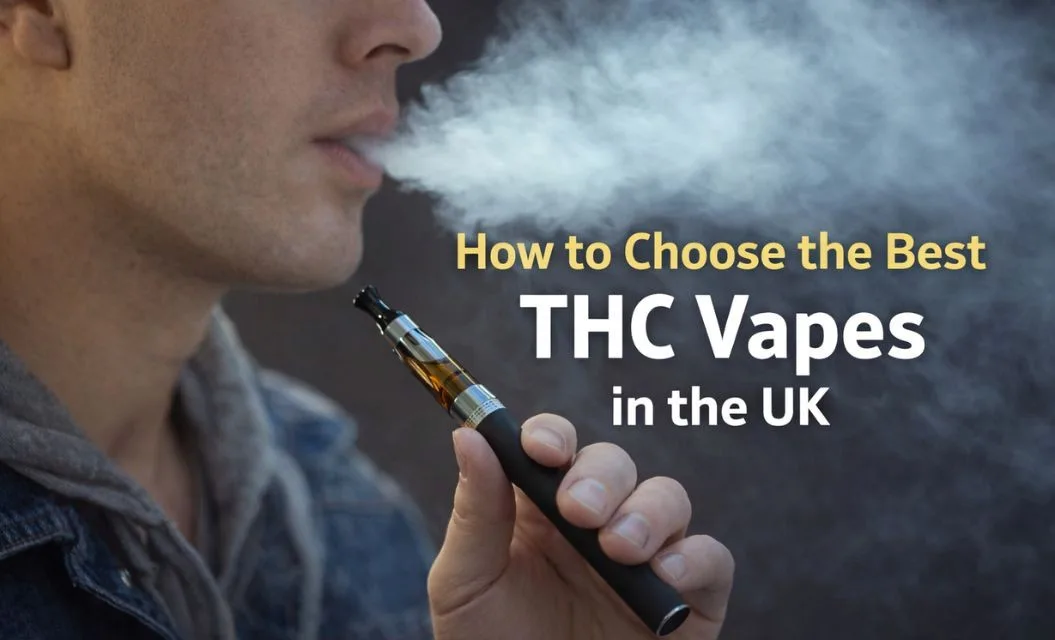
As vaping technology continues to evolve, interest in THC vapes has grown across the UK. Many users are searching for clear, trustworthy information to understand what THC vapes are, how they differ from other products, and how to evaluate quality and safety before making a decision. However, choosing the right THC vape in the UK requires more than just looking at potency or design. Legal considerations, ingredient transparency, and product safety all play a critical role.
Because THC is a controlled substance under UK law, misinformation is common, and poorly researched content can lead to confusion or unsafe choices. This guide is designed to help readers understand how to choose the best THC vapes in the UK from an educational and harm-reduction perspective. It focuses on evaluation criteria, legal awareness, and quality indicators rather than on promotion or sales, ensuring that readers can make informed, responsible decisions.
Understanding What THC Vapes Are
THC vapes are devices designed to vaporise tetrahydrocannabinol (THC), the primary psychoactive compound found in cannabis. Instead of combustion, these devices heat THC concentrates or oils to a temperature that produces vapour, which is then inhaled. This method is often discussed in comparison to smoking due to differences in odour, dosage control, and inhalation byproducts.
In the UK, most public discussions around vaping focus on nicotine or CBD products. THC vapes are less well understood, so it is essential to define what they are and how they work clearly. THC vape products may appear in different forms, including cartridges, disposable pens, or refillable systems, each with its own design and usage method.
Understanding these basics helps readers evaluate products more effectively and avoid confusion with non-psychoactive alternatives such as CBD vapes, which are legal under specific conditions in the UK.
The Legal Context of THC Vapes in the UK
One of the most important factors when researching THC vapes is legality. In the UK, THC is classified as a controlled substance under the Misuse of Drugs Act 1971. This means that THC products are generally illegal to possess, supply, or distribute unless prescribed for specific medical purposes.
Medical cannabis may be prescribed in limited cases by specialist doctors, and some approved products contain controlled levels of THC. Outside of these regulated pathways, THC vapes are not legally available for recreational use. Any discussion about choosing THC vapes in the UK must therefore remain informational and focused on awareness rather than acquisition.
This legal framework is also why many people confuse THC products with CBD alternatives. CBD products are legal in the UK if they meet regulatory requirements, including having no more than trace amounts of THC. Understanding this distinction protects consumers from unintentionally violating the law and reinforces the importance of responsible research.
Why Product Quality Matters More Than Potency
When people search for THC vapes, potency is often the first factor they consider. However, experienced users and health professionals consistently emphasise that quality and safety are far more critical than strength alone. Poorly manufactured vape products can contain harmful additives, residual solvents, or contaminants that pose serious health risks.
High-quality THC vape products are typically associated with controlled extraction methods, transparent ingredient lists, and proper storage standards. While UK consumers may encounter discussions or references to THC Vapes UK in online forums or educational resources, it is crucial to evaluate such information critically and focus on general quality indicators rather than brand claims.
Quality also affects consistency. A well-produced vape delivers predictable vapour output and dosage, whereas low-quality products may overheat, leak, or produce harsh vapour that irritates the lungs.
Ingredients and Extraction Methods to Be Aware Of
One of the most reliable ways to assess a THC vape’s quality is by understanding what goes into it. THC vape oils should primarily contain cannabis extract and, in some cases, natural terpenes. Additives such as vitamin E acetate, artificial thinning agents, or unverified flavouring chemicals have been linked to serious health concerns and should always be avoided.
Extraction methods play a key role here. Cleaner extraction processes are designed to minimise residual solvents and preserve the plant’s natural composition. From an educational standpoint, readers should look for products that emphasise transparency around how extracts are produced and refined.
Even when reading informational content or research discussions related to THC Pens UK, it is wise to focus on ingredient safety and manufacturing standards rather than appearance or marketing language.
The Role of Third-Party Lab Testing
Third-party laboratory testing is widely considered one of the strongest indicators of product safety and reliability. Independent lab reports typically analyse cannabinoid content, residual solvents, heavy metals, and microbial contamination. These tests provide an objective view of what a product contains, rather than relying on manufacturer claims.
In regions where THC products are regulated, lab testing is often mandatory. While this is not broadly applicable in the UK outside medical contexts, understanding the importance of lab testing helps consumers evaluate information they encounter online. Educational resources that reference lab testing demonstrate greater responsibility and credibility.
Lab transparency is also a critical trust signal from an SEO perspective. Google favours content that emphasises safety, verification, and user well-being, particularly in sensitive niches.
Cartridge, Disposable, and Refillable Vape Formats
THC vapes come in several formats, each offering a different user experience. Cartridge-based systems typically use pre-filled cartridges that attach to a battery, offering convenience and consistency. Disposable vapes are designed for single use and require no maintenance, while refillable devices allow users to manage their own vape oils.
From an informational standpoint, understanding these formats helps users compare functionality rather than focusing on availability. Each format has implications for temperature control, vapour quality, and waste generation. Refillable systems, for example, may offer more customisation, while disposable vapes prioritise simplicity.
Evaluating format differences encourages informed decision-making and aligns with Google’s preference for comprehensive, user-focused content.
Safety Considerations When Evaluating THC Vapes
Safety should always be a primary concern when discussing THC vapes. Vapour temperature, battery quality, and airflow design all affect how a device performs. Overheating can degrade cannabinoids and create unwanted byproducts, while poorly designed batteries can pose physical risks.
Health considerations also extend to frequency of use and inhalation practices. Educational articles should avoid making health claims and instead focus on harm-reduction principles, such as moderation and awareness of potential side effects.
By addressing safety in a calm, factual manner, content builds credibility and aligns with E-E-A-T standards that Google applies to health-adjacent topics.
THC Vapes vs CBD Vapes in the UK
A common point of confusion among UK readers is the difference between THC vapes and CBD vapes. While both are derived from cannabis plants, their legal status and effects are very different. CBD vapes do not produce psychoactive effects and are legal when compliant with UK regulations. THC vapes, on the other hand, contain a psychoactive compound and are tightly controlled.
Clarifying this distinction helps readers avoid misinformation and protects them from unintentionally purchasing or using illegal products. It also helps search engines understand the article’s topical relevance by clearly defining related but distinct concepts.
This comparison adds depth to the content and improves its ranking for related informational queries.
Recognising Low-Quality or Risky Vape Products
Low-quality THC vape products often share certain warning signs. These may include vague labelling, missing ingredient information, exaggerated claims, or a lack of transparency about sourcing and testing. From an educational perspective, teaching readers how to identify these red flags is more valuable than listing specific products or brands.
Risk awareness also extends to online information sources. Readers should be encouraged to rely on reputable educational content, peer-reviewed research, and official health guidance rather than anonymous recommendations or promotional posts.
Content that promotes critical thinking not only helps users but also signals to Google that the article prioritises user safety and accuracy.
Making Informed and Responsible Decisions
Choosing the best THC vapes in the UK is not about finding the strongest or trendiest option. It is about understanding the legal environment, recognising quality indicators, and prioritising safety above all else. Responsible decision-making begins with education and a clear awareness of risks and regulations.
This guide has focused on providing factual, balanced information rather than encouraging use or purchase. Readers are encouraged to continue researching, consult qualified professionals where appropriate, and remain aware of UK laws when engaging with cannabis-related topics.
Final Thoughts
The growing interest in THC vaping highlights the need for accurate, well-researched information. In the UK, where regulations are strict and misinformation is common, educational content plays a vital role in protecting users and promoting responsible awareness. By focusing on quality, safety, and legality, readers can better understand how THC vapes are evaluated without crossing ethical or legal boundaries.
This article is intended for informational purposes only and does not promote or encourage illegal activity. Staying informed is the first step toward making safer, more responsible choices.