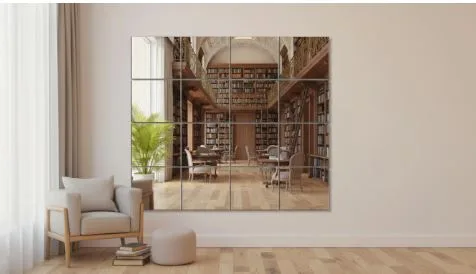
How to Choose the Perfect Mirror Tiles for Your Home?
Mirror tiles have become a popular choice for homeowners looking to add a touch of elegance, increase the perception of space, and enhance natural light in their interiors. Whether you are renovating your living room, bathroom, or kitchen, choosing the right mirror tiles can make a significant difference in both aesthetics and functionality. In this article, we’ll guide you step by step on how to choose the perfect mirror tiles for your home.
Understand the Purpose of Mirror Tiles
Before selecting mirror tiles, it’s essential to understand why you want to use them. Mirror tiles serve several purposes:
- Enhancing Light: Mirror tiles reflect both natural and artificial light, making rooms appear brighter.
- Creating the Illusion of Space: In smaller rooms, mirrors can make the space feel larger and more open.
- Aesthetic Appeal: Decorative mirror tiles can serve as statement pieces or elegant backdrops.
- Functional Use: Some mirror tiles are used in bathrooms and dressing areas for practical purposes.
Understanding your primary goal will guide you in choosing the type, size, and placement of your mirror tiles.
Choose the Right Type of Mirror Tile
Mirror tiles come in various types, each suited for different settings:
- Plain Mirror Tiles: Simple and reflective, suitable for bathrooms, living rooms, and kitchens.
- Beveled Mirror Tiles: Edges are cut at an angle, adding depth and a decorative touch.
- Antique Mirror Tiles: Offer a vintage look with a slightly distressed or aged finish.
- Colored Mirror Tiles: Available in tinted shades such as bronze, grey, or gold to match specific interior styles.
- Patterned or Etched Mirror Tiles: Feature designs or patterns for a sophisticated, artistic appeal.
Consider both aesthetics and functionality when selecting the type. For instance, plain mirror tiles are perfect for a minimalist style, while etched or colored mirrors work well as accent pieces.
Determine the Size and Shape
Mirror tiles come in various sizes and shapes. Common options include square, rectangular, hexagonal, and even custom shapes.
- Small Tiles: Ideal for creating intricate patterns or mosaic walls. They are perfect for kitchens and bathrooms.
- Large Tiles: Provide a sleek and seamless appearance, ideal for living rooms, hallways, or feature walls.
- Custom Shapes: Allow for creative installations and unique designs that enhance your interior décor.
Larger mirror tiles require fewer grout lines, giving a smoother, more expansive appearance. Smaller tiles can add texture and interest but may be more labor-intensive to install.
Consider Placement and Purpose
Where you plan to install mirror tiles will heavily influence your choice. Here are some suggestions:
- Bathroom: Use moisture-resistant mirror tiles, preferably tempered for safety. They can be used behind sinks, showers, or as feature walls.
- Kitchen: Mirror tiles can serve as backsplashes, reflecting light and making the space feel larger.
- Living Room: Consider a mirror tile accent wall behind furniture or artwork to create depth.
- Bedroom or Dressing Area: A full-length mirrored wall or decorative tiles can enhance functionality and elegance.
Evaluate Quality and Durability
Not all mirror tiles are created equal. When choosing tiles, ensure they are:
- Tempered or Safety Glass: Especially important for high-traffic areas or homes with children.
- Scratch-Resistant: To maintain a polished appearance over time.
- Moisture-Resistant: Crucial for bathrooms and kitchens to prevent fogging or damage.
- Back-Coated: Some mirror tiles have a reflective backing to prevent tarnishing or discoloration.
Investing in high-quality tiles ensures longevity and a premium look for your space.
Match Style and Décor
Mirror tiles should complement your existing interior décor. Consider:
- Color Palette: Ensure the tiles harmonize with wall paint, furniture, and flooring.
- Style Theme: Modern interiors benefit from sleek, frameless tiles, while traditional or vintage settings can use beveled or antique mirrors.
- Texture and Finish: Glossy, etched, or frosted finishes can create different moods and effects.
By aligning mirror tiles with your décor style, you achieve a cohesive and elegant look.
Decide on Layout and Pattern
The way mirror tiles are arranged can significantly impact the overall look:
- Grid Layout: Classic and clean, suitable for contemporary spaces.
- Brick Pattern: Adds visual interest without overwhelming the room.
- Mosaic or Geometric Layout: Ideal for feature walls, backsplashes, or artistic accents.
- Random Placement: Creates a modern, eclectic effect.
Consider using a design tool or consulting a professional to visualize the layout before installation.
Measure and Calculate
Accurate measurements are critical. Measure the area where you plan to install the tiles and calculate the number of tiles required. Remember to account for:
- Grout Lines: They add spacing between tiles but also affect the final tile count.
- Cutting and Wastage: Typically, add 10–15% extra tiles to account for cutting errors or future repairs.
Budget Considerations
Mirror tiles range from affordable to high-end designer options. When planning your budget, consider:
- Tile type and size
- Installation costs (DIY vs. professional)
- Additional materials like adhesive, grout, and sealants
- Maintenance requirements
Remember, investing in quality tiles saves money in the long term due to durability and low maintenance.
Installation and Maintenance Tips
Proper installation ensures safety and longevity:
- Professional Installation: Recommended for large or intricate installations.
- Use the Right Adhesive: Mirror tiles require a non-abrasive adhesive to prevent damage.
- Grout Carefully: Avoid scratching the reflective surface.
- Cleaning: Use a soft, non-abrasive cloth and mild glass cleaner. Avoid harsh chemicals to prevent tarnishing.
Regular maintenance keeps mirror tiles sparkling and elegant for years.
Conclusion
Choosing the perfect mirror tiles involves careful consideration of type, size, placement, quality, and décor compatibility. By understanding your needs, measuring accurately, and investing in high-quality tiles, you can transform your home with added elegance, light, and the illusion of space. Mirror tiles are more than just reflective surfaces, they are a design element that can elevate your interiors from ordinary to extraordinary.