How to Choose the Perfect Nugget Ice Maker for Your Kitchen
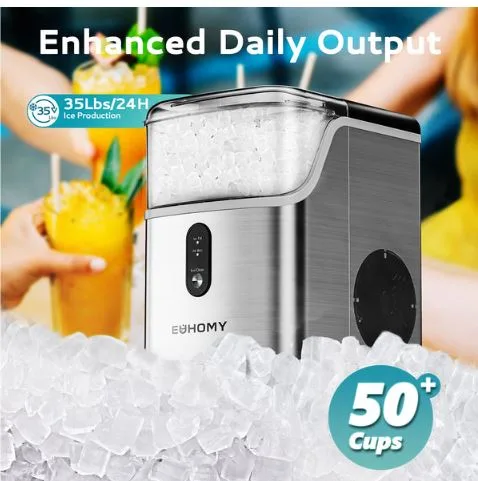
There’s something irresistible about nugget ice — those soft, chewable little pellets you find at Sonic Drive-In and can’t stop crunching. Once you’ve experienced that satisfying texture soaking up your favorite drink, regular ice cubes just don’t cut it anymore. It’s no wonder nugget ice has developed a cult following among home beverage enthusiasts and entertainers alike.
But here’s the challenge: the market is flooded with countertop ice makers, each promising the perfect nugget. Sorting through production capacities, footprint sizes, features, and designs can feel genuinely overwhelming, especially when you’re investing in an appliance meant to elevate your kitchen and impress guests. How do you know which machine actually delivers?
This guide cuts through the noise. Whether you host weekly cocktail nights or simply crave restaurant-quality ice for your afternoon iced coffee, we’ll walk you through every decision factor that matters — from output capacity and machine dimensions to style and long-term reliability. By the end, you’ll have a clear, confident path to choosing the nugget ice maker that fits your life perfectly.
Understanding Nugget Ice and Why It’s a Game-Changer
Nugget ice — sometimes called pellet ice or pebble ice — is made by compressing thin layers of ice into small, irregular chunks. Unlike solid cubed ice, nugget ice is riddled with tiny air pockets, which gives it that signature soft, chewable texture people can’t resist. Those same air pockets act like little sponges, absorbing the flavor of whatever drink surrounds them, so every crunch delivers a burst of taste.
This structure also gives nugget ice a practical edge over traditional cubes and crushed ice. Cubed ice melts slowly but sits heavy in a glass, often creating an uneven drinking experience. Crushed ice chills fast but turns watery within minutes. Nugget ice strikes the sweet spot: it cools drinks rapidly without diluting them as quickly as crushed ice, maintaining the intended flavor profile of cocktails, lemonades, and sodas far longer. For entertainers, this matters enormously — guests get consistently great-tasting beverages throughout an event, and nugget ice looks stunning piled high in a drink dispenser or buffet display. The science is straightforward: compressed ice with trapped air insulates itself slightly, slowing the melt rate while still conforming to the liquid around it. That balance of form and function is exactly what makes nugget ice the gold standard for home beverage service.
Key Considerations Before Buying Your Nugget Ice Maker
Before you start browsing models and comparing specs, it pays to step back and think about what you actually need from your machine. The best nugget ice maker for a college apartment looks nothing like the best one for a home with a dedicated wet bar. Your decision should hinge on a handful of critical factors: how much ice you consume daily, the physical space you can dedicate to the appliance, and how the machine fits into your kitchen’s overall look and feel. Getting clarity on these three pillars first will immediately narrow your options and prevent buyer’s remorse. Let’s break each one down.
Assessing Your Ice Needs: Output Capacity is King
Daily ice production — measured in pounds per 24 hours — is the single most important specification to evaluate. It determines whether your machine can keep pace with demand or leave you rationing ice halfway through a gathering. A quick way to estimate your needs: the average person uses roughly one to two pounds of ice per day for regular drinks. A household of four with moderate iced-beverage habits might consume six to eight pounds daily during warm months. Now layer in entertaining. A cocktail party for ten guests can easily burn through 15 to 20 pounds in a single evening, especially when you’re filling pitchers, shakers, and a self-serve ice bucket simultaneously.
If your ice use is mostly personal — a morning smoothie, afternoon iced coffee, evening soda — a machine producing 26 to 30 pounds per day will serve you comfortably. But if you regularly host dinners, game-day watch parties, or holiday gatherings, you need a high output ice maker capable of 33 pounds or more daily. Pay attention to the bin storage capacity too, because production rate only matters if the machine can hold enough finished ice to meet a sudden rush of demand without cycling constantly.
Space and Style: Integrating the Appliance into Your Kitchen
A nugget ice maker is a kitchen appliance that lives on your counter full-time, so it needs to earn its spot visually and physically. Start by measuring the exact width, depth, and height of your intended placement area — and don’t forget to account for ventilation clearance on the sides and back, which most manufacturers require. Compact models fit neatly beside a coffee station, while larger units may need a dedicated section of counter or a bar cart.
Aesthetics matter more than people admit. A sleek stainless steel finish blends naturally into modern kitchens, while matte black or white options complement farmhouse and minimalist designs. For entertainers especially, the machine often sits in view of guests, so choosing a model that looks intentional rather than industrial elevates the entire space. Think of it as functional décor — the right design turns a utilitarian appliance into a conversation starter.
Types of Nugget Ice Makers: Features and Technology Compared
Not all nugget ice makers are built the same way, and understanding the two main categories will help you match the right machine to your lifestyle. The divide comes down to portable countertop units versus high-capacity or built-in models. Each serves a distinct purpose, carries different trade-offs in convenience and performance, and targets a different kind of user. Knowing where you fall on that spectrum is half the battle.
Portable Countertop Ice Makers: Convenience and Versatility
Portable countertop ice makers are the entry point for most people, and for good reason. These self-contained units require zero installation — you unbox them, fill the water reservoir, plug into a standard outlet, and you’re producing nugget ice within 15 to 20 minutes. That simplicity makes them incredibly versatile. You can move them from the kitchen counter to a patio table for a summer barbecue, tuck them into an RV for a road trip, or set them up in a dorm room where permanent modifications aren’t an option.
The trade-offs are predictable. Most portable models rely on a built-in water tank rather than a direct water line, which means you’ll need to refill it periodically — sometimes multiple times a day during heavy use. Storage bins on these units tend to hold between one and three pounds of finished ice at a time, so they work best when you’re grabbing ice steadily rather than needing a massive reserve all at once. Daily production typically ranges from 26 to 33 pounds, which handles a small household or a casual get-together comfortably. Brands like Euhomy have become popular in this category by offering compact countertop models that balance footprint and output well. Where these machines shine is in their flexibility: they occupy roughly the same counter space as a bread maker and can be stowed in a closet when not in use. For anyone who values low commitment and portability over raw output, a countertop ice maker is a smart, practical choice.
High-Capacity and Built-In Models: For the Serious Entertainer
If you find yourself constantly refilling a portable machine or running out of ice mid-party, it’s time to consider stepping up to a high-capacity or built-in nugget ice maker. These units are engineered for sustained, heavy-duty production — often exceeding 40 to 50 pounds of ice per day — and they connect directly to a water line, eliminating the refill cycle entirely. That continuous water supply means the machine keeps producing as long as there’s room in the bin, which itself is significantly larger than what portable models offer.
Built-in models are designed to slide under a counter or integrate into cabinetry, giving your kitchen or bar area a polished, professional look. Some homeowners install them in wet bars, outdoor kitchens, or butler’s pantries where dedicated ice access makes entertaining seamless. The investment is considerably higher than a portable unit, and installation requires plumbing access and potentially professional help. However, the payoff is substantial: you get a reliable, always-ready ice supply that handles everything from a Tuesday night family dinner to a 30-person holiday party without breaking a sweat. For anyone who treats entertaining as a regular part of life rather than an occasional event, a high-capacity model isn’t a luxury — it’s the infrastructure that makes hospitality effortless.
Your Step-by-Step Guide to Choosing the Perfect Machine
You now understand what nugget ice is, why it matters, and what types of machines exist. The next move is turning that knowledge into a confident purchase. This step-by-step framework walks you through the actual decision process — from identifying your usage pattern to clicking “buy” with zero second-guessing.
Step 1: Define Your “Ice Personality” (Usage Scenario)
Be honest about how you’ll actually use the machine, not how you fantasize about using it. If you’re “The Daily Sipper” — someone who mainly wants nugget ice for personal drinks and the occasional guest — a portable unit producing under 30 pounds daily will keep you happy without overcomplicating things. “The Occasional Host” throws a dinner party or game-day gathering once or twice a month and needs a machine that can surge to meet demand, making a portable model with higher output (30-plus pounds) and a larger bin the right call. Then there’s “The Party Planner” — someone who entertains weekly or hosts large groups regularly. If that’s you, a high-capacity or built-in model is the only realistic option that won’t leave you scrambling for bags of store-bought ice at the last minute.
Step 2: Measure Your Space and Set a Budget
Grab a tape measure and record the width, depth, and height of your intended spot, then subtract two inches from each side and the back for airflow. Compare those numbers against the external dimensions listed on any model you’re considering — never assume it will fit. On budget, portable countertop makers occupy a broad range, while built-in units require a significantly larger investment plus potential installation costs. Decide what you’re comfortable spending before you start shopping so feature creep doesn’t push you past your limit.
Step 3: Compare Must-Have Features and Specifications
With your usage profile and space locked in, compare models against a focused checklist. Production rate in pounds per 24 hours should match or exceed your estimated daily demand. Bin storage capacity determines how much ice is ready at any given moment — critical for party scenarios. If you’re choosing a portable unit, water tank size dictates how often you’ll refill. Noise level matters if the machine sits near a living area; look for decibel ratings or user feedback on sound. Self-cleaning cycles save significant maintenance effort over time, and a solid warranty — ideally two years or more — protects your investment against early mechanical failures.
Step 4: Read Reviews and Make Your Final Decision
Narrow your list to two or three models, then dig into user reviews on retail sites and independent forums. Pay close attention to comments about ice quality consistency over months of use, not just the first week. Look for patterns around noise complaints, how easy the machine is to clean, and whether customer service responds effectively when issues arise. Video reviews can be especially revealing — they show actual ice texture, production speed, and real-world noise levels that spec sheets can’t convey. Once you’ve cross-referenced features, budget, and real-world feedback, commit to your choice. Overthinking at this stage rarely leads to a better outcome than trusting the research you’ve already done.
Maintenance and Care for Long-Lasting Performance
A nugget ice maker is only as reliable as the care you put into it. Neglecting routine maintenance is the fastest way to turn a beloved appliance into a frustrating paperweight. Most models include a self-cleaning function — run it at least once a week with a mixture of water and food-safe descaling solution to prevent mineral buildup inside the ice-making mechanism. Hard water accelerates scale deposits, so if your tap water is mineral-heavy, consider using filtered water or descaling twice weekly. Wipe down the exterior and the ice bin with a damp cloth and mild soap every few days to prevent mold or bacterial growth, paying special attention to the scoop and any rubber gaskets where moisture collects. If your machine has a removable water filter, check the manufacturer’s recommendation for replacement intervals — typically every three to six months. When you plan to store the unit for an extended period, drain all remaining water, run a final cleaning cycle, leave the lid open to air-dry completely, and store it in a cool, dry place. These small habits take minutes but add years of dependable performance to your investment.
Make Your Choice and Elevate Every Drink
Choosing the right nugget ice maker comes down to three things: matching the machine’s output to your actual consumption habits, ensuring it fits your available counter space, and selecting a design that complements rather than clutters your kitchen. Whether you’re a casual iced-coffee lover who needs a compact countertop unit or a dedicated entertainer ready to invest in a built-in powerhouse, the perfect model exists — you just need to know what to prioritize.
The step-by-step framework in this guide gives you a repeatable process for making that decision with confidence. Define your ice personality, measure your space, lock in a budget, compare the features that genuinely matter, and validate your shortlist with real-world reviews. Skip the guesswork and trust the homework. The right nugget ice maker won’t just upgrade your drinks — it transforms how you host, how you relax, and how your kitchen feels every single day. That’s an investment worth making thoughtfully, and now you have everything you need to make it well.