How to Choose the Right Award for Your Next Tournament or Ceremony
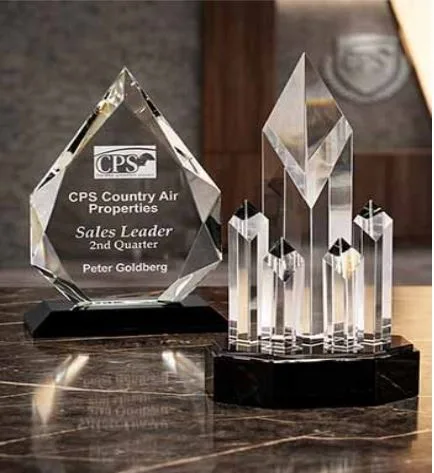
Every season, thousands of coaches, tournament directors, and event planners face the same small but meaningful decision: what will the winners actually take home? It’s easy to treat awards as an afterthought, something to order the week before the closing ceremony. But the right award does more than mark a win. It becomes the physical memory of a season, a game, or a milestone long after the scoreboard is forgotten. Whether you’re outfitting a youth soccer league or planning a corporate recognition dinner, a well-chosen selection of trophies can set the tone for how an entire event is remembered.
Start With the Occasion, Not the Catalog
It’s tempting to browse an awards catalog first and figure out the details later, but the more effective approach works in reverse. A pinewood derby and a corporate sales award are both “competitions,” yet they call for completely different pieces. Youth sports tend to favor traditional cup trophies or medals that kids can wear and show off immediately. Corporate recognition, by contrast, usually calls for something with more permanence and polish, like an engraved plaque or a crystal award that will sit on a desk or shelf for years. Matching the award to the occasion isn’t just aesthetic preference; it affects how meaningful the recognition feels to the person receiving it.
Consider Who Is Actually Receiving It
A seven-year-old’s first soccer medal and a regional manager’s twenty-year service award are both forms of recognition, but they carry different emotional weight. For younger recipients, durability and immediate visual appeal tend to matter more than material cost. A bright, substantial medal on a ribbon often lands better than a subtle, understated design. For adult recipients, especially in professional settings, understated craftsmanship usually wins. A tastefully engraved wood or acrylic plaque photographs well, ages well, and doesn’t feel like a participation prize. Thinking through the recipient’s perspective, rather than just the event category, tends to produce better choices than working from a generic list of “appropriate” awards.
Don’t Underestimate Engraving
The engraving is often what separates a forgettable award from one that gets kept for decades. A name, date, and event title turn a generic object into a specific memory. For team awards, including the season and league name (rather than just “Champions”) makes the piece far more identifiable years later when it’s found in a box in the garage. For individual honors, spelling out full names rather than initials, and including a short phrase specific to the achievement, adds a layer of personalization that a recipient notices immediately. Most awards suppliers include a reasonable amount of engraving at no extra cost, so there’s rarely a good reason to leave this space blank or generic.
Plan Around Lead Time, Not Just Budget
Budget gets most of the attention in awards planning, but timeline is just as often the deciding factor. Large orders, custom shapes, and specialty finishes typically need more production time than a standard cup trophy or stock medal. Tournament organizers who wait until the week of the event frequently end up paying rush shipping fees that dwarf any savings from bulk pricing. A simple rule of thumb: for anything with custom artwork, more than fifty pieces, or a nonstandard design, start the order at least three to four weeks out. For standard stock items with straightforward engraving, a week or two is usually sufficient, though it never hurts to build in a buffer.
Buy for the Full Program, Not Just First Place
One of the more common planning mistakes is focusing entirely on the top award and treating everything else as an afterthought. Participation medals, division awards, and coach or volunteer recognition pieces often get ordered last, in a rush, with far less thought than the championship trophy received. Yet for most events, especially youth sports and school programs, these secondary awards reach a much larger share of attendees. Planning the full award program at once, rather than piecing it together as an afterthought, usually results in a more cohesive look and a smoother ordering process overall.
Awards are a small line item in the overall cost of running an event, but they carry an outsized share of what people remember about it. A little extra thought given to the occasion, the recipient, the engraving, and the timeline tends to pay off well beyond the ceremony itself.