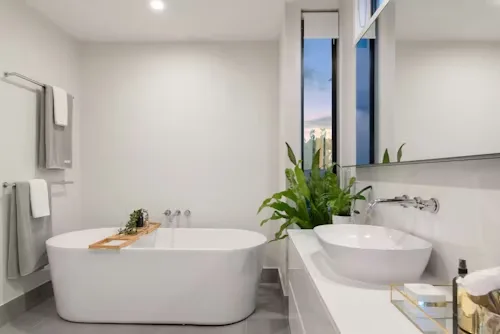
How to Choose the Right Bathroom Accessories Set for Modern Homes
Bathrooms are no longer viewed as purely functional spaces. In modern homes, they are designed to balance comfort, hygiene, and visual appeal. One of the simplest ways to improve both usability and appearance is by carefully selecting a suitable bathroom accessories set. From towel holders to soap dispensers, these small elements play a big role in everyday convenience.
Choosing the right accessories, however, requires more thought than simply matching colors. Factors such as material quality, layout, durability, and maintenance all influence how well the accessories perform over time.
Understanding What a Bathroom Accessories Set Includes
A standard bathroom accessories set usually consists of essential items like towel rods, robe hooks, toilet paper holders, soap dishes, and sometimes shelves or mirrors. The exact combination may vary depending on household needs and bathroom size.
For compact bathrooms, minimal sets help avoid clutter while still providing necessary functionality. Larger bathrooms may benefit from extended sets that include storage and decorative elements. Understanding what items are truly needed helps prevent unnecessary purchases and ensures better space management.
Importance of Material and Durability
Bathrooms are high-moisture environments, so material choice is critical. Accessories made from stainless steel, brass, or high-quality plastic tend to resist rust, corrosion, and discoloration. Inferior materials may look appealing initially but often degrade quickly due to humidity and frequent use.
Durability also affects long-term cost. Investing in accessories that can withstand daily wear reduces the need for frequent replacements. Many homeowners consult reliable suppliers, such as the super asia sanitary store, to explore options known for consistent quality and practical designs.
Matching Accessories with Bathroom Design
Modern bathrooms often follow themes such as minimalist, contemporary, or classic. Accessories should complement the overall design rather than stand out awkwardly. For example, matte finishes suit modern interiors, while chrome or polished finishes work well in traditional layouts.
Color coordination is equally important. Neutral tones generally offer flexibility and timeless appeal, while bold colors may require more frequent updates as trends change. The goal is to maintain visual harmony without overwhelming the space.
Functionality and Ease of Use
While aesthetics matter, functionality should never be overlooked. Accessories must be easy to install, comfortable to use, and positioned logically. Poor placement can make everyday tasks inconvenient and reduce overall efficiency.
Wall-mounted accessories are especially useful in smaller bathrooms, as they free up counter space and improve cleanliness. Before installation, it is helpful to consider user habits and traffic flow within the bathroom.
Installation Methods and Wall Compatibility
Before selecting bathroom accessories, it is important to understand how they will be installed. Some accessories require drilling, while others use adhesive mounting systems. Drilled installations generally offer better stability, especially for heavier items like towel bars or shelves. However, they may not be suitable for rented properties or tiled walls without proper tools.
Adhesive-mounted accessories are easier to install and remove, but their load-bearing capacity is limited. Knowing the type of wall surface—tiles, concrete, drywall, or marble—helps in choosing accessories that will remain secure over time.
Space Optimization for Small Bathrooms
In compact bathrooms, every inch of space matters. Accessories that combine multiple functions, such as towel racks with shelves or corner-mounted units, help maximize available space. Vertical storage solutions are particularly effective for keeping essentials organized without crowding the area.
Using a well-planned bathroom accessories set can reduce clutter and improve movement within the bathroom. Proper spacing between fixtures also contributes to a cleaner and more open feel.
Safety and Accessibility Considerations
Safety is an often-overlooked aspect of bathroom design. Accessories should be installed at appropriate heights and distances to minimize strain and prevent accidents. Rounded edges and smooth finishes reduce the risk of injury, especially in households with children or elderly members.
For accessibility-focused bathrooms, accessories such as grab bars, non-slip soap holders, and easy-grip towel hooks can significantly improve comfort and independence. Thoughtful selection enhances usability for all age groups.
Environmental and Sustainability Factors
Sustainability has become an important consideration in home design. Many modern bathroom accessories are now manufactured using eco-friendly materials or processes that reduce environmental impact. Choosing durable products also contributes to sustainability by lowering waste and replacement frequency.
Water-resistant and long-lasting accessories reduce maintenance needs and resource consumption over time. Conscious choices support both practical living and environmental responsibility.
Trends vs. Timeless Designs
While it can be tempting to follow the latest design trends, bathroom accessories are often better chosen with longevity in mind. Trend-based designs may look appealing initially but can feel outdated quickly. Timeless styles, such as simple shapes and neutral finishes, remain relevant across changing design preferences.
Balancing modern elements with classic design principles ensures that the bathroom remains functional and visually appealing for years without frequent updates.
Planning for Future Needs
Bathroom requirements can change over time due to family growth, aging, or lifestyle adjustments. Selecting accessories that allow flexibility—such as adjustable shelves or easily replaceable components—can help future-proof the space.
Thinking ahead during the selection process avoids unnecessary renovations later. A carefully chosen bathroom accessories set supports long-term convenience and adaptability.
Maintenance and Cleaning Considerations
Bathroom accessories are exposed to soap residue, water stains, and frequent handling. Choosing designs with smooth surfaces and fewer crevices makes cleaning easier and more effective. Accessories that require minimal maintenance save time and help maintain hygiene standards.
Regular cleaning also preserves appearance and extends lifespan. Selecting accessories that tolerate common cleaning agents is another practical consideration.
Budget Planning and Long-Term Value
Price is often a deciding factor, but it should be evaluated alongside quality and longevity. Cheaper sets may appear economical initially but can lead to higher costs if replacements are needed frequently. A balanced approach focuses on value rather than just upfront cost.
Comparing different brands, materials, and user reviews helps in making informed decisions. A well-chosen bathroom accessories set should provide consistent performance without requiring constant upgrades.
Final Thoughts
Choosing the right bathroom accessories involves a mix of design awareness, practical needs, and long-term planning. By focusing on quality materials, functional layouts, easy maintenance, and sustainability, homeowners can create bathrooms that are both efficient and visually pleasing.
Thoughtful selection ensures that accessories enhance daily routines while blending seamlessly into modern home designs. Even small changes, such as adding a durable bathroom accessories set, can lead to noticeable improvements in comfort, hygiene, and usability over time.