How to Choose the Right Kids E-Scooter for Every Age
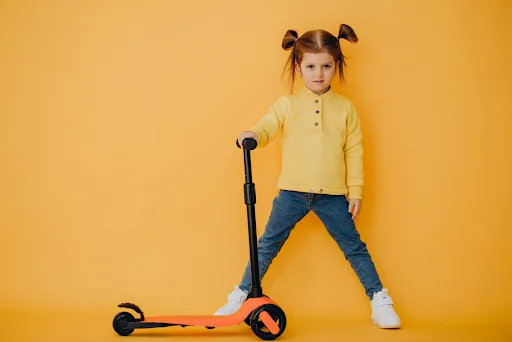
A search for the best electric scooter for kids in Australia can point you toward the wrong model fast.
Speed, range, and colour look useful until you check local road rules and find that half the options are illegal for your child to ride in public.
That changes the buying order. Start with legality, then fit, then safety features, then speed.
That order matters. Paediatric e-scooter injuries in Queensland more than doubled between 2021 and 2024. Monash University research found head, neck, and face injuries made up about one-quarter of Victorian e-scooter emergency presentations.
A scooter that is too fast, too big, or not legal to ride is not just poor value. It raises the risk of a preventable crash.
What Counts As a Kids E-Scooter in Australia?
The age label on the box matters less than the legal category in your state.
A child-sized electric scooter is a stand-on device powered by a battery motor and usually limited by software. Australian jurisdictions place these machines into local categories such as personal mobility devices, or PMDs, eRideables, and motorised scooters.
The main split is public versus private property. Riding on private land is usually far less restricted, while footpaths, shared paths, and roads can have strict age, speed, and weight limits.
Victoria and South Australia require public riders to be 16 or older. Queensland allows 12 to 15-year-olds only with adult supervision and bans under-12s. Western Australia allows under-16s on low-power motorised scooters capped at 200 W and 10 km/h. The ACT requires adult supervision for under-12s. Tasmania and the Northern Territory restrict most consumer models for minors in public, and NSW bans privately owned e-scooters in public places.
Three Big Mistakes Parents Make
Most bad purchases happen when parents shop for fun first and safety later.
Buying by Label Instead of Law
A box that says kids does not mean the scooter is legal on a public path. Check your state’s minimum rider age and the device limits for speed, power, and mass before you buy.
Ignoring Fit and Brakes
A handlebar that sits too high, a short deck, slippery tyres, or weak rear-only braking can turn a simple turn into a fall. Set the bar at mid-chest height and choose brakes and tyres your child can manage in real conditions. Pair the scooter with an approved bicycle helmet, such as one meeting AS/NZS 2063.
Charging It Like a Phone
Lithium-ion batteries need stricter habits than everyday electronics. Do not charge on carpet, leave the scooter plugged in overnight, or block an exit. Use the original or a compatible charger on a hard, non-flammable surface.
What to Check Before You Buy
The safest scooter fits the rider, limits speed by design, and uses parts that support stable braking.
When you compare models, start with age, size, and local rules. Retailer filters can save time, but the final check should always be the spec sheet and your state’s rules. If you want a quick shortlist before you compare brakes, deck size, tyre type, and speed settings in detail, browsing online Kids Electric Scooter options by age and weight can help.
| Age Group | Max Speed | Brakes | Tyres | Notes
|
|---|---|---|---|---|
| 3–5 yrs | 8–10 km/h | Rear foot brake | Solid | Private property only; a kick scooter may be safer |
| 6–8 yrs | 10–12 km/h | Foot + front electronic | Solid or semi-pneumatic | Supervised; deck about 30–36 cm |
| 9–12 yrs | 12–15 km/h | Rear disc + front electronic | Pneumatic | App speed limiters preferred |
| 13–15 yrs | 15–20 km/h | Dual mechanical | Pneumatic 8.5–10″ | Lights required; check legality first |
| 16+ yrs | ≤25 km/h | Dual braking system | Pneumatic with wet grip | Public-legal in most states except NSW |
Sizing first: Set the handlebar at mid-chest height and choose an adjustable stem if possible. Both feet should fit side by side on the deck with a slight knee bend, and the rider should stay under 80 percent of the rated load.
Speed and power: A software speed limiter is safer than asking a child to self-regulate. Keep under-10s at 10 km/h or less, and choose only enough motor power to handle your terrain smoothly.
Battery safety: Buy devices that show the Regulatory Compliance Mark, or RCM. Create one charging spot on a hard surface away from exits, and stop using the scooter if the battery swells, smells odd, runs hot, or shows damage after a crash.
Where to Ride and Stay Legal
Public riding rules depend on your state, not the scooter’s marketing.
Rules change, so check your transport authority before each new school term or holiday trip.
- VIC: 16+, helmet, 20 km/h or less while riding, no footpaths, and lights at night. Device capability must be 25 km/h or less and the scooter must weigh 45 kg or less.
- QLD: 16+, or 12–15 with adult supervision. Under-12s are prohibited. Limits are 12 km/h on footpaths and 25 km/h on bike paths.
- WA: eRideables are 16+ only. Under-16s are limited to low-power motorised scooters capped at 200 W and 10 km/h, with a helmet.
- SA: From 13 July 2025, public riding is legal for 16+ riders with a helmet. Limits are 10 km/h on footpaths and 25 km/h in bike lanes.
- ACT: Under-12s must be supervised. Helmet, bell, and lights are required. Limits are 15 km/h on footpaths and 25 km/h on shared paths.
- TAS: 16+, helmet, 15 km/h on footpaths, 25 km/h on roads, and device weight of 45 kg or less.
- NSW: Privately owned e-scooters are banned in public places.
- NT: Public use is limited to 200 W and 10 km/h, which rules out most consumer models.
How to Train, Check, and Maintain
Short, repeatable practice sessions teach control better than one long ride.
Use a two-week learner plan. Start with helmet fit, standing balance, and brake drills, then move to walking-pace throttle pulses and wide turns. In week two, practise driveway exits, scanning, and smooth stops.
Before every ride, run a 30-second A-B-C-L check. Air means tyres with pressure and tread. Brakes should bite cleanly, controls should return and ring, and lights should be secure and visible.
Once a month, tighten the stem bolts, inspect brake pads, check tyre pressure, clean reflectors, update firmware, and review battery condition. Replace any helmet that has taken a hit.
Make the Law and Safety Work for You
The right scooter is the one your child can ride legally and control with confidence.
If you check the law first, size the scooter to the rider, and set firm charging and helmet rules at home, you remove the biggest risks before the first ride. Speed should be the last feature you chase, not the first.